


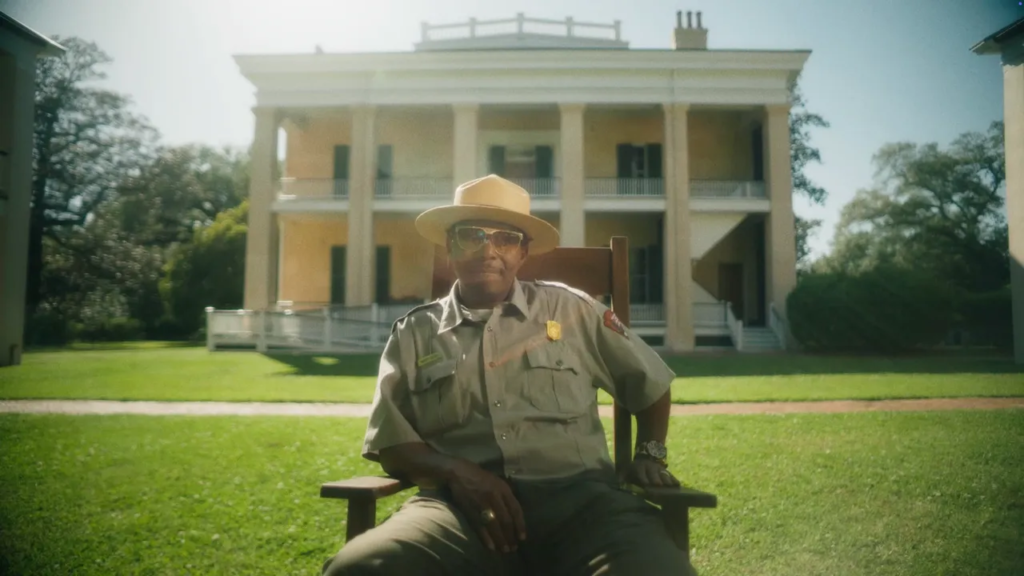
Unveiling Natchez: The Complexity of Antebellum Tourism
Introduction to Natchez

Cloaked in enchanting beauty and historical depth, Natchez, Mississippi is not just a picturesque town; it serves as a fascinating lens through which we can explore the complexities of antebellum tourism. The new documentary Natchez offers a compelling analysis of the town’s tourism industry, which thrives in the shadows of its rich but troubled past. From the elegant antebellum homes to the vibrant river cruises, Natchez has cleverly marketed itself as a living museum reminiscent of Colonial Williamsburg, even as it grapples with its own narrative of slavery and its implications for modern visitors.
Tourism Transformation
Since the 1930s, tourist influx to Natchez surged after the region’s cotton crop was devastated by the boll weevil. This shift transformed the town into a historical landmark for those looking to immerse themselves in antebellum culture. Visitors today enjoy guided tours of historic homes, stroll through lush gardens, and participate in annual pilgrimages organized by local garden clubs. However, beneath the surface lies a complex reality, often glossed over by traditional tourism narratives. The documentary Natchez captures this duality—a perfect blend of historical beauty and deeply buried truths.
Diversity of Perspectives
One striking element highlighted in Natchez is the rich tapestry of voices and experiences that comprise the narrative of slavery. Tracy “Rev” Collins, a local reverend, provides a different perspective through his local tours, focusing on the stories of Black individuals often left out of mainstream tourism. As he notes, younger generations—specifically Millennials and Gen Z—are less enthralled by the romanticized versions of history, such as the one depicted in Gone With the Wind. Instead, they seek authentic experiences that reckon with the realities of the past, spurring a broader dialogue about how history is presented and remembered.
The Artistic Expression of History
The documentary also highlights the artistic interpretations of history prevalent in Natchez. Beautifully shot, Natchez juxtaposes the town’s idyllic scenery with its complex historical context. Shots of individuals in period costumes, such as a corseted woman in tennis shoes, exemplify the surreal blending of past and present. This kind of artistic expression raises questions about authenticity and representation in historical narratives. How do we honor the past without sugarcoating its harsh realities? This remains a central theme as the documentary unfolds.
Community Reflection and Reconciliation
As director Suzannah Herbert notes, Natchez serves as a microcosm of broader national conversations regarding race and history. The town’s grappling with its past reflects an ongoing struggle about who gets to tell American history. The tension between the picturesque allure of antebellum architecture and the darker truths of slavery encourages viewers to reflect on their own perceptions of history. Community engagement, as indicated by local tours and events, becomes crucial for navigating these complex dialogues, inviting both locals and tourists to engage more deeply with the town’s multifaceted identity.
Conclusion: A Call to Action for Tourists
In summary, the documentary Natchez goes beyond surface-level tourism to explore the intricate layers of historical representation and the implications of tourism in a town with a turbulent past. It challenges visitors to confront uncomfortable truths while celebrating the beauty and culture that Natchez has to offer. For those planning a visit, consider seeking experiences that offer diverse perspectives on the town’s history, such as Tracy Collins’ tours. By engaging authentically with Natchez, tourists can help foster a more accurate and inclusive understanding of American history. Explore more about Natchez and its tourism offerings on Natchez.com and consider how your travel choices can contribute to meaningful narratives in the sites you visit.
This article is based on reporting from www.cntraveler.com.
The original version of the story can be found on their website.
Original Source:
www.cntraveler.com
Image Credit: www.cntraveler.com ·
View image