


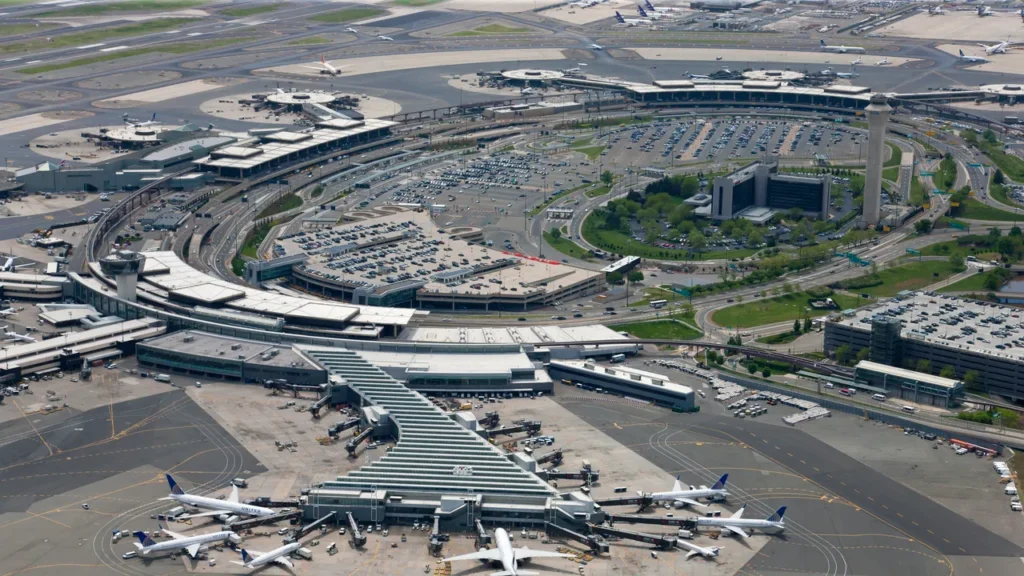
The Rising Stress of Air Travel: An Examination of the World’s Most Stressful Airports
Air travel has seen unprecedented accessibility over the years, but the experience of navigating through airports has simultaneously become more daunting. As passenger numbers continue to soar and airport terminals brim with travelers, delays and congestion have become commonplace. In this climate, expectations for seamless travel have heightened, making stresses and inefficiencies increasingly noticeable. A recent global analysis by iSelect sheds light on what truly contributes to stress during air travel, revealing that operational challenges—rather than isolated instances—are the root of many frustrations. Here, we’ll explore the fundamental causes of airport stress, outlined methodologies for assessing stress levels, and list the 10 most stressful airports in the world for 2026.

The stress experienced at airports can often appear to stem from individual issues—such as a missed flight or long security lines—but according to iSelect’s analysis, these are symptomatic of broader operational inefficiencies. Factors like airport capacity, accessibility, and the ability of airport systems to adapt under pressure are significant contributors to the overall traveler experience. By focusing on these elements, we can better understand where strain is most consistently felt by passengers. For a deeper dive into iSelect’s insights and methodologies, you can visit their airport stress index.
To compile a list of the world’s most stressful airports, iSelect utilized a composite stress score, evaluating various operational criteria that directly impact passenger experience. Airports were analyzed based on several key metrics, encompassing flight delay rates, cancellation rates, security waiting times, annual passenger volumes, and overall airport accessibility—remarkably factoring in transport connectivity and congestion. These metrics were drawn from publicly available data and compiled into a composite score out of 100, where lower scores indicated higher stress levels. This methodology allows for a clear and comparative view of how major international airports perform under pressure.
Among the airports recognized for their high-stress levels, Amsterdam Schiphol Airport in the Netherlands ranks 10th. Recent operational pressures, catalyzed by staffing shortages and capacity constraints, have influenced its performance despite its long-standing reputation for efficiency. As passenger numbers surge, the airport has found it challenging to maintain smooth transit, particularly at security and passport controls. While the challenges are not unique to Schiphol, they are indicative of the pressures faced across many busy terminals worldwide.
Continuing the countdown of stress-inducing airports, we find Los Angeles International Airport (LAX) landing in the 9th position. Known for its extensive traffic, LAX faces significant challenges with flight delays and airport congestion, exacerbated by its sheer size and the volume of international travelers. The airport’s infrastructure struggles to accommodate high passenger flows, leading to increased stress for those attempting to navigate its sprawling concourses. As travel resumes, the need for improved efficiency and better management of passenger traffic at LAX continues to grow.
In 8th place is the often-bustling John F. Kennedy International Airport (JFK) in New York City. Although it serves millions of travelers each year, JFK’s notorious delays and lengthy security waits contribute to its high stress ranking. The airport’s layout can complicate the passenger experience, particularly during peak travel times. New initiatives aimed at improving processing times and enhancing traveler experience are necessary, given the airport’s position as a vital hub for international flights.
At the 7th position, London Heathrow Airport reflects similar stress factors. Known as one of the busiest airports globally, Heathrow is frequently overwhelmed, resulting in long queues at passport control and security. The variability inherent in airport operations, amplified by the ongoing impacts of global events like pandemic recovery, necessitates ongoing adaptations to improve efficiency—all essential for securing a more pleasant travel experience for passengers.
Finally, to provide travelers with a clear and well-informed perspective, it’s crucial to acknowledge that airport stress can be mitigated. Implementing predictive analytics and innovative technology can streamline operations and reduce wait times. Awareness of peak travel hours and plans for timely arrivals can aid passengers in sidestepping stressors and create a more enjoyable travel experience. Understanding the operational challenges that airports face can empower travelers to make informed choices, ultimately enhancing their journeys.
As the aviation industry continues to adjust to increasing passenger demands, addressing operational inefficiencies will be key. Embracing changes can lead to improved experiences not just at these top-stressed airports, but across the globe. As travel becomes more prevalent, maintaining resilience and efficiency within airport operations will remain a focus area—ensuring that air travel retains its appeal without succumbing to undue stress. For more insights on air travel operations, visit resources like Airports Council International for up-to-date information and data.
This article is based on reporting from www.cntraveler.com.
The original version of the story can be found on their website.
Original Source:
www.cntraveler.com
Image Credit: www.cntraveler.com ·
View image