


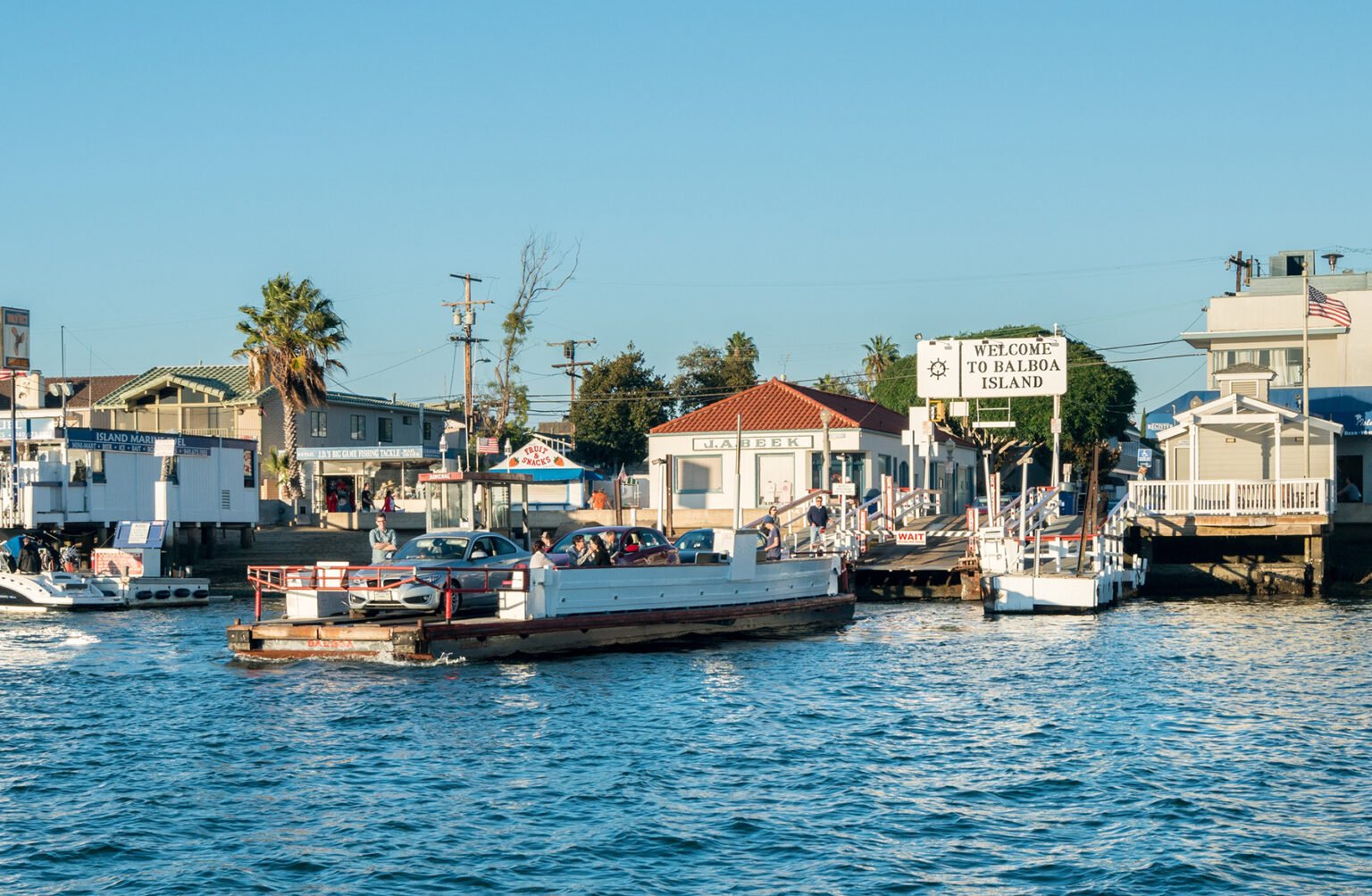
The Historic Balboa Island Ferry: A Transition to Zero-Emission Electric Vessels
The Balboa Island Ferry, a cherished landmark in Newport Beach, California, recently faced potential closure due to stringent state emissions requirements. Established in 1919, the ferry has been a vital link between Balboa Island and the Balboa Fun Zone for over a century. However, the California Air Resources Board (CARB) mandated that all short-run ferries switch to electric engines by December 2025, presenting significant financial challenges for the Beek Family, who have owned the ferry for generations.

In March 2023, this struggle became public as Gary Sherwin, CEO of Visit Newport Beach, highlighted the ferry’s cultural importance. Sherwin declared it an iconic attraction, stating, "The ferry is part of our culture and heritage." As a key contributor to the uniqueness of Newport Beach, the Balboa Island Ferry was more than a mode of transportation; it was intertwined with the community’s identity and tourism.
Fast forward to the present day, and a transformative shift is underway. The Balboa Island Ferry Company, CARB, and the South Coast Air Quality Management District (South Coast AQMD) have executed contracts to electrify the ferry’s entire fleet. This pioneering endeavor marks the first full-fleet ferry electrification project in California. Funded through CARB’s SHIFT program and California Climate Investments, this initiative not only prioritizes sustainability but also addresses local air quality concerns and public health issues.
As part of this ambitious project, all three diesel-powered vessels will be replaced with new battery-electric ferries, equipped with shoreside charging infrastructure to support operations. Seymour Beek, the ferry’s owner/operator, expressed the significance of this transition, stating, "This partnership marks a transformative moment in the Ferry’s 100-plus-year history." The aim is to eliminate tailpipe emissions while enhancing the ferry’s service to both residents and visitors, ensuring its longevity as a community asset.
The SHIFT program, administered by CARB, supports the development of low- and zero-emission technologies for various transport modes. It aligns with CARB’s mission to reduce air pollutants, highlighting the organization’s focus on maintaining public health and ecological resources. The Balboa Island Ferry’s transition is in full compliance with California’s strict climate and air quality goals, fueling advancements toward cleaner transportation solutions.
Operating daily from 6:30 a.m. to midnight, the Balboa Island Ferry plays a crucial role in local transportation, having served millions over its storied history. The shift to zero-emission vessels ensures that this service not only continues but does so in a manner that is sustainable for future generations. With the support of innovative programs like SHIFT, the Balboa Island Ferry is positioned to thrive as a historic yet forward-thinking community asset.
For additional information about the Balboa Island Ferry and its services, visit Balboa Island Ferry’s official website. This iconic ferry, long a symbol of Newport Beach’s charm, is steering toward a cleaner, greener future.
This article is based on reporting from www.newportbeachindy.com.
The original version of the story can be found on their website.
Original Source:
www.newportbeachindy.com
Image Credit: www.newportbeachindy.com ·
View image