


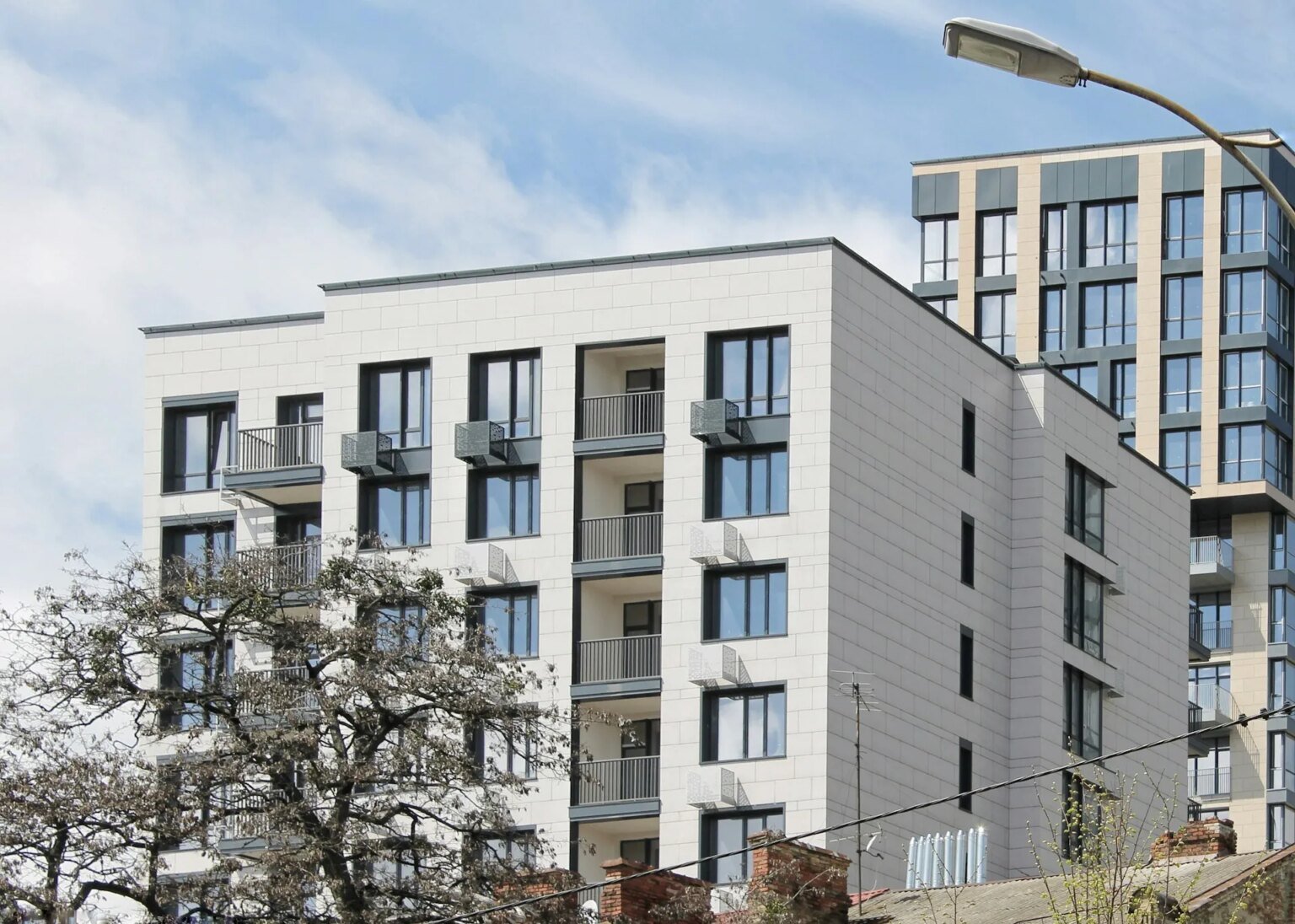
Current Trends in the Real Estate Market: Vacancy Rates, Rent Increases, and Shrinking Deal Sizes
In today’s real estate market, several key trends are shaping the landscape for both investors and tenants. Notably, vacancy rates remain low while rental prices are experiencing mild increases. Additionally, the sizes of deals are shrinking as investors adopt more cautious strategies. This article delves into these trends, analyzing their implications for the real estate sector.

Low Vacancy Rates and Their Impact
One of the most significant trends observed in the real estate market is the persistently low vacancy rates. This phenomenon is primarily driven by strong demand for residential and commercial properties. Many areas are witnessing increasing populations, leading to a higher demand for housing and office spaces. As vacancies remain low, property owners are often in a favorable position, able to maintain control over rent prices.
Interestingly, the low vacancy rates provide a buffer against economic downturns. Properties that are consistently occupied lend stability to landlords and investors alike. However, while low vacancies can be beneficial, they also create challenges for new entrants looking to invest in properties. The competitive nature of the market can drive up acquisition costs, affecting overall investment returns.
Modest Rent Increases
As vacancy rates stay low, rental prices are beginning to rise, albeit modestly. Many landlords are capitalizing on the demand by implementing gradual rent hikes. These price increases are often necessary to keep pace with rising operational costs. However, they remain moderate to ensure that properties remain accessible to tenants, particularly in an uncertain economic climate.
The trend of modest rent increases aligns with wider market indicators that suggest a gradual recovery in rental markets across various regions. Investors are being cautious, opting not to push rent prices too high, as they risk alienating potential tenants. This balanced approach reflects a strategic mindset that prioritizes long-term tenancy over short-term profits.
Shrinking Deal Sizes in Real Estate Transactions
Alongside the trends of low vacancy and modest rent increases, a notable decline in deal sizes is also apparent. Investors are becoming more discerning and conservative in their acquisitions, leading to smaller transaction volumes. This shrinkage in deal sizes may stem from various factors, including increased uncertainty in the broader economic landscape and heightened scrutiny of potential investments.
Smaller deal sizes can be seen as a double-edged sword. On one hand, they allow investors to be more selective, choosing properties that align closely with their investment strategies. On the other hand, this trend indicates a cautious approach that may stifle market growth. As larger deals become less common, the market may risk losing out on opportunities to drive substantial development projects.
Investor Prioritization and Strategy
As the real estate market evolves, investors are prioritizing strategies that align with current trends. The emphasis on low-risk, sustainable investments reflects a broader trend toward cautious optimism. Investors are more inclined to pursue properties with stable cash flow and long-term occupancy potential rather than speculative acquisitions.
This shift in investor mindset indicates a maturation of the real estate market, where long-term planning and risk assessment take precedence over short-term gains. By focusing on properties that demonstrate resilience, investors are ensuring that their portfolios remain robust amidst varying economic conditions.
Future Outlook for the Real Estate Market
Looking forward, the trends of low vacancy, modest rent increases, and shrinking deal sizes are likely to continue shaping the real estate landscape. As demand remains strong, particularly in urban areas, the market may sustain its upward trajectory, albeit at a gradual pace. It’s crucial for investors to stay informed and adaptable in order to seize emerging opportunities.
Market analysts predict that while the economic climate may present challenges, the fundamental dynamics of supply and demand will continue to support the real estate sector. With the possibility of future economic shifts, maintaining flexibility in investment strategies will be key for long-term success.
Conclusion
In conclusion, the real estate market is currently characterized by low vacancy rates, moderate rent increases, and shrinking deal sizes, which reflect broader economic considerations. Investors are focusing on sustainable strategies that prioritize long-term growth over immediate returns. As the market navigates through these trends, staying informed and adaptive will be crucial for both investors and tenants alike. By understanding these dynamics, stakeholders can make informed decisions to thrive in a competitive real estate environment.
This article is based on reporting from theregistrysocal.com.
The original version of the story can be found on their website.
Original Source:
theregistrysocal.com
Image Credit: theregistrysocal.com ·
View image