


Nationwide Protests Targeting ICE Operations in Los Angeles: A Closer Look
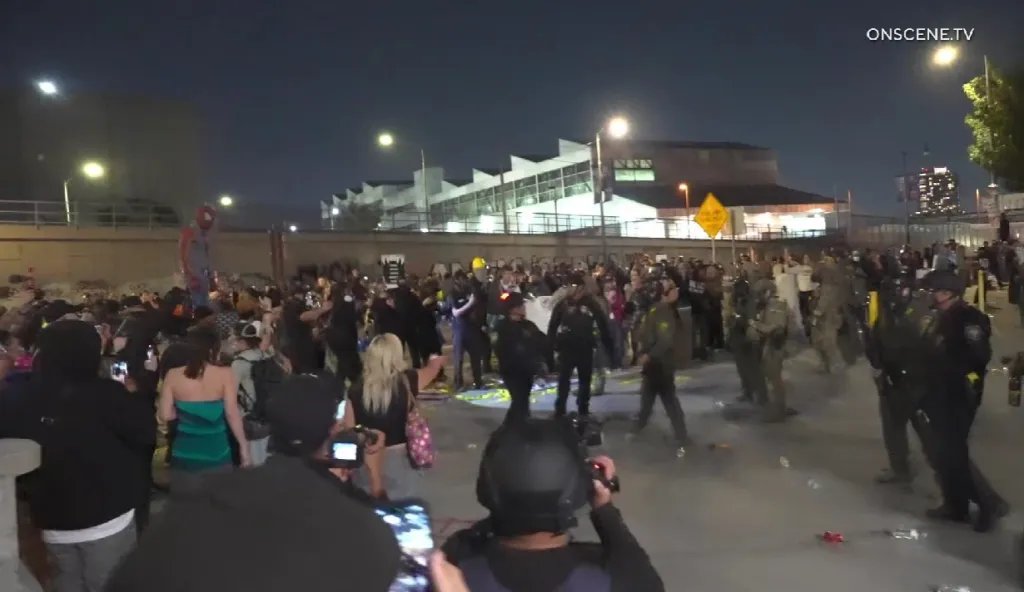
In early February, Los Angeles became the focal point of a nationwide movement aimed at abolishing funding for U.S. Immigration and Customs Enforcement (ICE). Over 50 protesters were arrested during the demonstrations, reflecting heightened tensions and a push for immigration reform. Authorities reported 51 arrests on the second night of protests, which were characterized by both peaceful rallies and escalating violence. This article explores the events leading to these protests, the responses from law enforcement, and the broader implications for the movement.

The Spark of Protest: Rising Tensions in L.A.
The protests in Los Angeles were part of a larger, coordinated effort labeled “National Shutdown,” which emerged in response to recent fatalities involving federal officers. Activist groups, particularly from the University of Minnesota, called for a day of action to spotlight what they consider systemic injustices within federal enforcement agencies. While the early stages of the protests remained peaceful, tensions boiled over when demonstrators clashed with law enforcement. On Friday night, violence erupted near the Metropolitan Detention Center, leading to multiple arrests and damage to property.
Law Enforcement’s Response: A Tactical Alert
In light of the violence that marked the previous night’s events, law enforcement agencies, including the LAPD, implemented a citywide tactical alert on Saturday. Reports indicate that as protesters began to throw objects, including bottles and industrial-sized fireworks, police were forced to respond with arrests for failure to disperse and other charges. LAPD officer Norma Eisenman confirmed that arrests were made under various counts, including assault on police officers and vandalism, indicating the complexities of maintaining public order during these demonstrations.
Government Statements: A Show of Force
As tensions escalated, local and federal government leaders issued statements asserting their commitment to public safety and property protection. First Assistant U.S. Attorney Bill Essayli emphasized that violence against federal properties would not be tolerated, highlighting the deployment of additional federal officers to ensure security. President Donald Trump also weighed in, directing his administration to take a firm stance against any actions perceived as threats to federal properties. His remarks underscored a broader narrative regarding public order and the responsibilities of local governments during such protests.
Voices of Dissent: Protests and Mixed Responses
The demonstrations featured a variety of voices, from enthusiastic supporters of the cause to stern warnings from city officials like Mayor Karen Bass. While many activists voiced their frustrations over immigration enforcement, Mayor Bass stressed the importance of peaceful protest. She warned that violence could inadvertently serve the agenda of those resistant to reform, echoing sentiments shared by various leaders concerned about how disruptions could affect public perception and policy discussions.
The Bigger Picture: Nationwide Implications
The Los Angeles protests are not isolated incidents but rather part of a broader movement for immigration reform across the United States. Activists seek to highlight not only the actions of ICE but also systemic issues within law enforcement that disproportionately affect marginalized communities. With multiple protests echoing similar sentiments in Southern California and beyond, the movement is gaining traction. Public engagement through peaceful demonstrations has led to discussions in various localities about the future role of federal agencies in immigration enforcement.
Conclusion: The Path Forward
As the movement to end funding for ICE gains momentum, the events in Los Angeles represent both the urgency of the activists’ cause and the complexities of public order. While protests can be a powerful tool for change, maintaining peace is crucial to achieving lasting impact. Leaders at all levels must grapple with the implications of these demonstrations as they push for immigration reform and reflect on the balance between public safety and the right to protest. The evolving dialogue surrounding ICE funding could shape policies and community relations for years to come.
This article is based on reporting from www.ocregister.com.
The original version of the story can be found on their website.
Original Source:
www.ocregister.com
Image Credit: www.ocregister.com ·
View image