


Title: How to Safely Manage Bear Encounters in Suburban Areas

In recent days, Altadena, California, has been abuzz with bear-related news after a 500-pound bear was evicted from beneath a home, only for residents nearby to report another bear taking up residence under their property. This unsettling turn of events highlights the ongoing challenges of human-wildlife interactions, particularly in suburban areas that encroach on natural bear habitats. This article explores the various aspects of bear encounters in residential settings and offers effective strategies to manage these encounters safely.
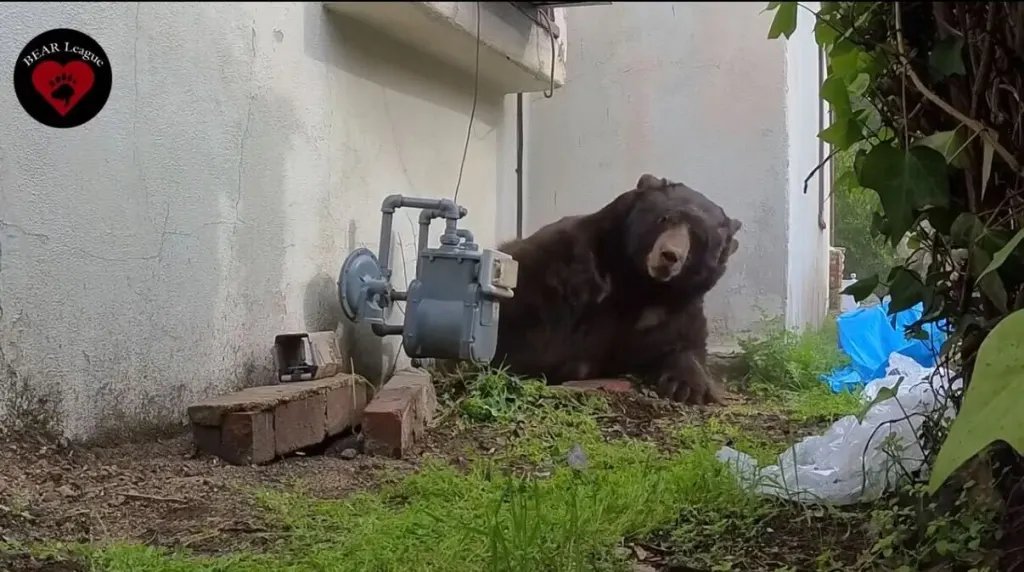
The bear in question had previously made a home under Ken Johnson’s house. Operating through a narrow crawl space, this bear became a source of frustration for Johnson, who even considered legal action against state officials for their slow response. The animal-advocacy group BEAR League intervened and successfully encouraged the bear to vacate the premises by employing a unique technique: a volunteer crawled beneath the home to steer the bear towards the exit. After the bear exited, it was met with paintballs to discourage it from returning. Though this method seemed successful at first, it quickly became clear that bear encounters in suburban regions demand ongoing vigilance.
The persistence of wildlife in urban settings poses not just logistical headaches but also safety concerns. Many residents may underestimate the potential dangers of bears, believing them harmless. However, the sheer size and unpredictable nature of bears can result in dangerous situations. After the bear was removed from Johnson’s home, video footage later recorded showed the bear attempting to return to the area, illustrating its strong attachment to a familiar territory. Such behavior is often rooted in the availability of food and shelter in suburban environments, making it critical for homeowners to fully understand how to prevent these encounters moving forward.
Preventative measures can significantly reduce the likelihood of bear intrusions. Homeowners should secure trash bins, remove food sources from yards, and ensure that crawl spaces or basements are not accessible to wildlife. Additionally, when constructing new homes or renovating existing ones, proper sealing of crawl spaces and other entry points should be prioritized to deter wildlife. In instances where bears have already taken up residence, specialized wildlife removal services, like BEAR League, can offer guidance and assistance to safely evict the animals while prioritizing humane treatment.
Moreover, education plays a pivotal role in managing these encounters. Local communities should collaborate with wildlife agencies to provide resources that inform residents about bear behavior and how to coexist with wildlife safely. Simple awareness initiatives, such as neighborhood signboards or community meetings, can be beneficial in creating a culture of awareness and prevention. By sharing insights on bear movements and the best practices for safeguarding properties, communities can significantly reduce the chances of bear encounters.
In conclusion, the recent events in Altadena serve as a reminder of the delicate balance between human habitation and wildlife. As suburban development continues to encroach on bear habitats, understanding how to coexist with these magnificent creatures becomes increasingly vital. By taking proactive measures, educating communities, and seeking professional assistance when needed, residents can promote a safer and more harmonious environment for both humans and wildlife alike. Through conscientious efforts, we can foster an ecosystem where bears have their rightful space, and homeowners can live without fear of unwanted bear visitors.
This article is based on reporting from www.ocregister.com.
The original version of the story can be found on their website.
Original Source:
www.ocregister.com
Image Credit: www.ocregister.com ·
View image