


The No Secret Police Act: California’s Bold Legislative Move Against Masked Law Enforcement

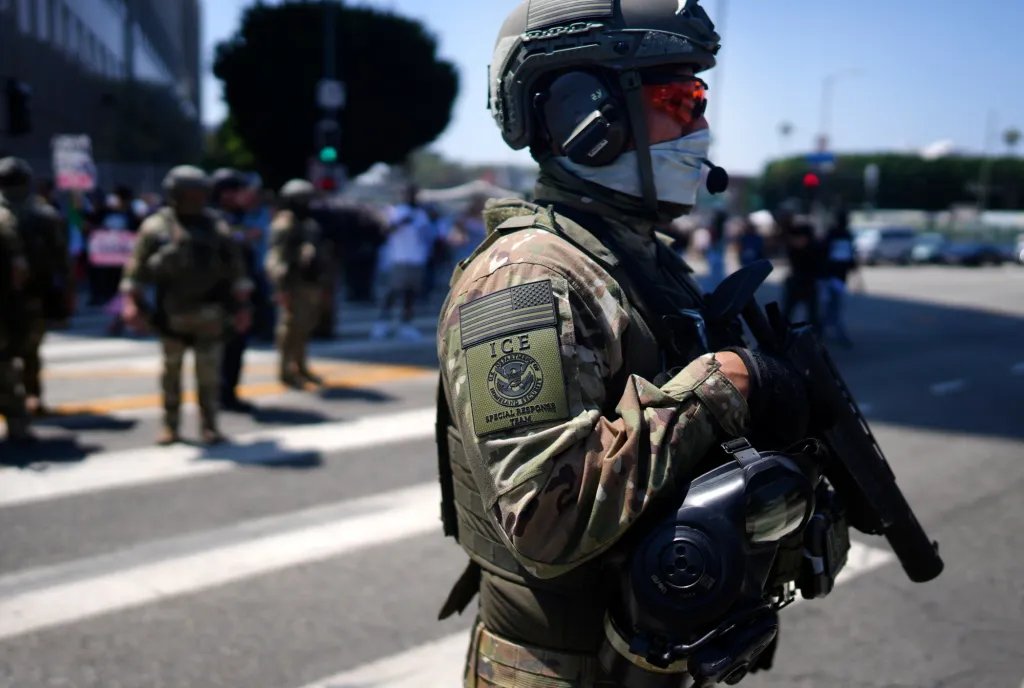
Amid growing concerns over public safety and the accountability of law enforcement, California has enacted Senate Bill 627, commonly referred to as the No Secret Police Act. This legislation aims to prohibit law enforcement officers, including federal immigration agents, from wearing masks while on duty. Although some police chiefs, particularly in Los Angeles, have openly stated that they will not enforce this ban, the law introduces an alternative enforcement mechanism—the court system. This unique approach allows individuals, groups, and even district attorneys to file lawsuits against officers who defy the ban, ensuring that concerns over transparency and accountability are not easily dismissed.
The primary architect behind this legislation, state Senator Scott Wiener from San Francisco, emphasizes the importance of public participation in enforcing the law. He argues that community members can use video and photographic evidence to hold violators accountable, thereby bypassing law enforcement that refuses to act. This legal framework is especially relevant given the increasing visibility of masked federal officers, particularly from the Immigration and Customs Enforcement (ICE) agency, who are perceived as potential threats to community safety. By allowing civil suits with penalties starting at $10,000, the No Secret Police Act is designed to empower citizens and encourage transparency in law enforcement practices.
Reactions from police leadership, particularly Los Angeles Police Chief Jim McDonnell and the Sheriff’s Department, indicate a reluctance to enforce the mask ban. McDonnell has expressed concerns about the complexities that could arise from armed confrontations between government agencies. However, lawmakers like Senator Wiener argue that inaction by local law enforcement should not undermine the law’s objectives. They believe that accountability mechanisms must prevail, especially when local police are hesitant to challenge federal operations that may sow discord in underserved communities.
The act requires law enforcement agencies in California to create and publicly post a mask policy by July 1, thereby increasing transparency and public awareness. The legislative response to the concerns surrounding masked law enforcement agents is timely, especially as communities grapple with the implications of immigration enforcement actions. “Public safety cannot be achieved when masked immigration raids erode trust and destabilize neighborhoods,” said Senator Sasha Renée Pérez, another co-author of the bill. The No Secret Police Act seeks to challenge this status quo by compelling local agencies to uphold standards of accountability.
Despite bipartisan support from some corners, the constitutionality of the law is being contested in court, with the U.S. Department of Justice arguing that federal immigration agents should retain the option to mask for their safety. The DOJ claims that the No Secret Police Act infringes on the Supremacy Clause of the Constitution, arguing that states cannot dictate how federal agents operate. As the legal battles unfold, the implications of the No Secret Police Act will likely resonate beyond California, prompting national discussions on law enforcement transparency and federal-state relations.
In summary, California’s No Secret Police Act signifies a critical step toward greater accountability in law enforcement, especially regarding the practices of masked federal agents in local neighborhoods. The legislation empowers citizens to take action against perceived injustices, thereby fostering a more transparent and trust-based relationship between law enforcement and the communities they serve. As the courts sort through the complexities surrounding the law, California serves as a pivotal example for other states grappling with similar issues of law enforcement identity concealment and community safety.
This article is based on reporting from www.ocregister.com.
The original version of the story can be found on their website.
Original Source:
www.ocregister.com
Image Credit: www.ocregister.com ·
View image