


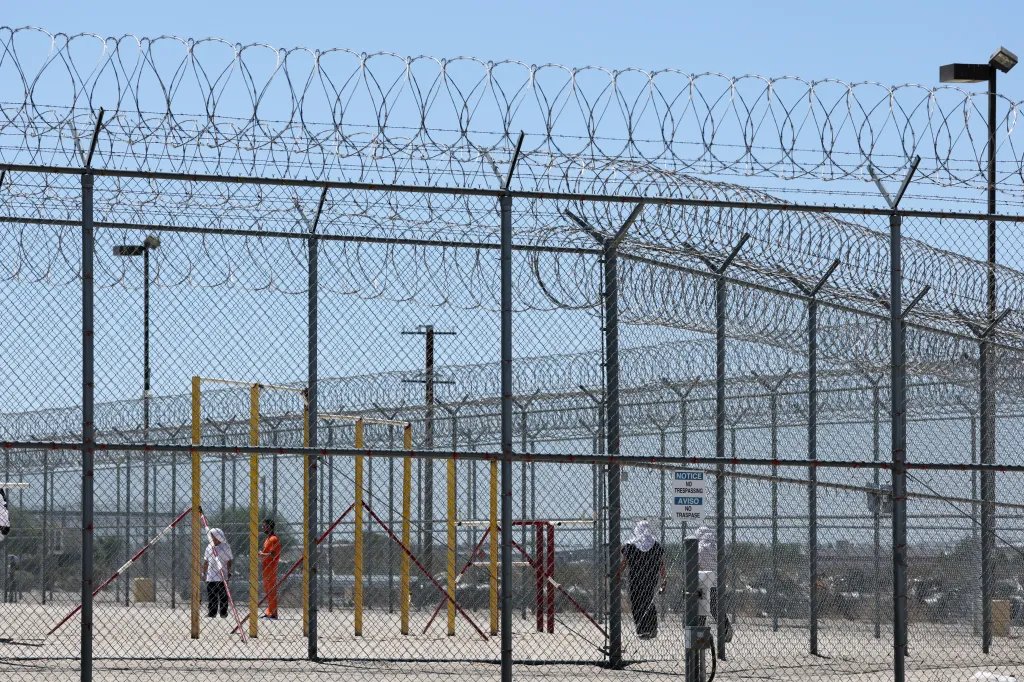
Allegations of Abuse at Adelanto ICE Processing Center: A Call for Justice
The Adelanto Immigration Detention Center in California has come under intense scrutiny following a class-action lawsuit filed against federal officials on Monday. The lawsuit highlights allegations of neglect, inhumane living conditions, and violations of the constitutional rights of detainees. Central to the complaint are claims that individuals detained at Adelanto are subjected to moldy towels, inadequate medical attention, insufficient food, and unclean drinking water. The plaintiffs assert that these conditions deny basic human needs and amount to punishment, violating the due process rights protected by the Constitution.

The lawsuit paints a concerning picture of systemic abuse within the Adelanto facility, suggesting that these practices are part of a broader strategy by the government to “harass, intimidate, punish, and deport immigrants.” This reflects a troubling trend in the treatment of detainees, raising questions about the standards of care provided within U.S. immigration detention centers. Notably, the deaths of Ismael Ayala-Uribe and Gabriel Garcia-Aviles, both of whom died while in ICE custody, underline the urgent need for reform in medical care protocols. Ayala-Uribe’s family has alleged that he was denied proper medical assistance, drawing attention to the consequences of neglect within these facilities.
Since early 2025, the detained population at Adelanto has surged significantly, rising from only a handful to nearly 2,000 individuals in just one year. This sudden increase poses serious concerns about the facility’s ability to provide adequate care and supervision. A longtime employee reiterated that the strain on resources is dangerous, citing a lack of experienced staff and insufficient manpower. The lawsuit asserts that these conditions have led to a dangerous environment for detainees, compounding existing issues of inadequate care and oversight.
For years, the center has been plagued with allegations of abuse and documented cases of neglect, particularly concerning vulnerable populations, including individuals with disabilities. Oversight investigations, such as those conducted by Disability Rights California last summer, revealed troubling accounts of neglect. One man reported receiving his diabetes medication only twice in a span of ten days, a serious lapse that endangered his health and safety. Such accounts raise alarming questions about the standard of medical care provided to detainees and the systemic failures that allow these issues to persist.
The plaintiffs in the class-action suit include four detainees who speak on behalf of others suffering under similar conditions in Adelanto. Representing these individuals is the Coalition for Humane Immigrant Rights (CHIRLA), a nonprofit organization based in Los Angeles. The suit targets several federal agencies and individuals, including U.S. Immigration and Customs Enforcement (ICE), the Department of Homeland Security (DHS), and their respective leadership. The attorneys representing the plaintiffs aim for significant changes, including improved medical care standards, guaranteed adequate nutrition and sanitary conditions, an end to the excessive use of solitary confinement, and enhanced transparency in detention operations.
The impact of this lawsuit could be far-reaching, potentially laying the groundwork for future reforms in immigration detention facilities across the country. By addressing the critical issues raised, advocates hope to ensure the protection of human rights for all individuals detained within these systems. The responses from ICE and DHS remain pending, and as the legal process unfolds, the attention drawn to the conditions at Adelanto serves as a poignant reminder of the ongoing challenges faced by immigrants in detention. The fight for humane treatment and justice for these individuals is far from over, echoing a broader call for systemic change in the immigration system.
This article is based on reporting from www.ocregister.com.
The original version of the story can be found on their website.
Original Source:
www.ocregister.com
Image Credit: www.ocregister.com ·
View image