


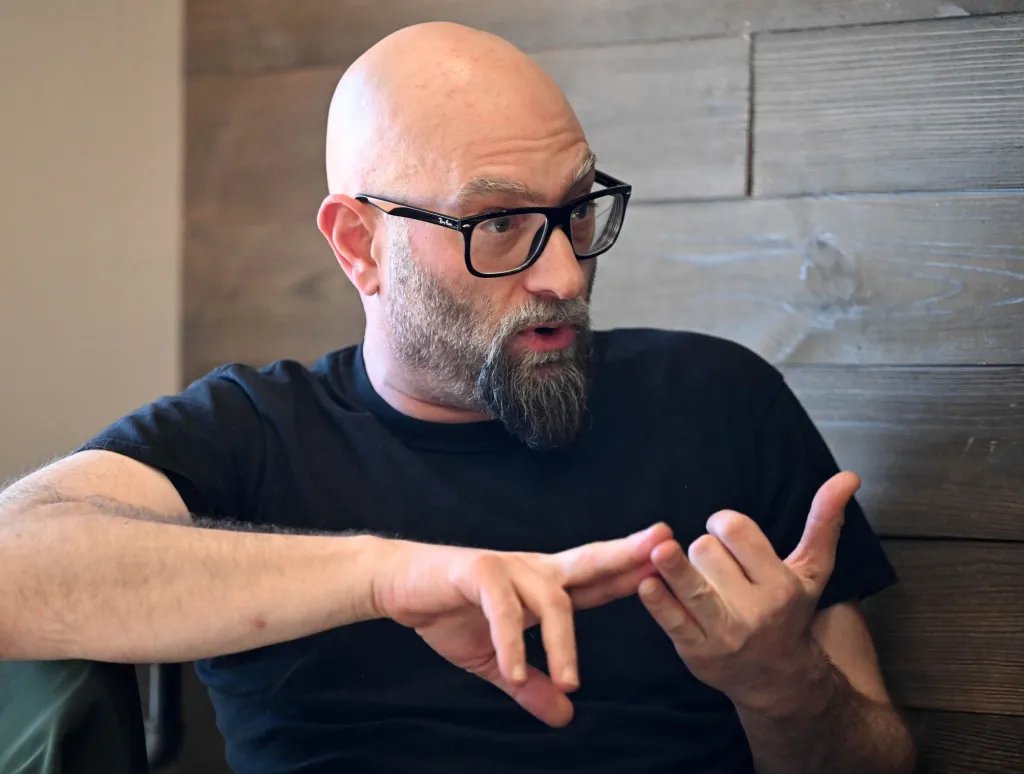
Title: Vem Miller’s Arrest at Coachella Trump Rally: A Detailed Overview
In the politically charged atmosphere of the 2024 election cycle, the arrest of Vem Miller at a Donald Trump rally in Coachella has captured significant media attention. The incident escalated when Riverside County sheriff’s deputies discovered two firearms in Miller’s truck, leading to a charge of carrying a loaded firearm in public. Despite pleading not guilty, Miller has the opportunity to have this misdemeanor charge dismissed under a judge’s diversion program, contingent upon fulfilling specific court-mandated conditions.

On January 29, Judge James Hodgkins mandated that Miller complete an eight-hour gun safety class, an online life skills course lasting four hours, and perform 40 hours of community service. This directive serves not only as a rehabilitative approach but also emphasizes public safety in light of ongoing firearm-related controversies. The final hearing for the dismissal of Miller’s charge is set for July 30, allowing the legal system to monitor compliance with the court’s requirements.
Miller’s account presents an interesting narrative wherein he argues that there was no intent to raise any alarms. “There was never any controversy in this situation,” he declared, expressing a desire for the charge to be eliminated entirely. The context of his firearm possession — ostensibly for personal protection — adds complexity to the story. Having received death threats, Miller highlights a perceived disparity between state and local gun laws as a contributing factor to his predicament. His previous experiences, including being a caucus captain in Nevada supporting Trump, further frame his political engagement amid rising tensions surrounding public safety during political events.
As Miller approached the rally location, he disclosed the presence of a loaded handgun and a shotgun to deputies during a checkpoint encounter. This revelation, compounded by his multiple passports and the car’s unregistered status, raised suspicions that he may have had malicious intentions, especially in light of recent violent incidents targeting public figures. Riverside County Sheriff Chad Bianco publicly suggested that deputies may have thwarted a potential assassination attempt, a statement that Miller vehemently denies, emphasizing that he never threatened Trump.
The legal ramifications extended beyond the initial arrest, as Miller subsequently filed a federal lawsuit against Sheriff Bianco and the county, alleging violations of his First and Fourth Amendment rights. Miller contends that his freedom of assembly and protection from unreasonable search and seizure were infringed upon. Furthermore, he accuses Bianco of libel and slander, referencing a text the Sheriff sent to media outlets that purportedly misrepresented Miller’s actions. This legal battle not only underscores the challenges faced by individuals navigating the intersection of gun rights and political expression but also raises pertinent questions about the accountability of public officials.
Despite the complexities of his situation, Miller remains steadfast in his criticisms, particularly regarding his perception of Sheriff Bianco. His attorney, Ethan Bearman, is actively pursuing an appeal following the dismissal of parts of the federal lawsuit, leaving room for potential developments regarding the allegations of defamation. Moreover, aspects of the case concerning libel have been refiled in Riverside County court, reflecting Miller’s determination to seek justice and clarity on the matters surrounding his arrest.
In the broader context, Miller’s incident serves as a microcosm of the heightened sensitivities around political gatherings and the manifestation of dissent in contemporary America. His work in the media arena, particularly through the America Happens Network, touches on a variety of contentious topics, including government accountability and public safety narratives. As an active voter in California, he has made it clear that Sheriff Bianco will not receive his support in the upcoming gubernatorial primary, signaling his commitment to influencing political change in response to his experiences.
In conclusion, Vem Miller’s situation illustrates the complexities that arise when individual rights intersect with the duties of law enforcement amid volatile political climates. The resolution of his case not only has implications for Miller personally but also opens broader discussions about gun rights, public safety, and the accountability of public officials in America. As his July hearing approaches, it will be fascinating to see how this case develops and what it might signify for the future of political assembly and personal freedoms in the country.
This article is based on reporting from www.ocregister.com.
The original version of the story can be found on their website.
Original Source:
www.ocregister.com
Image Credit: www.ocregister.com ·
View image