


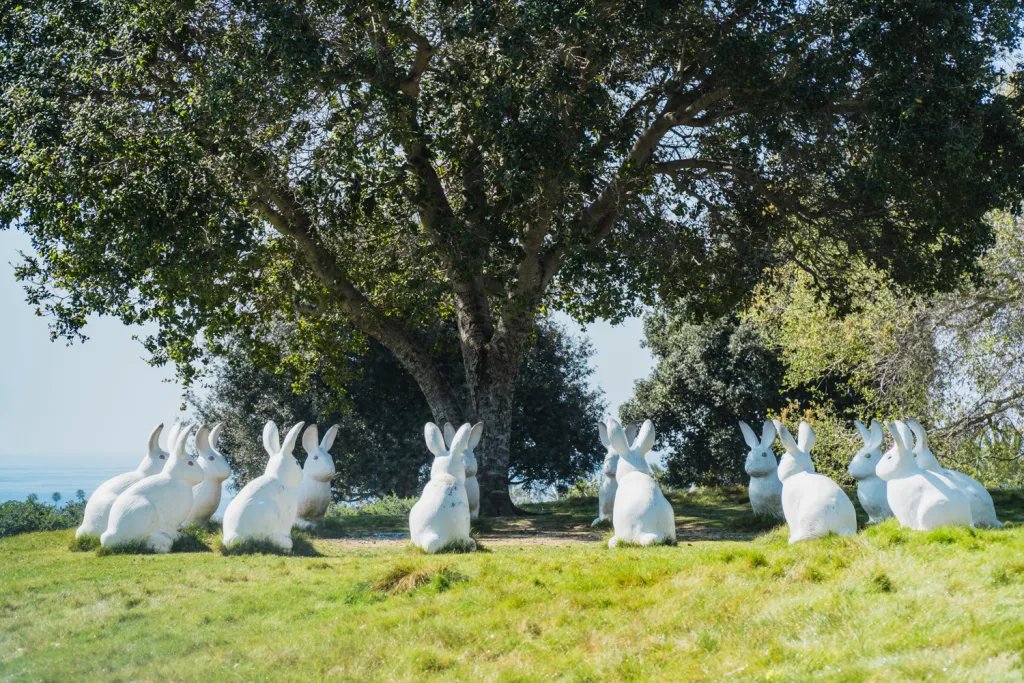
Preserving Orange County’s Sculpture Garden: Community Voices Against Demolition

In recent discussions about the future of a cherished sculpture garden in Orange County, stark opposition has emerged from local residents towards a proposed development plan. City leaders, however, seem intent on pursuing options that would potentially compromise the integrity of this artistic landmark. As the debate unfolds, the community remains vocal, urging the city to reconsider the implications of such changes.
The sculpture garden, known for its vibrant display of public art, has become a cultural touchstone for the area. For many, it represents not just artistic value but also a communal space where residents can gather, reflect, and engage with the creative expressions of their community. Critics of the demolition argue that removing part of this garden would diminish its role as a cultural icon and disrupt the communal spirit that it fosters. The outcry signals a greater concern among residents about preserving local treasures in the face of development pressures.
City leaders have expressed a willingness to explore alternatives, emphasizing a desire to consider the future of the sculpture garden thoughtfully. However, the community remains skeptical of these intentions. Many locals fear that the proposed changes could lead to a slippery slope of further modifications, ultimately eroding the unique character of the area. Their concerns reflect a broader sentiment in Orange County, where the preservation of art spaces often comes into conflict with developmental ambitions.
Public forums and meetings have increasingly become platforms for residents to voice their opinions. Many have shared personal stories about how the sculpture garden has impacted their lives, contributing to a sense of belonging and cultural identity. This grassroots mobilization illustrates the power of community advocacy in influencing local policy decisions. It underscores the importance of having open dialogues between city officials and residents, ensuring that the voices of those who cherish these spaces are heard and considered.
Ultimately, the future of the sculpture garden remains uncertain. As city leaders work on evaluating their options, community members continue to rally for its preservation. They advocate for solutions that would respect the existing structure while allowing for thoughtful enhancements that do not compromise the garden’s essence. This situation serves as a reminder of the vital role that public art plays in shaping community and culture, prompting a necessary reconsideration of how development can coexist with preservation.
In these challenging times, it is crucial for the community to stay engaged and informed. Maintaining open lines of communication with city officials and actively participating in decision-making processes can help ensure that the values of the community are upheld. By fostering a collaborative approach, residents can play an influential role in shaping the future of the sculpture garden and securing a legacy that honors its artistic significance. The ongoing discussions around this landmark emphasize the importance of community involvement in safeguarding cultural assets against the tide of development.
This article is based on reporting from voiceofoc.org.
The original version of the story can be found on their website.
Original Source:
voiceofoc.org
Image Credit: voiceofoc.org ·
View image