


The California Wildfires of January 2025: A Tragedy Unfolds
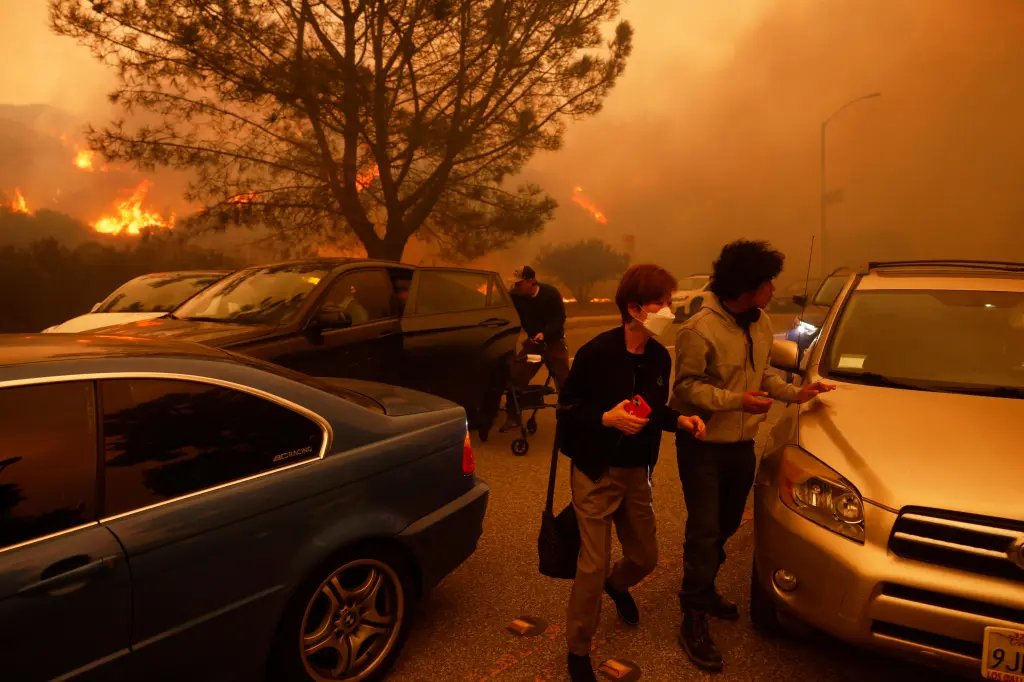
The devastating wildfires in California in January 2025 served as a harsh reminder of the region’s vulnerability to natural disasters. Beginning on January 7, an uncommon windstorm swept through Southern California, exacerbating already dry conditions and creating an ideal setting for wildfires. At the heart of this calamity were two catastrophic fires: the Pacific Palisades fire and the Eaton fire, which would go down in history as two of the most destructive in California’s storied past.

A Hidden Threat Ignites
Just hours into the new year, a small fire believed to have been extinguished flared back to life near the Skull Rock trail, catching many off-guard. Named after the affected community, the Pacific Palisades fire quickly escalated, fueled by ferocious winds that transformed a minor incident into a raging inferno. Government reports later revealed that a 29-year-old man was arrested after nine months of investigation into whether he intentionally ignited a precursor fire, the Lachman fire, which sparked chaos in Pacific Palisades and Malibu. Residents were not only confronted with smoke and flames but also the emotional turmoil of knowing their homes and lives were in peril.
Escalation and Evacuations
As the windstorm intensified throughout January 7, a second fire ignited in Altadena, later identified as the Eaton fire. Eyewitness accounts and video footage linked the reactivation of an inactive Southern California Edison line to the fire’s ignition. By that evening, tens of thousands of residents were frantically evacuating their homes under life-threatening conditions. Thick smoke filled the air, and debris rained down as the flames consumed everything in their path. Within a short span, 31 lives were tragically lost, nearly 17,000 structures were destroyed, and nearly 40,000 acres lay charred.
Firefighting Challenges
Fire crews were left scrambling to combat the wildfires as the conditions proved to be disastrous. Major deficiencies included a lack of pre-positioned firefighting crews, limited water supply, and failures in emergency alert systems, all contributing to the chaos on the ground. Jennifer Magallon, a Pacific Palisades resident who lost her home, encapsulated the sentiments of many, stating that they were “caught off guard.” Equally alarming was the failure of critical firefighting resources that were not adequately equipped to face the enormity of the crisis.
Political Fallout
The aftermath of the fires saw a political storm brewing as Los Angeles Mayor Karen Bass blamed former Fire Chief Kristin Crowley for the missteps in preparation and response. Crowley countered, attributing the failures to budget cuts and limited resources, intensifying tensions between city officials. The disagreements only compounded the stress and frustration experienced by residents already grappling with the devastation of their homes and communities.
A Systemic Breakdown
Amid the chaos, critical issues persisted, such as water shortages and the inadequacy of the county’s alert system in notifying residents. Many homeowners reported not receiving timely evacuation alerts, resulting in people being caught unaware and unprepared for the fires that raged on. Doyen and many others eventually learned of the damage to their homes only after returning to their neighborhoods, only to find them reduced to ashes.
Lessons for the Future
As investigations into the wildfires continue, this tragic chapter in California’s history compels both government agencies and residents to reflect on their preparedness for future events. Solutions may involve increasing emergency resources, improving communication systems, and enhancing firefighting capabilities to better manage uncontrollable variables like extreme weather. The wildfires of January 2025 highlight the indisputable truth: California must prioritize fire prevention and response strategies to protect its residents and landscapes in the face of an uncertain climate future.
In conclusion, the California wildfires of January 2025 illustrate not only the immediate implications of natural disasters but also the long-term repercussions that affect community resilience and recovery. Through collaboration, innovation, and prioritization of resources, California can work toward preventing such tragedies from unfolding in the future.
This article is based on reporting from www.ocregister.com.
The original version of the story can be found on their website.
Original Source:
www.ocregister.com
Image Credit: www.ocregister.com ·
View image