


Navigating California’s Express Lanes: What You Need to Know
If you’ve ever experienced the frustration of sudden traffic slowdowns while traveling on California’s freeways, you’re not alone. In a recent incident, a driver on the 405 Freeway encountered a significant traffic delay due to emergency-response vehicles. As vehicles were diverted into the FasTrak Express Lanes, this caused worry about whether the diversion was sanctioned and if fines would be forthcoming for not following traffic regulations. This article explores the nuances of California’s Express Lanes, clarifying essential information for drivers navigating these roadways.

Understanding Emergency Diversions
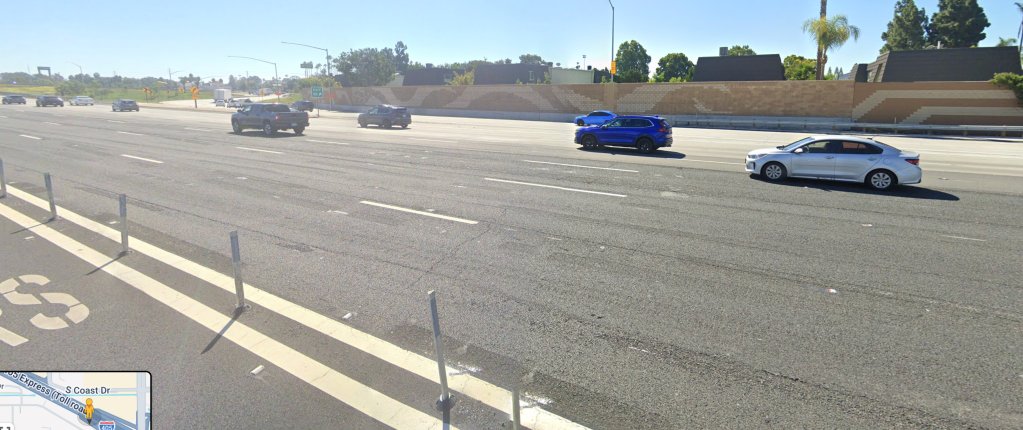
When accidents or emergencies occur on California highways, traffic may be directed to use Express Lanes to ease congestion. Officers from the California Highway Patrol (CHP) often play a crucial role in these diversions. For instance, if an incident necessitates the use of the Express Lanes, drivers must look for officers signaling the diversion; otherwise, they could face penalties for illegally crossing double solid white lines into these lanes. According to CHP spokesman Officer Fernando Perez, it’s vital for drivers to confirm the presence of law enforcement indicating that a diversion is in effect.
Know Your Rights as a Driver
If you find yourself in a situation where you’re unwittingly using the Express Lanes during an emergency diversion, rest assured that not all hope is lost. Communication between the CHP, fire departments, and the Orange County Transportation Authority (OCTA) is essential. The OCTA relies on these notifications to determine when to waive tolls for authorized vehicles. If a significant diversion requires extended use of the Express Lanes, OCTA will indicate on electronic billboards that drivers can use the lanes for free for the time being.
Potential Penalties and How to Handle Them
Contrary to what some may fear, not every driver will automatically face consequences for entering the Express Lanes without authorization. License plate readers are in place to monitor usage, which means that if you do not have a transponder associated with a toll account, you may receive a $25 fine. However, according to OCTA spokesman Joel Zlotnik, there is an opportunity for a first-time waiver. If a violation notice arrives, drivers can call a specific number to request a waiver, although it’s important to note that while the fine may be dismissed, the toll must still be paid.
The End of an Era: License Plate Changes
Another topic of interest for Californians is the change in license plate series. As the Department of Motor Vehicles (DMV) prepares to retire the current license plate series (9ZZZ999), many are curious about the transition. Although there won’t be any public celebration for the last plate issued in the current series, it’s worth noting that the new "reverse" series will begin with the combination 000AAA1. Expect to see these plates on the roads soon, marking a significant shift since the current sequence has been in-use since 1980.
Historical Context: Long-Lasting License Plates
The current license plate series has nearly 100 million possible combinations and has fulfilled the needs of Californians for over four decades. According to DMV spokesman Ronald Ongtoaboc, the new series is expected to remain in use for 40 years based on historical data. This longevity reflects changes and adaptations to meet California’s ever-growing population and vehicle registration demands.
Conclusion: Stay Informed and Prepared
Navigating California’s complex freeway system requires a sound understanding of traffic regulations, especially when it involves Express Lanes. As the state prepares for changes in both highway traffic management and license plate issuance, staying informed is vital. Drivers should always be vigilant, particularly during emergencies, and understand their rights and responsibilities when it comes to using Express Lanes. Remember, if you find yourself in a situation where you suspect you’re on the wrong side of a toll, there may still be a chance for a reprieve. Stay safe and drive smart!
This article is based on reporting from www.ocregister.com.
The original version of the story can be found on their website.
Original Source:
www.ocregister.com
Image Credit: www.ocregister.com ·
View image