


Riverside Police Department Officers Face Termination Over Veteran License Plate Controversy
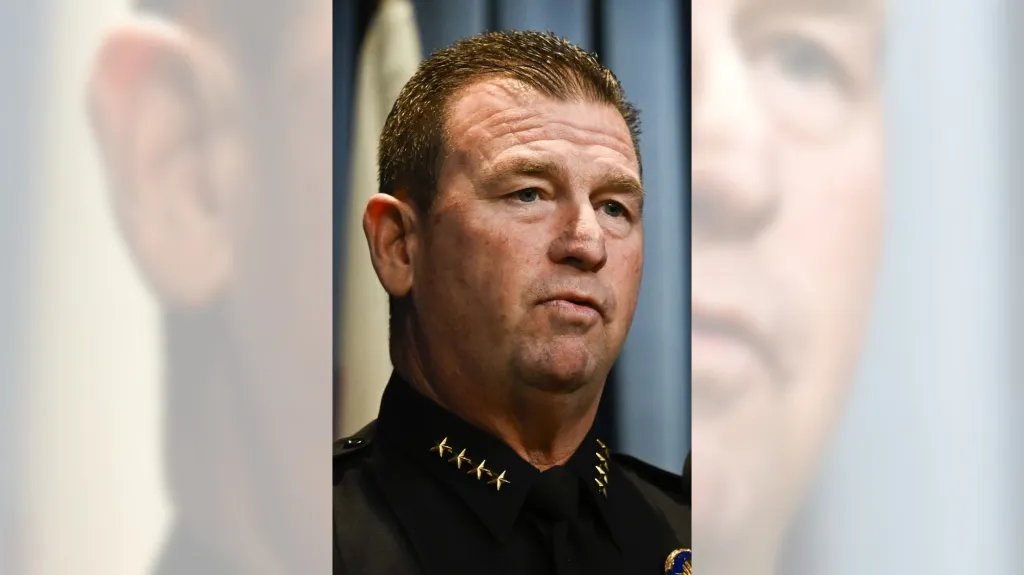
In a significant decision by the Riverside Police Department, Police Chief Larry Gonzalez announced plans to terminate three patrol officers involved in a controversy surrounding disabled military veteran license plates. This development, revealed on February 27, 2025, has generated considerable public interest and concern. The officers—Timothy Popplewell, Raymond Olivares, and Richard Cranford—were rated 100% disabled by the Veterans Administration (VA) and were legally entitled to DMV-issued license plates. Following their suspension in May 2025, these officers have launched a lawsuit claiming discrimination based on their status as disabled veterans.

Legal Proceedings and Accusations
The lawsuit, filed in July 2025, arises in light of allegations from the Riverside Police Department that the officers made false claims regarding their disabilities to obtain license plates that offer essential parking privileges and reduced fees. The officers maintain that they are being unjustly accused, asserting their rights as certified members of the disabled veterans community. Their recent suspension and potential termination raise critical questions about workplace discrimination and the treatment of veterans in law enforcement. Meanwhile, the Riverside City Council recently rejected a proposed settlement concerning the lawsuit, suggesting that this controversy is far from resolved.
Employment and Duty Backgrounds of the Officers
All three officers were honorably discharged military veterans who joined the Riverside Police Department in 2019. Popplewell served from 2008 to 2011, while Olivares and Cranford’s service records span from 2013 to 2019 and 2010 to 2014, respectively. Notably, both Popplewell and Cranford served in specialized units like SWAT. Such robust policing experience highlights the officers’ dedication to public service, throwing into stark relief the allegations of misconduct that have been levied against them.
Understanding VA Disability Ratings
The Veterans Administration issues disability ratings based on a veteran’s physical or mental health conditions, determining their eligibility for various benefits, including special parking privileges via DMV license plates. The criteria for obtaining such plates are stringent; a qualified healthcare professional must certify a veteran’s severe mobility issues or other significant disabilities. It’s crucial to note that the VA’s disability determination does not reflect an individual’s ability to perform work duties. The disparities between disability ratings and employment capability often lead to misunderstandings, as explained by attorney Matthew McNicholas, who represents the three officers in this case.
Official Response and Future Considerations
As the situation unfolds, Police Chief Gonzalez has confirmed that the officers will have the opportunity for a Skelly hearing—a procedure allowing them to review evidence and respond to the charges before any final disciplinary actions are taken. Gonzalez emphasized the importance of transparency in this process, albeit without disclosing specific reasons for the proposed terminations. Both the officers and their legal counsel view this disciplinary action as a direct affront to their rights and integrity as veterans, suggesting that deeper systemic issues related to veteran treatment within the workplace are at play.
Recent Incidents and Community Impact
This controversy is not the officers’ first brush with public scrutiny. Popplewell notably made headlines in January 2025 for a vandalism incident involving a resident’s skateboard. Following fines and community service, this episode raised questions about accountability and behavior standards among law enforcement officials. The unfolding saga of these three officers captures public attention not just as a legal matter, but as a reflection of the challenges faced by disabled veterans in the workforce, a topic that merits deeper examination as the Riverside Police Department moves forward.
In conclusion, the Riverside Police Department’s push for termination of the three officers over disabled license plates poses significant legal and ethical questions about the treatment of veterans in the workplace. As the situation evolves, it highlights broader issues regarding workplace discrimination, the understanding of disability, and the responsibilities of law enforcement agencies to their members who have served. The ongoing lawsuit and potential disciplinary actions not only affect those directly involved but also resonate with wider societal implications.
Keywords for SEO Optimization
- Riverside Police Department
- veteran license plates
- disabled veterans
- Police Chief Larry Gonzalez
- discrimination lawsuit
- Skelly hearing
- Veterans Administration disability
- law enforcement and veterans
- workplace discrimination
- legal rights of veterans
This article is based on reporting from www.ocregister.com.
The original version of the story can be found on their website.
Original Source:
www.ocregister.com
Image Credit: www.ocregister.com ·
View image