


California’s Speed Camera Pilot Program and Infrastructure Updates: What You Need to Know
As California seeks innovative ways to enhance public safety and traffic management, new pilot programs are emerging that incorporate advanced technology and infrastructure improvements. Two prominent topics of conversation involve the deployment of speed cameras in various cities and ongoing construction projects along key roadways. Here’s a detailed look at these initiatives and how they may affect drivers in the Golden State.

Speed Camera Programs: Overview and Impact
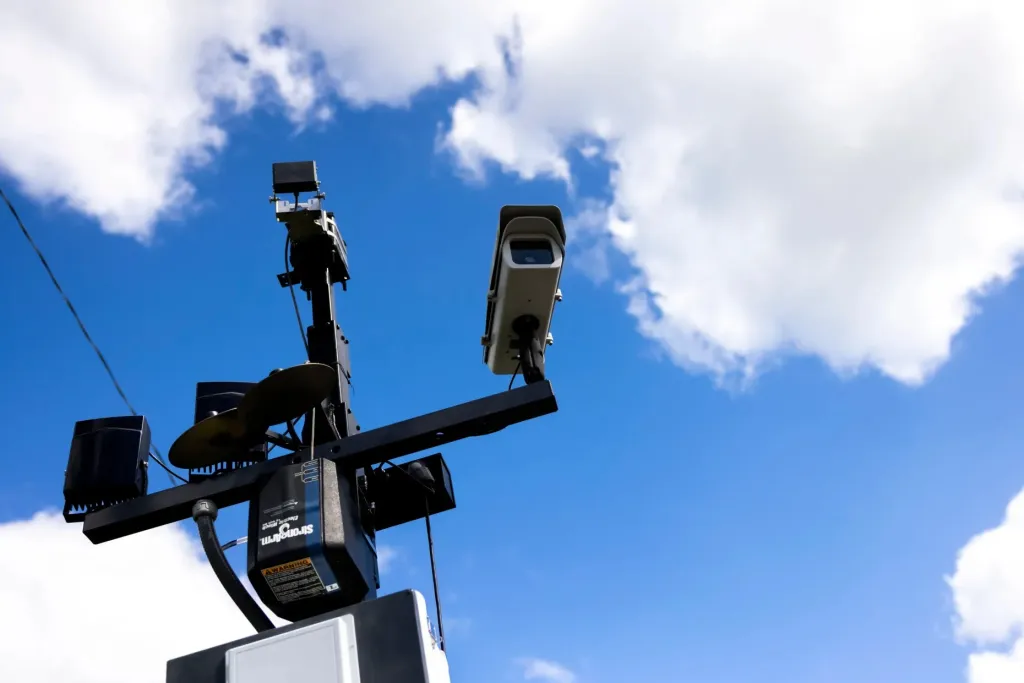
Recently, California state lawmakers approved a pilot program that permits seven cities, including Long Beach and San Francisco, to utilize speed cameras at select intersections. This initiative aims to deter speeding and ensure safer road conditions for all users. The speed cameras will capture the license plate numbers of vehicles traveling at excessive rates, with notifications sent to the registered owners of the vehicles. While this approach raises questions about driver accountability, it’s a practical step toward documenting traffic violations consistently.
In Long Beach specifically, the city has identified 18 intersections where these cameras will be implemented. Jocelin Padilla-Razo, a spokesperson from the Long Beach Public Works Department, explained that automated citations will initially be warnings for the first two months. After this introductory phase, fines start at $50 for speeds exceeding the limit by 10 mph, escalating with the severity of the offense. Notably, this system operates differently from traditional police-issued citations, as it doesn’t impact the driver’s point record, focusing instead on vehicle registration.
Registered Owners and Liability
A notable aspect of this pilot program is that speeding tickets will be issued to the registered owner of the vehicle rather than the driving individual at the time of the infraction. This approach simplifies the process of issuing citations but may leave some drivers feeling unfairly penalized, especially if they weren’t behind the wheel. However, the law provides an option for registered vehicle owners to fill out a non-liability affidavit in cases where their car was stolen at the time of the offense.
This method echoes practices seen with parking tickets, where the vehicle serves as the primary focus of accountability. Critics might argue that this could lead to unfair consequences for owners who lend their cars, but it offers a practical solution for capturing speeding violations without the complexities of identifying specific drivers.
Infrastructure Updates: El Toro Road Exits
Shifting focus from speed enforcement to infrastructure, another significant development involves the ongoing delays in the overhaul of the El Toro Road exits from the 5 Freeway. A substantial $664 million project completed last year improved 6.5 miles of roadway, yet the planned reconfiguration of the El Toro Road interchange remains unresolved. This historic roadway, essential for residents in Lake Forest, Laguna Hills, and Laguna Woods, is crucial for reducing congestion and improving traffic flow.
Initially, construction on this interchange was expected to commence by now. However, the design phase has taken longer than anticipated, leading to uncertainty about when this vital work will begin. Eric Carpenter from the Orange County Transportation Authority (OCTA) has mentioned substantial technical analysis and public feedback driving the design choices. Officials are evaluating three different design proposals, and a preferred alternative is projected to be selected by the end of 2026, alongside updated cost estimates.
The Role of Community Input
The El Toro Road interchange situation demonstrates the importance of community involvement in transportation projects. Extensive public input and technical analysis have played a crucial role in informing decision-making. This collaborative effort aims to ensure that the final design meets the community’s needs while alleviating traffic issues. With local residents expressing their concerns, the transportation authorities are more informed and mindful about the impact on everyday commuting experiences.
Citizens are encouraged to engage in dialogues around such infrastructure projects. By voicing their opinions, residents can play an influential role in shaping how these essential developments unfold, ensuring that the resulting infrastructure facilitates smoother, safer travel.
Innovative Solutions to Combat Vandalism
In a separate yet relevant initiative, Caltrans has taken innovative steps to combat vandalism along California roadways. Recently, fake ivy panels were installed along walls on the 101 Freeway in downtown Los Angeles to deter tagging and prevent the associated negative fallout of graffiti vandalism. The artificial ivy can be easily removed, cleaned, and reinstalled, providing a constantly refreshed appearance for urban infrastructure.
Such creative solutions are vital for maintaining the aesthetic value of public spaces while addressing persistent challenges like tagging. They showcase California’s commitment to innovative problem-solving in preserving the integrity of its infrastructure.
Conclusion: A Safer, More Efficient California
As California navigates through these changes, the combination of implementing speed cameras and addressing critical infrastructure needs reflects a broader trend toward enhancing safety and efficiency on the roadways. While the speed camera pilot program promises to deter speeding and promote responsible driving behavior, improved interchanges like El Toro Road aim to streamline traffic and reduce frustration for commuters.
Residents should remain engaged and informed about these initiatives, as public feedback is invaluable for shaping the future of California’s transportation landscape. Together, these efforts represent a proactive approach to tackling the state’s transportation challenges, ensuring that California roads become safer and more user-friendly for everyone.
This article is based on reporting from www.ocregister.com.
The original version of the story can be found on their website.
Original Source:
www.ocregister.com
Image Credit: www.ocregister.com ·
View image