


The Importance of Dredging in Newport Harbor: An In-Depth Look
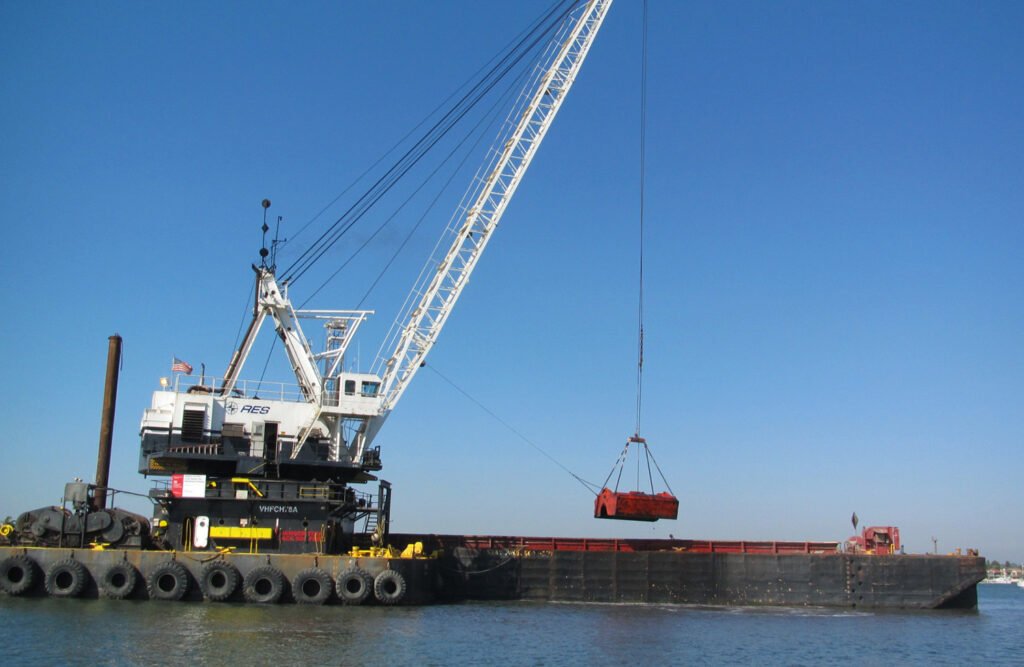
Dredging operations in Newport Harbor, overseen by Public Works Manager Chris Miller, signal a rare but critical intervention aimed at maintaining the harbor’s structural integrity. This significant operation began in December and is expected to be completed by September 26 of this year, focusing on removing approximately 900,000 cubic yards of legacy material from the seabed. This material, largely accumulated since the 1930s when the Santa Ana River emptied into the bay, must be displaced to uphold the Congressionally mandated depths for federal channels. Although today’s Newport Harbor serves primarily as a recreational space and business environment for local fishing and charter boat activities, it bears the weight of both historical significance and current operational importance.

Dredging is not only a sizable undertaking; it also comes with substantial financial implications. The endeavor is slated to cost around $21 million, shared between Newport Beach and the federal government. Public Works Manager Miller emphasizes the need for a strong partnership with federal funding to ensure that Newport Harbor, recognized as the largest small boat harbor in the western United States, receives the necessary financial and political support. Newport doesn’t serve as a commercial freight hub today, but it remains an essential point for fishing, leisure boating, and various regional services provided by agencies such as the Coast Guard and the DEA.
Environmental concerns loom large over the dredging process, particularly regarding sediment contamination. Over the past year, Newport has invested significant resources—$1.3 million—into ensuring that the dredged material is suitable for disposal. Some sediment proved contaminated, requiring it to be transported to an approved landfill at the Port of Long Beach instead of a local ocean disposal site. This location, 20 miles up the coast, allows the material to contribute to the landfill for a commercial container storage facility, thereby serving a dual purpose while adhering to environmental regulations.
To ensure the safety of local wildlife, particularly eelgrass and other marine life, the dredging operation demands meticulous attention. Crane operators must skillfully navigate their equipment to preserve these habitats, balancing operational efficiency with ecological integrity. For every cubic yard of material removed, there are complex protocols in place to monitor and maintain the surrounding ecosystem. This aspect of dredging remains largely invisible to the public but is essential for the harbor’s long-term health and sustainability.
On another front, addressing pollution flow into Upper Newport Bay is equally substantial. The Newport Bay Interceptor, designed to capture debris before it can enter the marine preserve, represents a forward-thinking solution to a pressing environmental issue. Slated for installation in March 2025, this innovative system uses floating booms to trap materials and a specialized mechanism to transport waste to bins for collection. During the recent rainy season, the Interceptor notably captured approximately 50-60 cubic yards of debris, illustrating its potential impact on reducing litter in the bay.
By enhancing Newport Harbor’s infrastructure through dredging while simultaneously addressing pollution, local authorities demonstrate a commitment to preserving this valuable natural resource. The efforts of Chris Miller, in collaboration with various state and federal agencies, underscore the significance of Newport Harbor not only as a recreational and commercial hub but also as a focal point for ecological preservation. As this critical dredging operation nears completion, the future of Newport Harbor looks promising, with the effective balance of human activity and environmental stewardship leading the way.
This article is based on reporting from www.newportbeachindy.com.
The original version of the story can be found on their website.
Original Source:
www.newportbeachindy.com
Image Credit: www.newportbeachindy.com ·
View image