


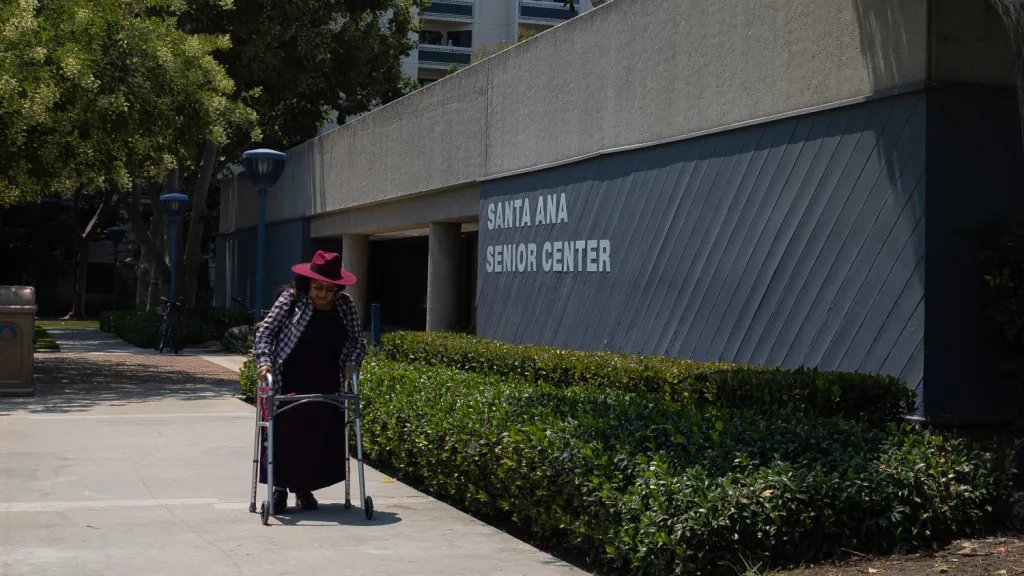
Navigating Senior Mobility in Orange County Amid Budget Cuts
As Orange County faces budgetary constraints, many cities within the region are making significant cuts to their local senior mobility programs. This decision comes at a time when the population of older adults is rapidly increasing, presenting unique challenges for both county leaders and the elderly community.

The Growing Need for Senior Mobility
According to recent studies, Orange County has seen a marked increase in its senior population. By 2030, it is projected that nearly one in five residents will be aged 65 or older. This demographic shift necessitates robust mobility options to ensure that older adults can access essential services, including healthcare, groceries, and social activities. However, local city councils, facing budget deficits, have begun to scale back funding for these vital programs, creating a gap in services just when they are most needed.
The Impact of Budget Cuts
The cuts to senior mobility programs not only limit transportation options but also compromise the quality of life for many older adults. Without reliable transportation, seniors may struggle to maintain their independence, leading to increased social isolation and potential health risks. The lack of accessible transportation makes it difficult for elderly residents to attend medical appointments, engage with the community, and access necessary resources, further exacerbating the issues that come with aging.
Community Responses and Alternatives
In light of the cuts, community organizations and local advocacy groups are stepping in to fill the gap. Many are exploring alternative transportation options, such as volunteer driver programs and partnerships with rideshare services. These initiatives aim to provide seniors with more affordable and accessible transportation options, allowing them to navigate their communities more effectively. Innovative solutions like these could lessen the burden on local governments while ensuring that seniors retain a degree of independence and mobility.
The Role of County Leaders
County leaders are faced with the challenging task of balancing budgetary demands with the needs of a growing senior population. Discussions among policymakers at the county level have underscored the importance of prioritizing senior services in future budgets. Some leaders advocate for exploring additional funding sources, such as state and federal grants, to bolster these programs and ensure their sustainability. By prioritizing senior mobility, the county can provide an essential lifeline for its aging residents.
Looking Ahead: Sustainable Solutions
As Orange County moves forward, it is essential for leaders to develop sustainable solutions that address the mobility needs of older adults. Collaborations between cities, nonprofits, and the private sector could yield effective transportation solutions that serve all residents. Public awareness and advocacy efforts can also play a critical role in highlighting the significance of senior mobility, ensuring that this issue remains a focal point in local governance.
Conclusion
As budget cuts threaten senior mobility programs in Orange County, the responsibility to advocate for older adults’ needs becomes increasingly important. With the senior population on the rise, it is imperative that county leaders prioritize transportation solutions that continue to serve this vulnerable demographic. By recognizing the critical role of mobility in the lives of older adults, Orange County can work toward a future where all residents have the freedom to navigate their communities with dignity and ease.
This article is based on reporting from voiceofoc.org.
The original version of the story can be found on their website.
Original Source:
voiceofoc.org
Image Credit: voiceofoc.org ·
View image