


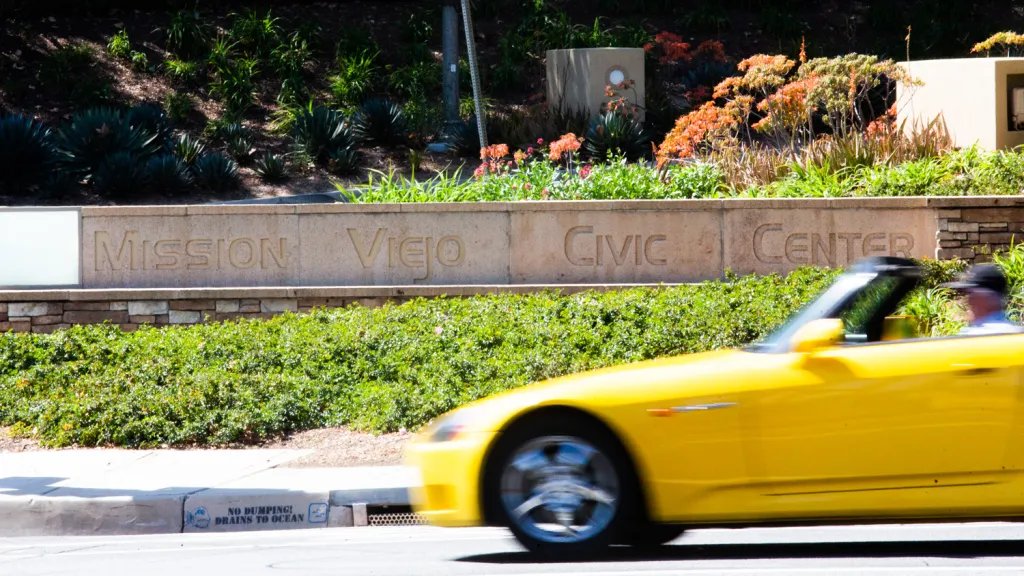
Under the shadow of palm trees and suburban tranquility, a storm is brewing in Mission Viejo. Residents are rallying against a proposed six-story expansion of the Vista Del Lago apartment complex, which threatens to reshape the landscape of their community forever. With plans to replace 68 existing units with 418 new apartments and a parking structure, the potential influx of nearly 1,000 residents has ignited fervent debates over housing, traffic, and the very essence of what it means to live in this Southern California enclave.

Mission Viejo’s Housing Crisis: A Call for Balance
At a recent planning commission meeting, community members voiced their concerns, expressing fears about increased congestion and diminished quality of life. “This isn’t just about housing; it’s about our neighborhood,” exclaimed resident Carol Vasquez, her voice breaking with passion. “We already struggle with traffic. Adding hundreds more cars? It feels like a recipe for disaster.”
Local Voices: Community Concerns
Among the dissenters, the fear of losing Mission Viejo’s character looms large. Many residents are worried that the proposed six-story structure will tower over the low-rise homes that define their suburb. “This isn’t Irvine or San Clemente; this is Mission Viejo,” resident Mark Thompson lamented. “Six stories? It’s just unreasonable.”
- Traffic congestion exacerbated by new housing.
- Noise pollution impacting quality of life.
- Environmental concerns over increased auto emissions.
- Calls for more low-income housing options.
Planners, however, suggest that the project is a necessary response to California’s housing crisis. Mission Viejo has been handed mandates to create 2,217 new housing units by 2029, and developers argue that expanding existing complexes is a viable solution. In response to community concerns, city officials have proposed including 53 affordable housing units within the development, an effort to address the growing affordability crisis. However, this has fallen short of satisfying critics.
State Mandates vs. Local Control
California’s housing shortage has spawned legislation that complicates local government control over developments. Assembly Bill 130, aimed at expediting new housing projects, has left cities like Mission Viejo grappling with how to meet state quotas while trying to preserve community needs. “Essentially, our hands are tied,” explained Planning Commissioner Robert Breton. “We’ve followed the rules dictated by the state, and if we don’t comply, developers will go elsewhere and the city will face legal challenges.”
In discussions about local governance, expert urban planner Dr. Emily Grant commented on the necessity for municipalities to adapt: “Cities must strike a balance between state mandates and community integrity. It’s not enough to simply build; we need to ensure that developments harmonize with local needs.”
What’s at Stake for Mission Viejo?
The population of California is consistently growing, and Mission Viejo has not been immune to these demographic changes. A recent study from the California Housing Partnership revealed that 1 in 5 households in Orange County struggle to afford housing. As younger families are being priced out of the market, the demand for affordable units has never been more pressing. However, resident voices contend that simply building more housing is not a blanket solution.
Quality of Life Concerns
Residents have raised numerous issues that could arise from the influx of new housing:
- Increased daily car trips, contributing to congestion.
- Potential increases in local crime rates due to higher population density.
- Environmental repercussions such as air and noise pollution.
“We need to ensure that new developments complement our existing community,” cautioned Katharine Reynolds, an urban sociologist. “Growth isn’t inherently bad, but it should be managed thoughtfully to avoid catalyzing negative consequences.”
Compromise or Confrontation?
As Mission Viejo prepares itself for a pivotal city council meeting on March 10, the future hangs in the balance. While some applaud the inclusionary approach to affordable housing, many express dissatisfaction, calling for more robust solutions that encompass various income levels. Cathy Palmer, another resident, raised an essential point: “We must be realistic about our housing needs, but not at the expense of our community’s well-being. There must be a better way to address this.”
As conversations continue, one truth remains clear: balancing the urgent need for housing with the preservation of community values is a tightrope walk that Mission Viejo is now navigating. With passions inflamed and futures uncertain, the outcome of the upcoming council meeting could determine the shape of the community for generations to come.