


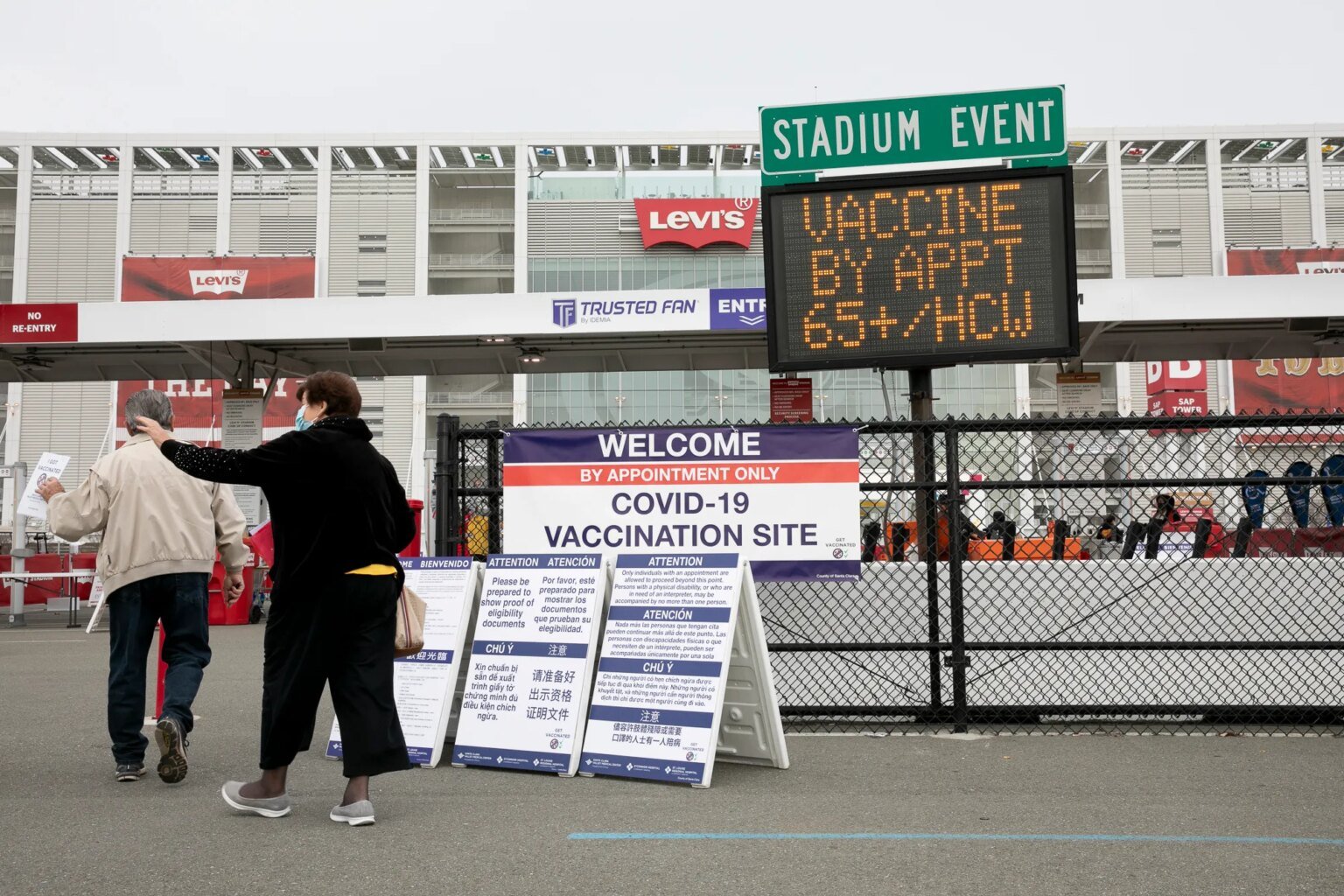
Streamlining COVID-19 Vaccine Distribution: Blue Shield Takes Charge in California
California’s COVID-19 vaccine distribution has been marked by confusion and inconsistency, compelling state health officials to implement a more centralized approach. Starting Monday, Blue Shield, a prominent health insurer, will oversee vaccine allocation across counties, promising to simplify the process for residents eagerly awaiting their shot.

A Unified Approach to Vaccine Distribution
The varied vaccine eligibility rules across California’s 58 counties have created frustrations for many residents who struggled to navigate the complex process. To address this issue, Blue Shield’s involvement aims to standardize vaccine distribution and eligibility guidelines, ensuring a more equitable and efficient rollout. By mid-March, all counties will transition to this new system, which promises a consistent set of eligibility criteria that is uniformly applied statewide.
Blue Shield CEO Paul Markovich emphasizes that the organization will prioritize vaccine distribution based on state goals and the needs of disadvantaged communities. This structured approach is geared toward enhancing accessibility for all Californians, increasing immunization rates significantly.
Transitioning to a Centralized System
As the transition unfolds, primary channels for scheduling vaccine appointments will shift to myturn.ca.gov and a dedicated phone line, 1-833-422-4255. This move aims to eliminate the confusion arising from differing appointment systems in various counties. Previously, residents faced a patchwork of websites and phone numbers that often hindered their ability to secure vaccinations quickly.
The change is particularly significant for educators and essential workers who have often faced inconsistent eligibility based on their county of residence. With Blue Shield’s oversight, eligibility should converge, paving the way for a more equitable distribution process.
Addressing Vaccine Eligibility Concerns
California’s current vaccination priorities include frontline health care workers, long-term care facility staff, individuals aged 65 and older, educators, and essential workers in sectors such as food and agriculture. However, disparities have been evident, with some counties moving ahead to vaccinate younger populations or other groups before established timelines. The new centralized system aims to eliminate such inconsistencies, ensuring that vaccination timelines are respected across the state.
As of now, approximately 8.2 million vaccine doses have been administered across California, translating to about 15 percent of the population receiving at least one shot. With the introduction of eligibility for individuals with high-risk medical conditions set for March 15, the total number of individuals eligible for vaccination could rise to between 17 and 19 million.
Anticipating Supply and Demand
Governor Gavin Newsom recently announced a forthcoming allocation of 1.58 million doses for the following week, as the state grapples with supply issues. The integration of the single-dose Johnson & Johnson vaccine is expected to bolster California’s vaccination efforts significantly. Experts within the state government estimate that they will soon reach an impressive target of administering around 3 million vaccines per week—though the primary challenge remains ensuring an adequate supply of doses.
Blue Shield has already contracted with at least 30 vaccine providers, including major health systems and pharmacies, enabling a wide network to facilitate efficient vaccination deliveries. This robust network is critical in addressing the high demand for vaccines, making it crucial for Blue Shield to execute its plans effectively to satisfy public needs.
Building Public Trust in the New System
As California embarks on this new vaccination strategy, public trust and confidence in the state’s ability to deliver vaccines consistently will be paramount. Political consultants highlight that the success or failure of the vaccine distribution system could significantly impact Governor Newsom’s administration. By ensuring that the transition is smooth and that communication is clear, the state aims to foster public confidence in the vaccination process.
Residents will benefit from a cohesive system that prioritizes equity, accessibility, and transparency. As Blue Shield takes the reins of vaccine distribution, California residents can look forward to a more organized approach that addresses the urgent health needs of all communities.
Conclusion: The Road Ahead for Vaccine Distribution in California
California’s COVID-19 Vaccine distribution system is evolving with significant oversight from Blue Shield. This shift promises to create a more structured and equitable vaccination process for all residents. By emphasizing consistency and accessibility, the state aims to increase vaccination rates efficiently, ultimately leading to better health outcomes for Californians. As we navigate this complex landscape, the collaborative efforts between state officials, health providers, and Blue Shield will be essential in overcoming existing challenges and achieving widespread immunization in the near future.
This article is based on reporting from calmatters.org.
The original version of the story can be found on their website.
Original Source:
calmatters.org
Image Credit: calmatters.org ·
View image