


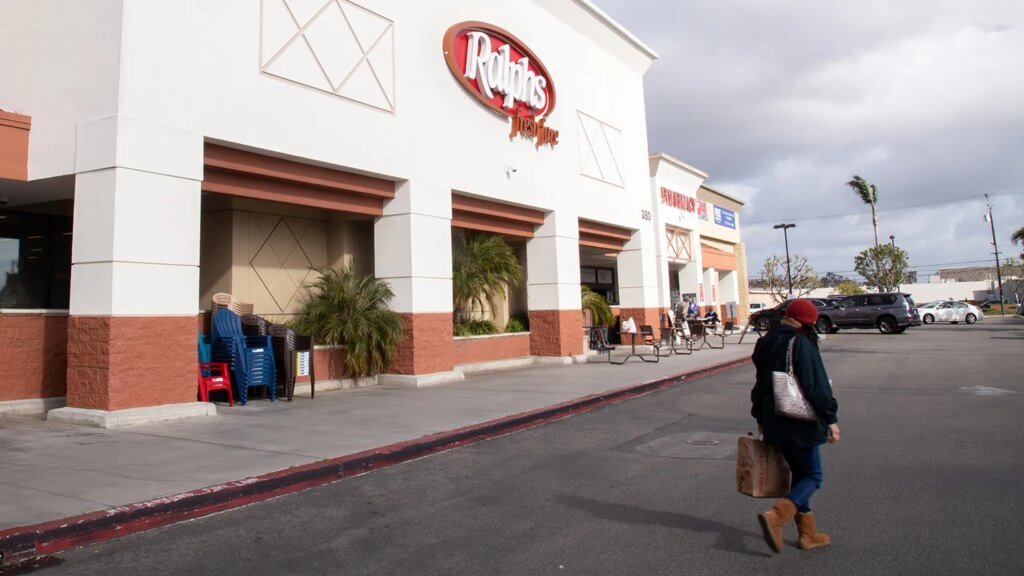
Grocery Stores and Pharmacies in Costa Mesa May Soon Require Staffing at Self-Checkout Stands
In a bustling grocery store in Costa Mesa, aisles echo with the beeping of self-checkout machines as customers scan their items while jostling for attention. Among them is Melissa, a customer in her mid-forties, who grapples with a scanner that refuses to register her organic apples. It’s a scene increasingly familiar across the nation, but behind the seamless facade of technology lies an urgent concern: will customers soon have extra hands at these automated stations?

Moving Toward Legislative Reform
In a pivotal meeting on November 4, Costa Mesa City Council members voted 5-2 to explore an ordinance that would mandate grocery stores and pharmacies to station employees at self-checkout stands. This potential policy shift follows in the wake of Long Beach’s newly enacted ordinance designed to combat theft and employee burnout at such stations.
“As we move forward with this ordinance, I want to copy from who has done it right and done it well,” said Councilmember Manuel Chavez, highlighting the significance of Long Beach’s action, which requires one worker for every three self-checkouts, limiting transactions to 15 items or less.
- Enhance worker safety and reduce workplace stress.
- Mitigate theft and shrinkage at retail outlets by ensuring oversight.
- Improve customer service by facilitating smoother transactions.
A Ground-Level Perspective
Amid rising concerns about job satisfaction and operational efficiency, local retail workers voiced overwhelming support for the proposed ordinance. Costa Mesa resident Matt Walters, with 24 years of experience in the grocery sector, described his struggles. “Self-checkout employees juggle multiple customers simultaneously, unlike traditional checkstands that only handle one at a time,” he stated. Walters supported his claims by presenting a petition signed by 179 workers from local chains like Ralphs and Vons.
Derek Smith, Political Director of the United Food and Commercial Workers 324, echoed these concerns, emphasizing the psychological and physical toll on employees. “We are extraordinarily pleased at the seven-week mark that the ordinance is working as intended,” he noted, advocating for a similar model in Costa Mesa.
Contentions and Concerns
Despite the support, industry voices, specifically from the California Grocers Association, cautioned against hasty regulations. Tim James from the association asserted, “Many of the issues this ordinance seeks to resolve—such as theft—aren’t as prevalent as suggested. We were not contacted to verify any of the concerns raised.” His organization is advocating for more nuanced discussions, emphasizing that their input should be valued in these legislative processes.
“We believe that committing to a direction to move an ordinance forward at this time would be further disrespectful to grocery [staff] and not taking into full account all the points of this issue going forward,” he added, stressing the need for a balanced approach that acknowledges employer concerns.
Evaluating the Impact of Self-Checkout
The rise of self-checkouts has combined convenience with certain challenges. While customers appreciate quicker transactions, several studies suggest employee workloads at self-checkout stations can create unprecedented stress levels. A national survey conducted by the Institute for Labor Research found that 67% of self-checkout workers reported feeling overwhelmed, with many stating that they could not effectively manage more than four customers at once without compromising service quality.
Councilmember Jeff Pettis, who opposed the ordinance, argued that it would interfere with the autonomy of private businesses. “Let’s let labor and management figure this out without government oversight,” he asserted, adding that city involvement might complicate existing labor negotiations.
The Potential for Change
Mayor John Stephens, who supports the ordinance, stated, “There’s a fine line to walk when it comes to government regulation of private business. We face significant challenges, but worker safety and customer satisfaction are paramount.” He emphasized that fostering a balanced environment could ultimately benefit both customers and employees.
As the conversation surrounding self-checkouts continues to evolve, many in Costa Mesa wonder how this ordinance, if passed, will affect the landscape of grocery shopping in their community. Will it lead to enhanced employee well-being and improved customer experiences, or will it merely complicate an already challenging retail environment? The City Council’s next steps will be closely monitored by employees, customers, and industry advocates alike as this unfolding narrative captures the tensions between innovation, regulation, and the marketplace.