


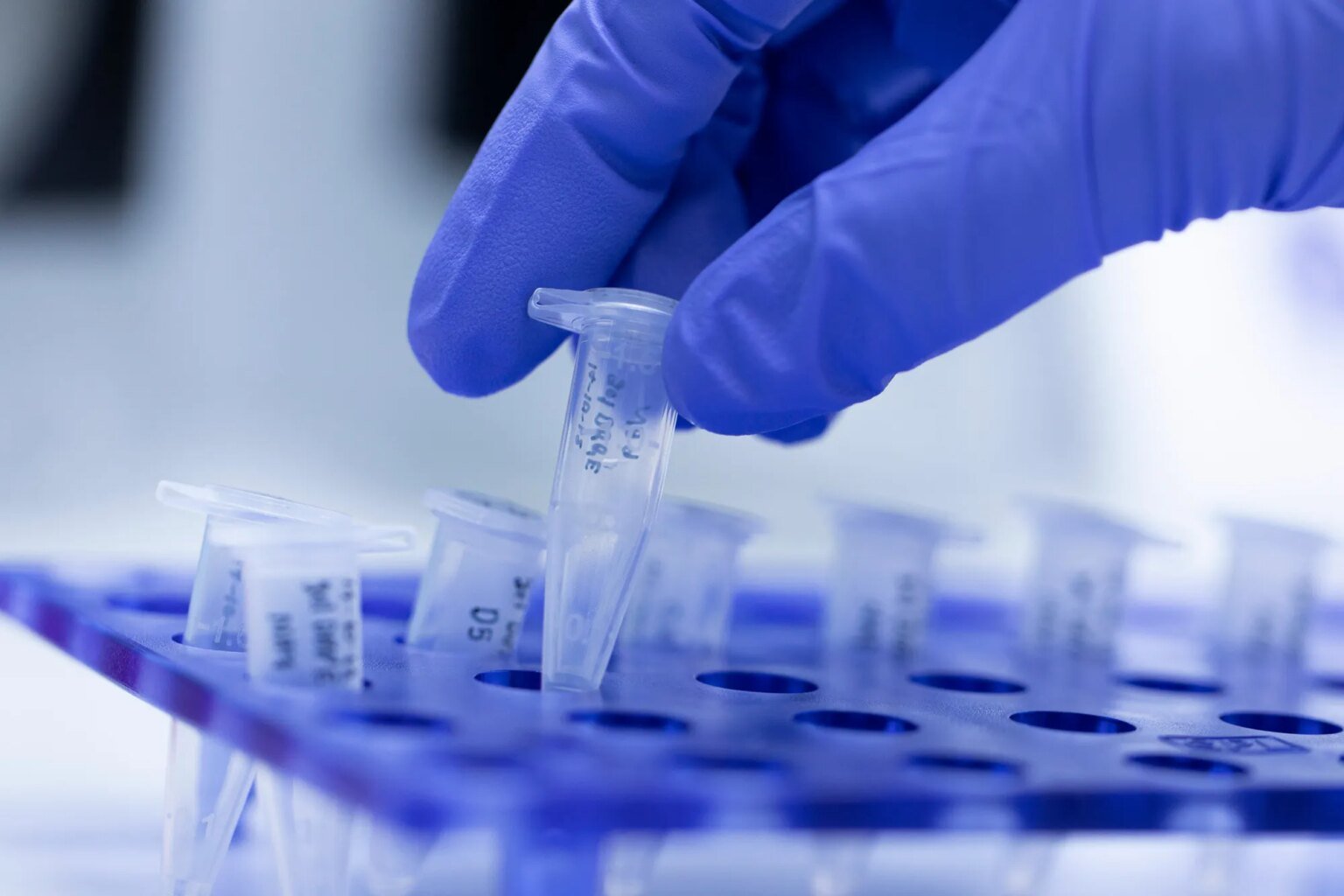
Understanding Proposition 20: The Expansion of DNA Collection in California

California voters face a significant decision with Proposition 20, which proposes expanding the pool of DNA collected by law enforcement. Historically, the collection of DNA in California has been limited to individuals convicted of serious crimes, such as felonies, registered sex offenders, and arsonists. However, if passed, Prop 20 would require DNA samples from individuals convicted of certain misdemeanors, a shift from the current law influenced by 2014’s Proposition 47, which downgraded several felonies to misdemeanors, subsequently reducing the number of DNA profiles in the state’s databank.
Prop 20 aims to reclassify certain misdemeanors, known as "wobblers," allowing them to be charged as either misdemeanors or felonies. This initiative would also change criteria for parole considerations, make specific crimes ineligible for early release, and institute a three-strikes rule for individuals violating post-release supervision. The misdemeanors included in this proposal cover a range of offenses, particularly relating to theft, drug-related crimes, domestic abuse, and prostitution involving minors. If successful, Proposition 20 could significantly increase the number of DNA samples stored in California’s database, currently housing DNA profiles from nearly 3 million individuals.
Supporters of Proposition 20 argue that enhancing the DNA databank could lead to solving more cases, particularly violent crimes. For instance, supporters claim that individuals who have committed misdemeanors often lead law enforcement to identify suspects in serious crimes like rape and murder. Sacramento County District Attorney Anne Marie Schubert, a co-author of the initiative, argued that Prop 20 restores the ability to collect DNA from populations previously excluded under Prop 47, asserting its potential to aid in solving violent crimes. With supporters raising nearly $5 million in favor of Proposition 20, it demonstrates a concerted push for this change across law enforcement and political circles.
In stark contrast, opponents of the measure, including prominent figures such as Governor Gavin Newsom and civil liberties advocates, have raised concerns about the implications of such a broad DNA collection policy. They argue it could lead to increased racial profiling and disproportionately affect communities of color. Critics point out that individuals from marginalized communities face more scrutiny and are more likely to be convicted on minor offenses, leading to systemic inequities in the justice system. The American Civil Liberties Union (ACLU) has voiced strong objections to Proposition 20, warning that expanding the DNA database may entrench disparities and contribute to further wrongful convictions.
Further complicating the discussion around Proposition 20 is the existing backlog of DNA samples awaiting analysis in California. Critics, including UC Berkeley law professor Andrea Roth, argue that increasing the number of DNA collections could divert resources away from testing crime scene samples, essentially exacerbating the issue of backlog rather than helping solve crimes more effectively. Current statistics indicate that California averages 100,000 DNA samples collected annually, a decline following the passage of Proposition 47 that many attribute to decreased felony arrests.
The vision of California’s DNA databank succeeding in solving cold cases is compelling, yet it also raises questions about accountability and accuracy. While the system has succeeded in solving notorious cases, including that of the Grim Sleeper and the Golden State Killer, the risk of mishaps cannot be overlooked. Instances of wrongful arrests, based on faulty DNA evidence, illustrate the potential consequences of expanding DNA collection indiscriminately.
As California evaluates the merits of Proposition 20, the insights from Orange County serve as a case study. The county has been collecting DNA from individuals charged with nonviolent misdemeanors through a program known as “Spit and Acquit.” This program has led to a growing database with significant hits during investigations. Proponents assert that collecting DNA from those convicted of minor offenses might help prevent more serious crimes by creating a robust connection between minor and violent offenses. However, this raises concerns about privacy and the ethics of broadly surveilling individuals for minor infractions.
In summary, Proposition 20’s potential impacts on California’s criminal justice system warrant careful consideration. The expansion of DNA collection raises critical questions about racial equity, data integrity, and resource allocation within law enforcement. As voters prepare to cast their ballots, weighing the potential benefits against these profound concerns will be crucial for the future of public safety and civil liberties in California.
This article is based on reporting from calmatters.org.
The original version of the story can be found on their website.
Original Source:
calmatters.org
Image Credit: calmatters.org ·
View image