


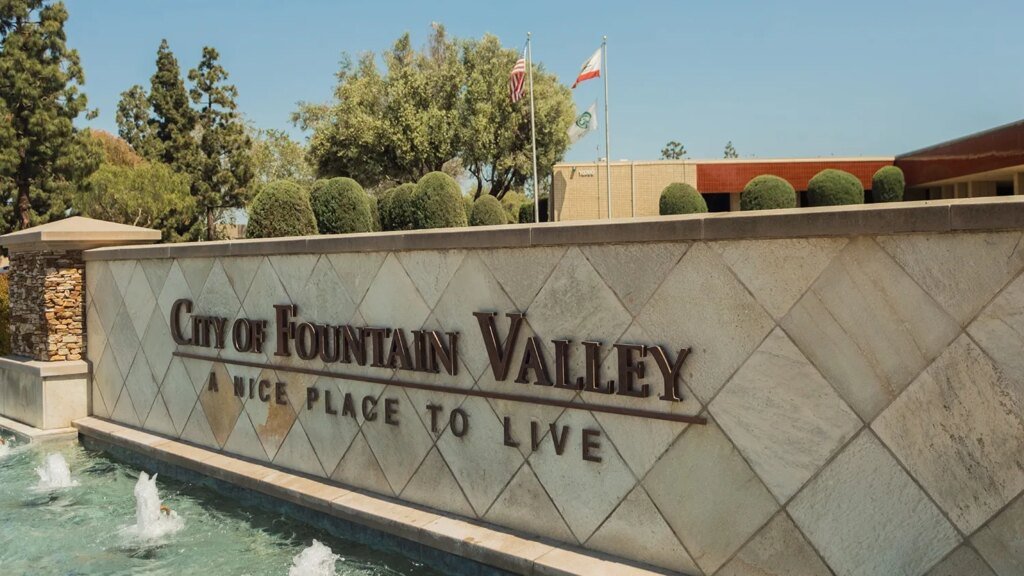
Fountain Valley’s Housing Project: A Response to State Mandates and Local Needs
As the sun sets over Fountain Valley, a bastion of suburban calm in Orange County, the hum of lively discussions fills the air. City leaders and residents grapple with the future of their community amidst the impending arrival of over 600 new housing units, including affordable senior apartments. The Euclid and Heil Residential Project is more than just a zoning decision; it’s a manifestation of California’s evolving landscape, where state mandates often overshadow local concerns.

From Strawberry Fields to Housing Development
What was once a sprawling strawberry field near Mile Square Regional Park is set to transform into a vibrant residential community. Planned on an 18-acre site, the project aims to deliver a mix of 304 market-rate apartments, 83 affordable units for seniors, and over 200 townhomes and triplexes. Following months of community input and deliberations, the Fountain Valley City Council approved the affordable housing agreement in a decisive 4-0 vote on October 23. This crucial development not only fulfills a vital local need but also marks a significant step in complying with California’s ambitious housing mandates.
“Fountain Valley must adapt to meet these state housing goals,” noted Principal Planner Steve Ayers during the planning commission discussions. “Our project aligns perfectly with both the city’s general plan and the inclusionary housing program designed to address California’s ongoing housing crisis.” The state has set an ambitious goal of 4,839 new housing units for Fountain Valley, aiming to alleviate the severe shortage that has gripped the region.
State Mandates vs. Local Control
The tension between state mandates and local control looms large over the council’s decisions. Many officials express concern that the state’s push for housing is constraining local governance. Mayor Ted Bui raised alarms about safety standards, particularly regarding the single elevator planned for the senior housing component. “What happens if it breaks down? How are people with mobility challenges supposed to evacuate in an emergency?” Bui emphasized the need for additional safety measures to ensure that the project serves all residents adequately.
- Benefits of the Project:
- Provides essential affordable housing for low-income seniors.
- Addresses regional housing needs as mandated by the state.
- Enhances community vitality with mixed-use developments.
- Meets parking requirements more than state-mandated levels.
- Concerns Raised:
- Increased traffic congestion as a result of new residents.
- Potential safety issues due to limited emergency access.
- Impact of density on local aesthetics and community feel.
Councilmember Glenn Grandis captured the sentiment shared by many local leaders: “We have to work within the framework provided by the state. It’s not worth it to engage in costly battles against it. The best course of action is to ensure that we maintain our standards as much as possible.” His comments underscore the reality many Californian cities face: the necessity of compliance with state housing laws, even when local interests seem sidelined.
Community Responses and Transitional Challenges
Residents have expressed mixed feelings about the development. While many recognize the pressing need for affordable housing, concerns linger about safety, traffic, and the overall character of the community. Research has shown that cities nationwide, when faced with similar housing mandates, often encounter pushback from established residents wary of change.
For instance, a recent study by the Urban Institute highlighted a trend where local opposition to new housing developments correlates strongly with established homeowners fearing decreases in property values and community character. “It’s essential for city planners to engage residents actively to mitigate fears and create a more inclusive vision of community growth,” said Dr. Maria Ellis, a professor of Urban Planning at the University of California. “Maintaining local engagement can help alleviate these tensions.”
City officials assure residents that the project is one of 11 identified sites aimed at meeting housing goals. With the planning commission’s approval in June and subsequent endorsement by the city council, proponents argue this development is a necessary step towards a more inclusive community, providing affordable living options for vulnerable populations.
The Road Ahead: Construction and Community Integration
Construction timelines have yet to be announced as legal and financial agreements are still being finalized. City planning officials remain optimistic that once permits are in place, development can proceed swiftly, unlocking new opportunities for Fountain Valley.
As project discussions unfold, the city faces the daunting task of ensuring that the influx of new residents enhances, rather than detracts from, community life. City officials are committed to maintaining dialogue with residents to address concerns over increased traffic and the overall safety of the area.
Ultimately, the Euclid and Heil Residential Project stands as a pivotal moment for Fountain Valley. It symbolizes the delicate balancing act between state authority and local autonomy, a microcosm of the broader housing challenges facing California. As officials and residents navigate this complex terrain, the decisions made in the coming months will shape the future of their community for generations to come. In the quiet evenings, as neighbors gather in anticipation, the planting of new homes serves not only as a physical construction project but as a foundation for new communal relationships, rooted in collaboration and understanding.