


Voters in Another Orange County City Could Soon Weigh in on Tax Increases to Address Budget Strains
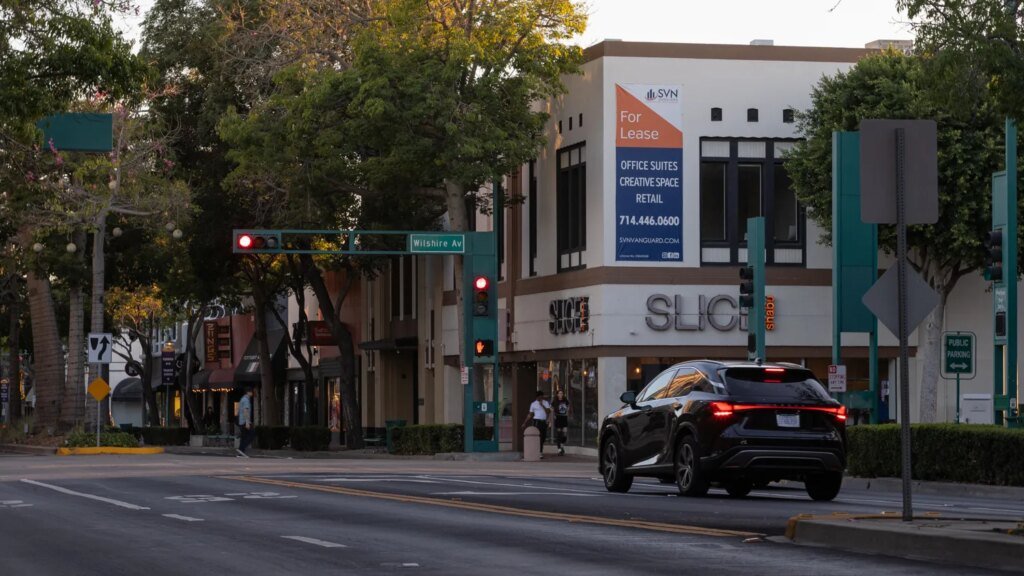
As the sun sets over Fullerton, California, the remnants of day cast a spotlight on the city hall, where leaders grapple with a pressing question: How do we sustain community services amidst escalating budget deficits? With a projected $9.3 million deficit looming next fiscal year, city officials are preparing to ask residents if they will support a sales tax increase to keep their beloved public services afloat.

The Fiscal Landscape of Fullerton
In a climate where city revenues are regularly outpaced by expenditures, Fullerton is not alone. Throughout Orange County, cities are facing similar fiscal predicaments. City council members have started discussions around two proposed measures, each seeking a 0.5% sales tax increase. One is earmarked for critical infrastructure improvements, like road repairs, while the other aims to bolster funding for public safety.
At a recent city council meeting, Mayor Fred Jung, highlighting community sentiment, stated, “While general sales tax measures have faced considerable resistance, these two special tax propositions have garnered significant support from this council.” The complexity of public opinion, however, remains a crucial factor. Councilman Ahmad Zahra called for a deeper dive into the specifics and proposed a study session. “The devil is in the details,” he cautioned, emphasizing resident involvement in refining the proposals.
Understanding Voter Sentiment
Voter apprehension about tax increases has cause and effect roots. A recent survey conducted by the California Civic Engagement Project found that 68% of Orange County residents oppose tax hikes due to concerns about household affordability and prior experiences with municipal spending inefficiencies. “There is an inherent distrust when it comes to how municipalities handle taxpayer dollars,” notes Dr. Elaine Montrose, an economist specializing in urban finance at UC Irvine. “It’s imperative for city officials to establish transparency and trust, or they risk prolonged fiscal strain.”
- Transparency: Rebuilding trust with the community requires clear communication and accountability.
- Engagement: Public forums and outreach initiatives are essential to gauge resident sentiment and articulate spending plans effectively.
- Efficiency: Cities must demonstrate cost-cutting measures before proposing tax increases to win over skeptical voters.
In a region where budgetary challenges have become the norm, Fullerton’s predicament mirrors trends across Orange County. Cities such as Buena Park, La Habra, and Seal Beach recently approved sales tax increases to shore up their financial reserves. Conversely, in cities like Orange and Santa Ana, citizens have rejected similar measures, amplifying the uncertainty surrounding local governance.
Learning from Others: Successes and Failures Across the County
The contrasting outcomes of recent tax proposals reveal a delicate balance between financial need and public sentiment. In November 2022, Buena Park successfully passed a sales tax increase, generating much-needed revenue for public services. Conversely, residents in Santa Ana are forecasting a $30 million deficit due to the impending sunset of a previously approved tax measure. “One-time measures cannot replace long-term strategic planning,” observed Johnathan Lee, a public policy analyst at the Anaheim Institute. “Cities need to think ahead and communicate the long-term benefits of proposed tax increases to secure voter support.”
In Anaheim, city officials are examining the possibility of a new admissions tax for the Disneyland park, which could generate upwards of $164 million annually. However, a proposed ballot measure was recently tabled, underscoring the hesitance among officials to push forward without consensus from the community. “City budgets are becoming increasingly complex and often require innovative solutions—and that includes engaging citizens in the strategy,” noted Lee.
Fiscal Responsibility vs. Community Needs
Amidst discussions surrounding potential tax increases, Fullerton’s city officials have also faced criticism for curtailing a $200,000 initiative aimed at supporting immigrant residents, citing budget limitations. The decision to back away from funding an immigration legal defense fund and assistance programs indicates broader fiscal constraints pushing cities to prioritize core services over additional investments. “Cities must triage their financial resources effectively while considering the social fabric of their communities,” remarked Dr. Montrose.
Your city’s health—both fiscal and social—is an interconnected web. By addressing budgetary gaps through increased revenues, Fullerton and its neighboring cities are tasked with retaining critical services while fostering community trust and engagement. As Fullerton moves forward, the outcome of its tax proposals may serve as a pivotal test case for understanding the delicate interplay between civic responsibility and community cohesion.
With voter engagement swelling on the horizon, one question remains: Will Fullerton’s residents sacrifice a little more from their wallets to save what might define their community? As the rhythm of city life continues, all eyes will be on Fullerton to see if it can navigate these turbulent waters and emerge with a solution that resonates with the fabric of its community.