


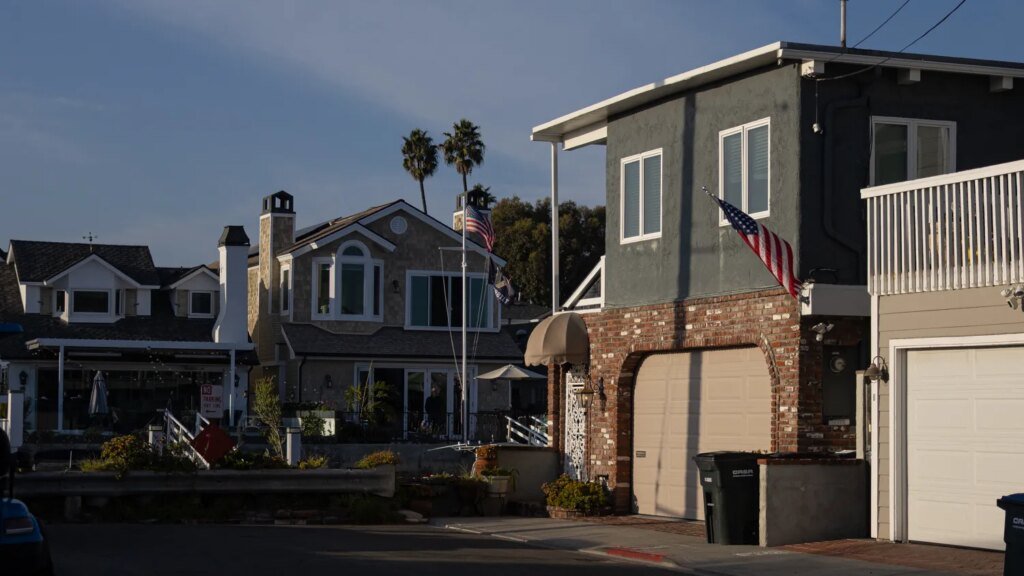
Newport Beach Residents Could Soon Take Their City’s Housing Plan Into Their Own Hands
As the sun dipped below the horizon, casting a golden hue over the pristine shores of Newport Beach, a quiet storm brewed within the affluent enclave. The city council meeting on Tuesday night was poised to be a watershed moment. Over 6,000 residents had signed a ballot initiative that sought to redefine how housing development is approached in their beachside city—a move that could place the future of low-income housing squarely in the hands of voters.

The Fight for Local Control
The Newport Beach Stewardship Association, the group behind the initiative, argued that city leaders had overstepped their bounds when they approved a new general plan in September 2024 without putting it to a public vote. This, they claimed, went against the Greenlight Initiative—a voter-approved measure from 2000 that mandates public input on significant changes to the city’s general plan. “Voter approval is required for any major amendment to the Newport Beach General Plan,” stated the city charter, a clause that has sparked fervent debates among residents and officials alike.
Steve Johnson, a political analyst at the California Urban Policy Institute, emphasized the importance of this initiative: “What we’re witnessing in Newport Beach isn’t just a local issue; it reflects a growing national trend where communities are demanding greater control over housing policy.”
The Initiative’s Key Provisions
If the city council forwards the initiative to voters, residents will decide whether to adopt a plan that mandates more than 40% of new housing developments be dedicated to low-income or very low-income residents. According to the latest census data, the median household income in Newport Beach stands at over $158,000, which means families must earn below $126,000 annually to qualify for affordable housing offerings.
- Over 6,000 signatures gathered in support of the initiative.
- Proposed requirement of 40% low-income housing in new developments.
- City’s median household income: $158,000.
- Previous general plan approved without voter input.
State Mandates vs. Local Needs
When the Newport Beach City Council greenlit their new general plan in 2024, it came on the heels of an existing state mandate that required them to zone at least 4,800 new housing units to address statewide housing shortages. However, the new plan proposed more than 8,000 units, igniting concerns among local residents who felt overwhelming pressure from both state regulations and the urgent housing crisis. “This isn’t about bypassing voters; it’s about balancing state law and our community’s unique needs,” stated Councilman Noah Blom during a city meeting, hinting at the complexities city leaders faced.
According to findings published in the California Housing Policy Report, many cities across the state struggle to meet their housing goals, often opting for market-rate developments instead of affordable units. “The reality is that until we find a way to align local desires with state mandates, we’ll see this tug-of-war continue,” remarked Ana Chen, a housing policy expert at UCLA. “This initiative reflects a collective pushback against state overreach.”
A Possible Showdown at the Polls
If the council opts to bring the initiative to a vote, it will have two choices: scheduling a costly special election with a price tag exceeding $1 million or placing the proposal on the general election ballot for November 2026. Community sentiment remains divided, with some residents viewing the initiative as a necessary step toward fair housing while others fear it may stifle new developments in a city where real estate is often a matter of luxury, not necessity.
A survey conducted by the Newport Beach Research Institute found that 61% of residents believe that low-income housing is essential for community diversity, yet 72% are concerned about potential overcrowding and declining property values. These tensions exemplify a broader narrative playing out across California, where housing affordability clashes with entrenched interests.
The Bigger Picture
California’s housing crisis looms large, encompassing various demographics and forcibly expanding into discussions about equity and sustainability. The tale of Newport Beach, an area often synonymous with affluence, has become symbolic of both opportunity and division. Residents, once only concerned with aesthetic preservation and property values, are now caught in an ideological battle over how best to define their community’s identity.
The backdrop of state Attorney General Rob Bonta’s lawsuits against cities fighting state housing mandates further complicates the narrative. These legal confrontations could have significant repercussions for Newport Beach should they maintain an uncooperative stance toward affordable housing requirements.
The question reverberating in the hearts and minds of Newport Beach residents is whether this initiative will serve to empower their community or entrench divisions. As the city council prepares to vote, one thing becomes increasingly clear: citizens are willing to take an active role in shaping their own narrative, with the echo of democracy resounding in their call for a vote.
Ultimately, the results of this push for a ballot initiative could not only dictate housing policy within Newport Beach but may also serve as a reflection of broader societal shifts occurring in affluent communities across California and beyond, as residents grapple with the complexity of sustainable growth versus traditional lifestyles.