


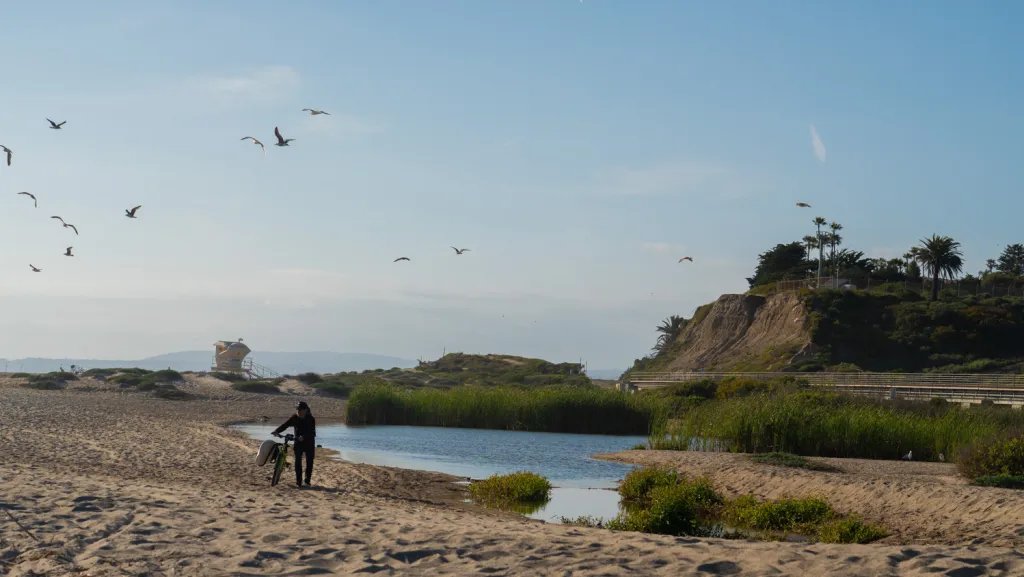
As the sun began its descent over the Pacific, casting hues of orange and pink along the shores of Trestles Beach, the tranquillity was starkly interrupted by a stark announcement: the San Clemente City Council had approved the installation of Border Patrol surveillance cameras along its coastline. The mixed reactions from local residents resonated with the sounds of the crashing surf—some cheered for enhanced safety, while others lamented an encroachment on privacy and freedom.

Border Surveillance and Privacy Concerns on California’s Coastline
A Coastal Community at the Crossroads
The decision to monitor the surf-laden beaches of San Clemente comes on the heels of a growing issue: the illicit landings of panga boats, often used by drug traffickers and migrant smugglers. According to a recent report from the California Coastal Commission, such landings have surged by 300% in the last three years, alarming local authorities and residents alike.
Amid the picturesque surroundings of Trestles, a beloved surfing spot that once served as a sanctuary, community members are now grappling with conflicting sentiments. “We want to maintain the beauty and serenity of our beach, but the rising tide of crime leaves us feeling vulnerable,” remarked Dr. Marisol Reyes, an expert in community safety from the University of Southern California. “The cameras may offer a semblance of security, but at what cost?”
The Impact of Surveillance on Local Perceptions
Critics argue that the installation of cameras is an overreach, citing potential violations of civil liberties. “Surveillance is not just about monitoring illegal activity; it profoundly affects how communities engage with their environment and each other,” said Samuel Kahn, a civil rights attorney based in Orange County.
- Increased surveillance can lead to a chill in community interactions.
- Concerns over data privacy and misuse of footage are paramount.
- Residents fear that a culture of mistrust may take root, leading to further division.
This notion of a binary choice—safety versus freedom—has sparked heated debates in recent city council meetings. “We must balance the need for security with the fundamental rights we hold dear,” said Councilmember Maria Lopez, echoing sentiments from constituents present at the meeting. The paradox lies not just in the mounting crime statistics but also in the value that residents place on privacy and autonomy.
The Broader Context of Immigration and Law Enforcement
The new surveillance measures emerge against a backdrop of heightened immigration tensions across the nation. Just hours after the camera proposal was signed, over 1,000 protestors in nearby Santa Ana demonstrated against President Trump’s deportation policies, signaling a clear dissatisfaction with the current immigration status quo. This societal unrest has amplified local fears, placing communities at the nexus of national issues.
“One cannot look at these surveillance developments in isolation; they are part of a broader narrative that intertwines immigration, security, and community rights,” notes Dr. Jessica Thornton, a political scientist specializing in immigration policy. A recent study she conducted revealed that communities with increased law enforcement presence often experience heightened social divisions. “It’s essential to interrogate how security measures can foster distrust rather than unity,” she added.
Historical Patterns of Surveillance and Resistance
The coastal town of San Clemente is no stranger to governmental oversight; its history is marked by periods of military presence and environmental controversies. “History teaches us that residents must remain vigilant against the normalization of surveillance,” cautioned historian Dr. Elliot Chang. “It’s essential that voices opposing such measures are not drowned out by fear tactics.”
The Future of San Clemente: Balancing Safety and Freedom
As the cameras prepare to go up, the community reflects on the path ahead. Will the presence of surveillance transform the beloved beaches into zones of fear, or will it deter criminal activity? The grappling uncertainties are more than theoretical—real people’s lives hang in the balance.
Local activists have turned their focus towards advocating for transparency, demanding that the implementation of surveillance be accompanied by clear guidelines on data usage, storage, and community oversight. “We are not against security, but we want to ensure that it is conducted in a way that respects our rights as people and community members,” asserted Maria Gonzalez, a local activist and spokesperson for a coalition advocating privacy rights.
As night fell over Trestles Beach, it became evident that the sea, with its serenity and chaos, reflects the duality of the human experience: our aspirations for safety juxtaposed against our inalienable rights to privacy and freedom. The challenges ahead are formidable, and the discussions around surveillance in San Clemente are just beginning to surf the waves of societal change.