


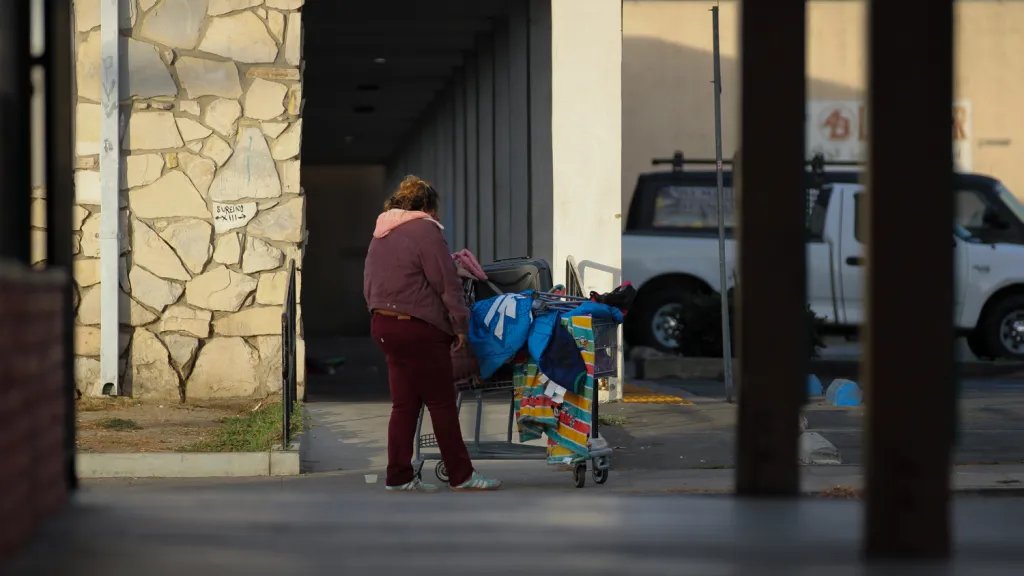
In the dim light of early morning, the streets of Stanton, California, are populated with quiet figures wrapped in layers of tattered blankets. Among them is a woman named Maria, her weathered face a testament to years lost in cycles of poverty and homelessness. As she sorts through a small pile of belongings, she becomes a stark symbol of the struggles faced by over 600 individuals currently dependent on local shelters for survival. Behind the scenes, a controversial decision looms: Orange County supervisors are poised to award a major contract to a nonprofit organization with a mixed track record. The dynamics of this decision will impact not just the shelters, but also the lives of those seeking permanent housing.

PATH to Housing: Challenges in Orange County’s Homelessness Crisis
A Complex Landscape
People Assisting the Homeless, known as PATH, is slated to manage two vital shelters in Orange County—the Yale Shelter in Santa Ana and the Bridges at Kraemer Place in Anaheim. But reports suggest that PATH has consistently fallen short of its own housing goals, especially concerning permanency for residents. A county report from April 2025 reveals that since 2022, the organization has failed to meet its target of transitioning 20% of shelter residents into permanent housing, with a peak achievement of only 16% in 2022.
Failure to Meet Goals
Statistics reflect a troubling reality: only 6% of residents at the shelter have managed to increase their income, compared to a requested goal of 15%. This inadequacy stirs frustration among community advocates and local officials alike. Supervisor Vicente Sarmiento admits the challenge, stating, “The sad reality is that we will not be able to place all those who need assistance into permanent housing, given the shortage of available units in the County.” This sentiment resonates in a county struggling to reconcile immediate needs with systemic limitations.
- Underperformance Indicators:
- Housing Success Rate: Peaks at 16% (2022)
- Income Increase Rate: Only 6% participation
- Future Projections: Hope rests on upcoming supportive housing projects
The Supportive Housing Gap
While PATH manages much of the operational aspects of these shelters, the fundamental issue lies in the county’s deficiency in affordable housing options. A recent study from the Urban Institute highlights that California requires approximately 1.4 million new housing units to effectively tackle its homelessness crisis. The urgent discrepancy underscores that the challenge to get individuals like Maria from homelessness to housing may not lie solely with nonprofit operations but with policy frameworks at a broader level.
Advocacy and Future Steps
Supervisor Katrina Foley echoes this sentiment. She insists on a shift, stating that “next year the situation should be different as more of the county’s permanent supportive housing projects open up.” As county officials promise to enhance access to permanent housing solutions, the burden of waiting remains heavy on those living in limbo. PATH’s representatives defend their position, arguing that they have excelled at enrolling individuals in eligible housing programs, but a lack of available units stifles their success.
The Bigger Picture
The complexities of homelessness necessitate multi-faceted strategies. Experts suggest that outreach programs should prioritize not only housing but also wraparound services like mental health, job training, and social support. “Homelessness isn’t just about having a roof over your head; it’s about providing holistic care,” says Dr. Linda Ortiz, a sociologist specializing in urban poverty. A strategy of comprehensive service offerings may eventually yield better outcomes for the individuals in the system.
The proposed contract under consideration would require PATH to enroll at least 70% of homeless individuals in insurance programs while also connecting them to medical services through the county. This aligns with long-term strategies that seek to integrate healthcare with housing solutions, acknowledging that these are not standalone issues. “They’re just not signed up because they don’t have an address or a phone,” Foley points out while advocating for broader access to CalOptima, the county’s health plan.
As Maria navigates a world fraught with bureaucratic red tape and social isolation, the outcomes of these decisions will ripple through the community. Each statistic represents a life, a story, and a struggle for basic dignity and support.
The reality is harsh: in a system rife with challenges, individuals like Maria are waiting not just for shelter, but for the promise of a tomorrow grounded in stability and hope. As the county deliberates over the fate of PATH, the urgency of the situation remains evident—more than just contracts and metrics, lives hang in the balance.