


Some Dogs in Orange County Have a Harder Time Getting Adopted
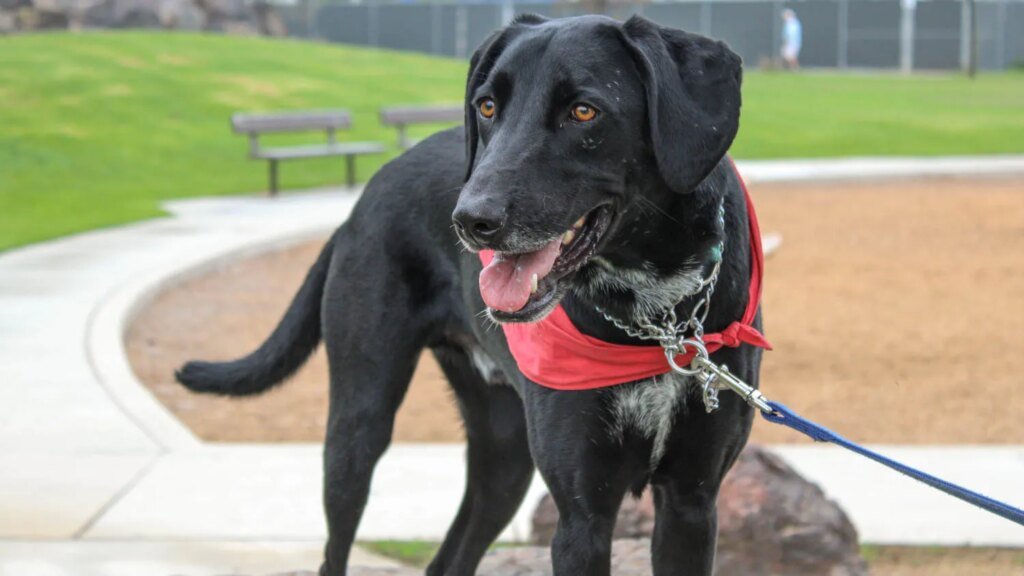
In the heart of Anaheim, a soft rustle accompanies the gentle clink of a dog collar as Murphy, a 2-year-old Labrador and bull terrier mix, watches children play at a park. His affectionate disposition and gentle gaze reveal the personality that could easily charm any family but does not seem to attract potential adopters. For dogs like Murphy, finding a forever home is often far more complicated than it should be.

Facing the Odds: The Underestimated Dogs
Despite the population of pets available for adoption, certain dogs spend an inordinate amount of time in shelters across Orange County. According to a study by the American Kennel Club, black dogs, senior dogs, and those with medical issues face adoption rates significantly lower than their younger, more photogenic counterparts. In fact, data reveals that black dogs can wait up to 85% longer than other breeds for adoption, primarily due to negative biases and outdated myths surrounding their color.
“Black dogs are often seen through a lens of superstition,” explains Dr. Emily Cortez, a veterinary behavioral scientist. “This is not just a problem of visibility; it’s also a matter of perception. Adopting a black dog can unintentionally challenge deeply ingrained cultural beliefs.”
Other characteristics, such as age or medical issues, compound the struggles these dogs face. Senior pets often end up on euthanasia lists simply because they lack the appeal of a bouncy puppy. As Hilary Velardo, a 13-year volunteer for Labradors and Friends Dog Rescue, states, “Our mission is all about rescuing the underdogs. We focus on black, senior, and medical dogs—the ones that are predominantly overlooked in the shelter system.”
Rising to the Challenge: A Local Initiative
In response to these disparities, nonprofits like Labradors and Friends Dog Rescue step in to fill the gaps. The organization, based in Southern California, specializes in pulling at-risk dogs—those facing euthanasia—from shelters in Los Angeles, Riverside, and Orange Counties. Each year, the nonprofit rescues approximately 350 dogs, emphasizing those less likely to find homes on their own.
“Most of our rescues come through fostering,” Velardo elaborates. “Foster families provide the dogs with vital socialization and stability, often reviving their spirits before they find a forever home.”
For many, this fostering experience becomes not just a temporary commitment but a transformative journey. Volunteers can choose to foster a dog indefinitely until they find a suitable adopter or even just for a weekend to help the pet experience life outside a kennel.
Fostering: A Vital Element
The role of fosters cannot be overstated. For a dog transitioning out of a shelter, a warm, loving environment is paramount. Here are a few key benefits of fostering:
- Socialization: Dogs learn how to interact with people and other animals, helping them adjust to their future homes.
- Behavioral Insights: Foster homes can identify personality traits and preferences that are crucial for future adopters.
- Medical Care: Many rescued dogs require treatment, and fosters can ensure they receive timely veterinary checks.
Karen Vaughn, a recent recruit at Labradors and Friends, had her life altered after fostering a dog named Hope. Initially, she aimed to offer assistance temporarily but soon found herself adopting her “foster fail.” “When I met her,” Vaughn recalls, “I saw fear etched into her eyes. She lay flat on the ground and wouldn’t move. By the end of that day, she was in my lap. These dogs have so much love to give despite their pasts.”
Changing Perceptions: The Importance of Advocacy
Understanding and addressing the biases against black dogs is crucial for improving adoption rates. Dr. Cortez advocates for a shift in public perceptions, stating, “Education and community awareness can significantly impact the outlook on these dogs. Highlighting their unique traits and debunking myths can change lives.”
Local advocacy campaigns aimed at celebrating black dogs and promoting the stories of overlooked seniors and those with medical conditions are crucial to spreading the message. Events like “Black Dog Days” hosted by Labradors and Friends help to raise awareness, inviting potential adopters to interact with the dogs while featuring various success stories.
The struggle for adoption is not just about finding a home; it’s about changing societal narratives around what a “good dog” looks like and addressing underlying biases.
Real-Life Transformations
The stories from the foster community illuminate the profound impact of dedicated volunteers. Velardo recalls the transformation of a dog named Marta who initially faced severe anxiety. “For weeks, she was terrified and withdrawn,” she says. “Then one day, I came home to find her wagging her tail, looking me in the eye. I couldn’t help but cry. She was adopted eight months later; watching her blossom was one of the best feelings I’ve ever experienced.”
As adopting or fostering becomes more commonplace in communities, it transforms not only the lives of the animals but also the lives of their human counterparts. More residents are opening their hearts and homes, helping diminish the stigma around less adoptable breeds.
Programs like those at Labradors and Friends exemplify grassroots efforts to engage the community, spotlighting the unwanted yet loveable animals sheltering in the shadows.
As Murphy lounges on the grass, surrounded by laughter and playful antics, one thing is clear: each dog deserves a chance—a chance that may very well depend on the warmth of a caring home and the advocates determined to change their fate.