


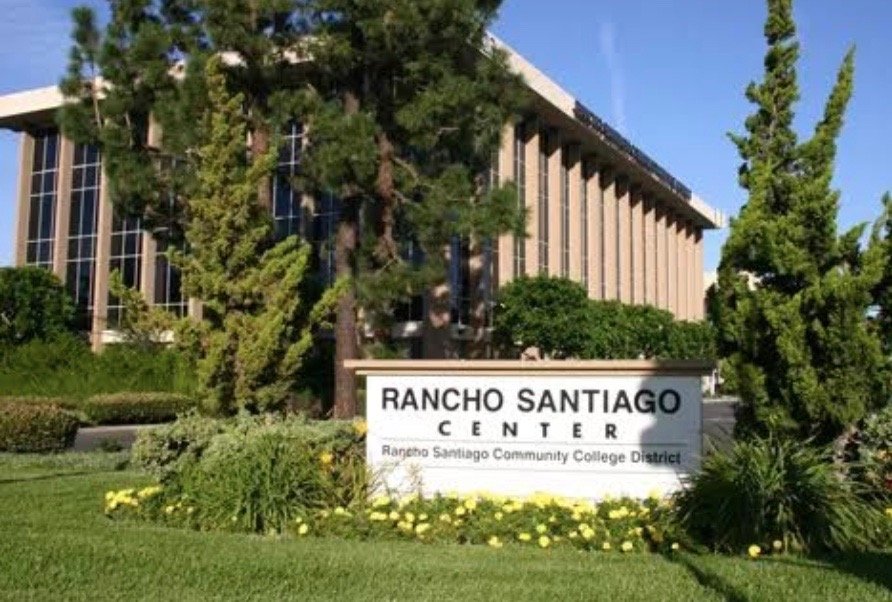
The Rancho Santiago Community College District: A Crisis of Leadership, Accountability and Trust
As the sun set on Orange, California, a palpable tension gripped the halls of the Rancho Santiago Community College District (RSCCD). Just weeks before an April board meeting, internal strife reached a boiling point. Allegations of discrimination, financial mismanagement, and leadership crises were no longer whispers but shouts echoing through the academic institution, impacting staff morale and student trust. At the heart of this turmoil was Chancellor Marvin Martinez, whose leadership faced scrutiny from various factions within the district.

Leadership Under Fire
Months of simmering unrest came to a head when Phil Yarbrough, the newly elected board president and a vocal critic of Martinez’s leadership, found himself embroiled in serious allegations. “This is not just about one person. It’s about the integrity of the entire educational system,” Yarbrough stated during an emergency board session, expressing his concerns about Martinez’s operations involving the Alliance of Schools for Cooperative Insurance Programs (ASCIP), which held secrets concerning $8 million unaccounted for on the district’s books. An internal audit revealed that these funds were known only to Martinez and a close-knit group of administrators.
A Legacy of Distrust
Historical precedence complicates the situation. In a 2022 survey by the Association of Community College Trustees, 67% of respondents listed governance issues as a primary concern. “Trust is the cornerstone of effective governance in educational institutions. When it erodes, chaos follows,” remarked Dr. Linda Wright, a respected educational policy analyst at the Southern California Institute of Education.
- Financial Irregularities: The $8 million revelation
- Allegations of Harassment: Claims against board president Yarbrough
- Internal Investigations: Multiple accusations against Chancellor Martinez and administrators
The financial irregularities alone led some residents to question the fiscal responsibility of the district. “When public funds disappear, accountability must follow,” argues Dr. Sarah Jenkins, an expert in community college oversight. “The longer the board waits to act, the worse the consequences will be.”
Compounding Conflicts
Yarbrough, who had initially fought for transparency, now found himself in the crosshairs of retaliation claims from Martinez. At the very core of this drama lay a complex web of accusations and counter-accusations, bewildering not only the board but also the public. The agenda for the upcoming meeting was emblematic of the chaos, consisting of items focused on staffing outside investigators and hiring legal counsel for Yarbrough amid Martinez’s allegations.
Furthermore, Jeannie Kim, the president of Santiago Canyon College, also lodged complaints against Martinez and another administrator, sparking a parallel investigation. “There’s a systemic problem if faculty members feel unsafe reporting issues,” Kim explained, reflecting on the difficult atmosphere that enveloped RSCCD. “Education should be a nurturing environment, not a battleground.”
The Road to Accountability
Amid all the turmoil, a vital question loomed: Would the board take decisive action against Martinez? A potential vote on his dismissal, hinted at in an agenda item, was a significant point of concern. “It’s a critical juncture,” said Dr. John Hamilton, an educational governance researcher. “The board either continues to allow the situation to deteriorate or finally asserts its authority.”
The April 13 meeting would not merely gauge the board’s response to current allegations but would also set a precedent for the future of governance within RSCCD. “A failure to act decisively now may result in far-reaching consequences—not just for those directly involved but for the entire community,” Hamilton added.
A Disturbing Trend
The turmoil within RSCCD reflects broader issues faced by many community colleges across the country. According to a study published in the Journal of Community College Leadership, governance issues rate among the top reasons for decreased staff morale and increased turnover, significantly affecting educational integrity and student outcomes. The longer institutions delay in addressing such internal conflicts, the more likely they are to face not just reputational damage but also destabilized funding and enrollment.
In interviews with faculty and staff, many expressed fear and hesitation to speak openly about their situation, emphasizing a culture of silence that only fuels distrust. “We can’t be afraid to voice our concerns. This is about our students’ futures,” lamented a long-time faculty member, preferring to remain anonymous due to possible repercussions.
The Final Stand
As the April board meeting approaches, the stakes have never been higher. Communities look toward educational leaders not only for academic guidance but also for ethical standards. The agenda might feature items that sound like procedural moves—investigations, legal counsels, and personnel decisions—but beneath the surface, it symbolizes a crisis of trust that threatens the very existence of RSCCD as a credible institution.
“This is not normal governance. This is chaos,” declared Yarbrough. The implications are significant: in a community where education is meant to inspire and empower, maintaining trust, transparency, and accountability has become not just a lofty ideal but a desperate necessity for survival.