


The Importance of Backup Power for Boating: Keeping Your Adventure Uninterrupted
Imagine this: you’re ready for a day on the water, and you turn the key, only to be met with silence. A dead battery isn’t just an inconvenience; it can signal the end of your boating plans, especially when miles from shore. Unlike cars, boaters often find themselves in remote locations where help is far from immediate. This underscores the importance of having backup power on board.

Understanding Modern Boat Power Needs
Today’s boats are marvels of technological advancement, relying heavily on electrical systems that extend far beyond starting the engine. Modern marine batteries power everything from chartplotters and fish finders to navigation lights, refrigerators, and bilge pumps. As technology evolves, so does the demand for electrical power, and this increased load can rapidly drain batteries. Activities like fishing for hours, leaving lights on overnight, or operating sound systems while anchored can lead to unexpected battery drain. Even environmental factors, such as temperature fluctuations, can affect battery performance, making backup power not just a luxury but a necessity.
The Rise of Portable Jump Starters
To combat the risks associated with drained batteries, many boaters are turning to portable jump starters. These compact, rechargeable devices can save the day by providing enough power to restart an engine when its primary battery fails. With modern designs that fit easily in a boat’s storage, these jump starters kick in with a surge of power when needed, restoring hope and ensuring your boating adventure continues. Many models are versatile, featuring USB ports, built-in flashlights, and even air compressors, making them invaluable not just for boating but for emergency roadside situations as well.
The Case for Spare Marine Batteries
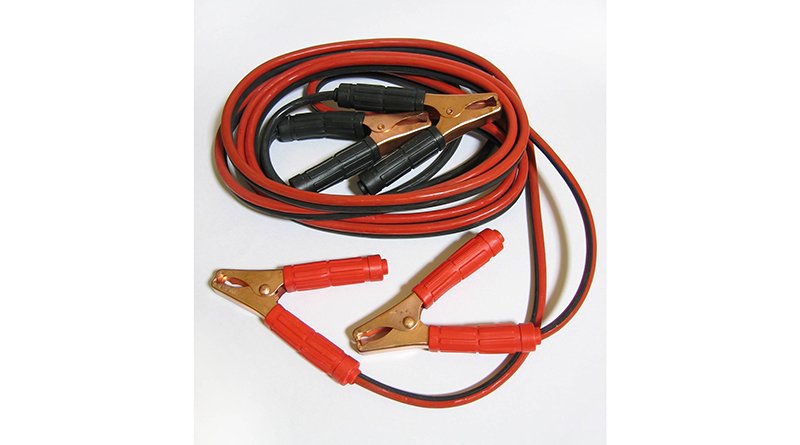
While portable jump starters offer convenience, some boaters opt for a more traditional backup: a spare marine battery. Though bulkier, a fully charged spare battery provides reliable power when the primary battery fails, especially on larger vessels. By using jumper cables or integrating the spare battery into the vessel’s electrical system, even seasoned boaters can maintain smooth sailing. Planning is crucial, as these heavy batteries require safe storage and periodic maintenance, but many find that the peace of mind they provide is worth the extra effort.
Dual Battery Systems for Enhanced Reliability
Another advanced option for boat power management is the dual battery system. By separating engine starting power from auxiliary loads, these systems enhance reliability. Typically combined through a selector switch, boaters can dedicate one battery for engine use while reserving the other for electronics and lights. This system ensures that if one battery runs low, the other remains available for starting the engine. However, managing these systems requires diligence; incorrect settings or mismanagement can lead to issues, which is why many still prefer to have portable jump starters handy as an additional precaution.
The Practical Benefits of Backup Power
The necessity for backup power becomes evident in common scenarios. Long fishing trips with electronics running for hours can lead to drained batteries, while overnight stays can leave a boat’s primary battery powerless by morning. Even inadvertent mistakes – forgetting to turn off deck lights or running livewell pumps – can drain a battery quickly. Jump starters come to the rescue, allowing boaters to launch seamlessly without relying on another vehicle or towing assistance.
Moreover, they can help fellow boaters in distress, becoming a handy tool for communities where helping others is a shared value. A well-charged jump starter can make all the difference by ensuring that minor electrical issues don’t escalate into major problems.
Maintenance and Preparedness: Best Practices for Boaters
While portable jump starters and spare batteries are invaluable tools, they shouldn’t replace regular maintenance and good practices. Keeping battery terminals clean, ensuring connections are secure, and monitoring battery voltage levels can preempt potential issues. Many boaters also use onboard battery chargers or solar panels for maintaining charge levels while docked. Research indicates that most marine batteries last three to five years, making it essential to replace aging batteries before they fail.
Ultimately, having a backup plan helps safeguard against unexpected failures, ensuring that your day on the water remains enjoyable and stress-free. Whether investing in a portable jump starter or a spare marine battery, these practical tools are a boon for any serious boater.
For more information on choosing the right marine batteries or to purchase portable jump starters, explore reliable resources like West Marine and BoatUS.
By respecting the fundamentals of battery maintenance and preparation, you’ll ensure that when the key turns and the engine roars to life, the importance of these backup tools will be clear as day. Happy boating!
This article is based on reporting from thelog.com.
The original version of the story can be found on their website.
Original Source:
thelog.com
Image Credit: thelog.com ·
View image