


Protecting California’s Waterways: New Grant Funding to Combat Invasive Mussels
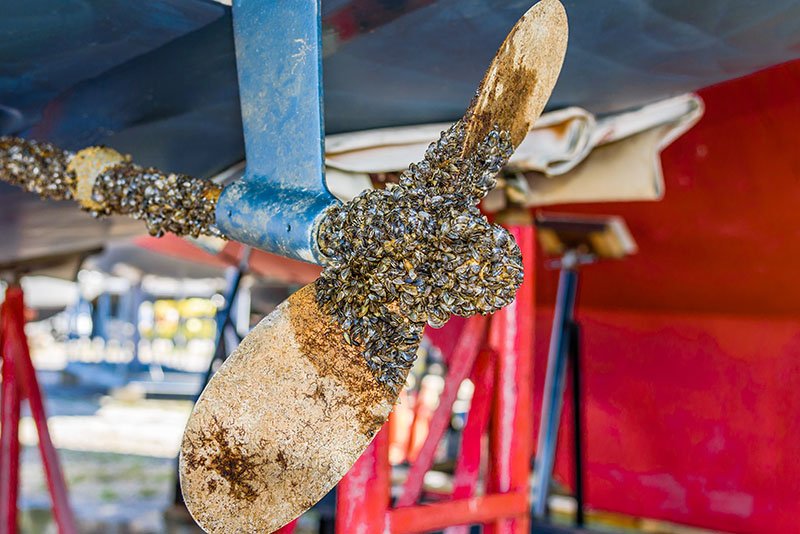
California is taking significant steps to preserve its beautiful waterways through the newly announced Quagga and Zebra (QZ) Mussel Infestation Prevention Grant Program. Funded via the California Mussel Fee Sticker, often referred to as the Quagga Sticker, this initiative aims to allocate up to $2 million towards preventing the spread of harmful invasive species like quagga and zebra mussels. These mussels pose a substantial threat to the state’s aquatic ecosystems, recreational boating, and fishing activities.

Grant Program Details and Application Timeline
The application period will commence on March 9, 2026, and end on April 17, 2026, at 5:00 PM PDT. Eligible applicants for these grants include entities that manage or oversee water resources at qualifying reservoirs that are currently mussel-free and open for public recreation. It’s important to note that reservoirs currently receiving funding through a two-year 2026 grant will not be eligible for this application cycle. The initiative emphasizes proactive measures, supporting programs such as watercraft inspection stations, launch monitors, and educational outreach campaigns.
Educational Workshops for Better Understanding
To raise awareness about invasive species prevention among both prospective grant applicants and the general boating public, the Division of Boating and Waterways (DBW) will host a free virtual Freshwater Aquatic Invasive Species Prevention Workshop on March 26, 2026. This event aims to equip attendees with practical knowledge on how to recognize and combat the spread of aquatic invasive species before they infiltrate uninfected waters. By joining the workshop, participants can learn about various invasive species—including quagga and zebra mussels—and effective management strategies.
Collaborative Multi-Agency Approach
This educational workshop reflects a multi-agency collaboration involving DBW, the California Coastal Commission, and the California Department of Fish and Wildlife, among others. The workshop will not only cover the environmental and economic impacts of invasive species but also consist of technical guidance on how to properly inspect, clean, drain, and dry watercraft and equipment. Interested participants must register in advance to secure a spot in the workshop.
Grant Application Process and Funding Insights
Prospective applicants seeking grant funding can gain insights through an informational webinar scheduled for March 13, 2026. This session will outline eligibility requirements and application expectations for the QZ Mussel Infestation Prevention Grant Program. Following the grant submission period, applications will be reviewed by DBW in collaboration with the California Department of Fish and Wildlife, with funding decisions expected to be announced by July 2026. Since its inception in 2014, this program has funded multiple projects, allocating $28.8 million across 123 projects at 71 unique reservoirs, significantly reducing the potential spread of these invasive mussels.
The Threat of Quagga and Zebra Mussels
Quagga and zebra mussels are regarded as some of the most destructive aquatic invasive species in North America. Once established, they can severely disrupt aquatic food webs, degrade fisheries, and escalate maintenance costs for marinas and water delivery systems. Kevin Murphy, CIG Information Officer at California State Parks, emphasizes the necessity of preventing these infestations as they can create operational and safety challenges for both recreational boaters and marina operators. For individuals who enjoy spending time on California’s waterways, it is crucial to follow preventive measures like the Clean, Drain, and Dry procedures before leaving any waterbody.
Staying Informed and Contributing to Prevention Efforts
Finally, individual boaters play a crucial role in the prevention of invasive species transference. Compliance with inspection protocols and state regulations can help maintain the integrity of California’s waterways. DBW is committed to sharing educational resources on how boaters can effectively contribute to conservation efforts. By accessing the DBW website, individuals can learn more about inspection requirements and other essential preventive measures.
Through ongoing educational initiatives, grant funding, and inter-agency cooperation, California is reinforcing its commitment to the protection and preservation of its invaluable freshwater resources. Invasive species prevention remains a top priority for maintaining the ecological health and recreational enjoyment of the state’s beloved lakes and rivers. For more information on the QZ Mussel Infestation Prevention Grant Program and upcoming educational events, visit DBW’s official site.
This article is based on reporting from thelog.com.
The original version of the story can be found on their website.
Original Source:
thelog.com
Image Credit: thelog.com ·
View image