


Understanding Sculpins: Nature’s Intriguing Ambush Predator
When it comes to unique fish species, sculpins hold a remarkable position in the underwater world. Their formidable appearance might evoke thoughts of ancient aquatic creatures, but their real mastery lies in their predatory behaviors and survival strategies. This article explores the reasons why sculpins excel as ambush predators rather than swimmers, delving into their anatomy, camouflage techniques, and culinary appeal.

Built for the Bottom
Sculpins lack a swim bladder, a feature that many fish use to float effortlessly in water. Instead, they are natural sinkers, preferring to reside on the ocean floor among rocky reefs and structures. This anatomical trait equips them to remain stationary and await unsuspecting prey. Their sedentary nature is not a flaw; it is an adaptation that allows them to inhabit environments rich in potential meals, positioning themselves as expert ambush predators. To learn more about their habitat, visit the National Oceanic and Atmospheric Administration.
Exceptional Ambush Techniques
Sculpins have evolved to rely on short, explosive movements instead of sustained swimming. They employ quick lunges to capture creatures like crabs, shrimp, and small baitfish, then return to their stationary position. This unique hunting strategy is akin to “snatching” rather than “pursuing,” allowing sculpins to maximize their energy efficiency while ensuring success in the face of increasingly competitive environments.
Masters of Camouflage
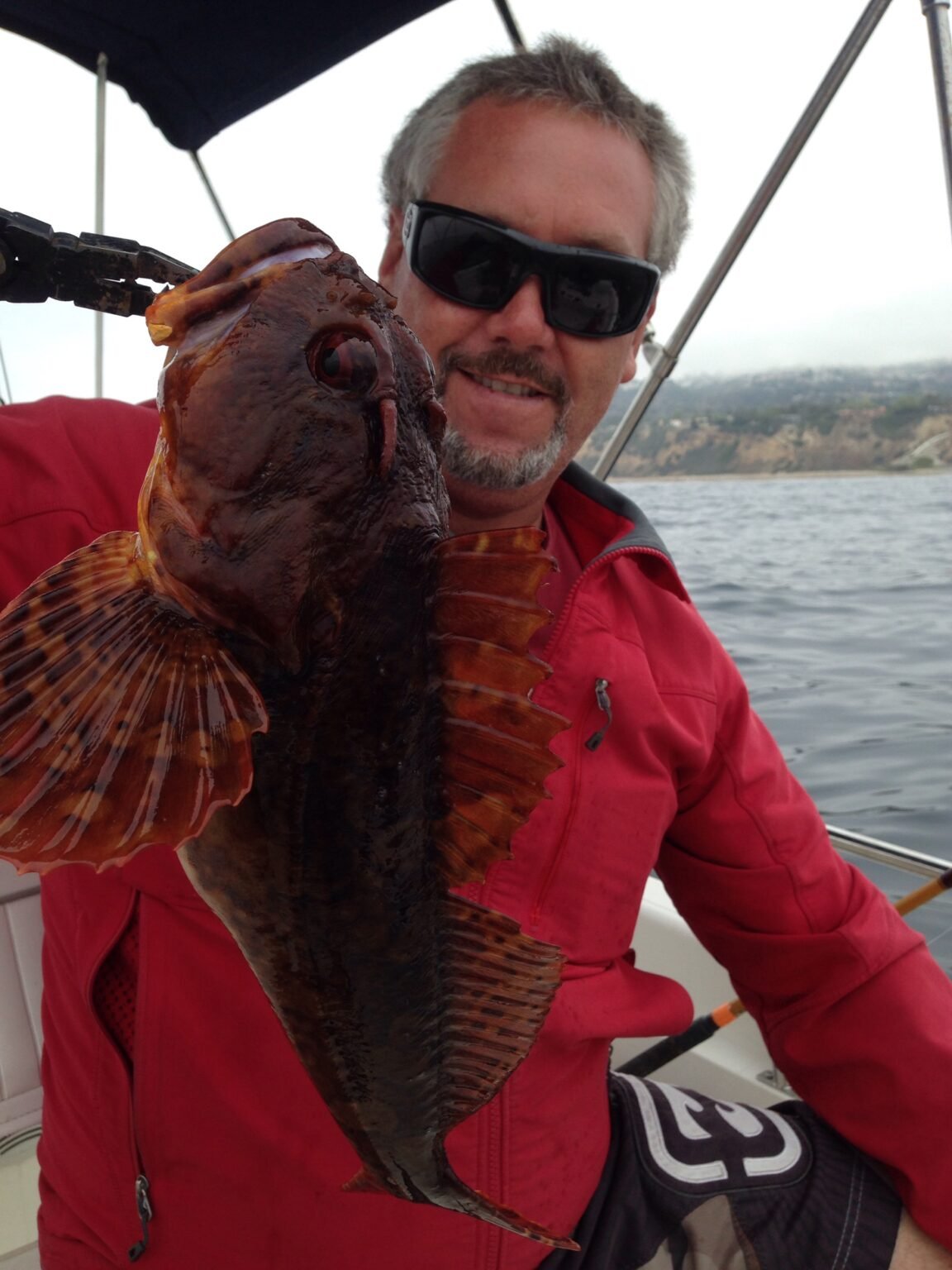
Another fascinating aspect of sculpins is their incredible camouflage. Their mottled patterns in shades of reds, browns, and oranges enable them to blend seamlessly into their rocky habitats. This skill allows sculpins to remain hidden until prey comes within striking distance. Why swim fast when you can become almost invisible? This evolutionary advantage not only enhances their hunting success but also aids in evading predators, contributing significantly to their long-term survival in the wild.
Stabilizers, Not Flyers
While sculpins possess large pectoral fins that may look like wings, their design serves a very different purpose. Rather than enabling flight, these fan-like fins provide stability on the ocean floor and help them "walk" along substrates. This unique functionality allows them to maneuver precisely in rocky terrains, showcasing their remarkable adaptations for life at the bottom. For more insights into their anatomical features, you can refer to the FishBase.
Venomous Yet Delicious
Sculpins are venomous creatures, equipped with sharp dorsal spines that can deliver a painful sting. However, the venom is localized and poses no risk once the fish is properly cleaned. Interestingly, they are also considered recreationally valuable among anglers, regarded as one of the best-eating fish in Southern California. Their savory meat finds its way into various culinary delights, from ceviche to tacos and pan-seared fillets.
Culinary Appeal
With a firm, white meat that offers a mild taste, sculpins are a favored choice for seafood lovers. Many anglers attest to their flavor, putting them on par with popular fish like halibut and white seabass. This high culinary appeal further adds to their popularity among fishermen, providing not only a thrilling catch but also a satisfying meal. For recipes and cooking tips, you can check out Seafood Nutrition.
In conclusion, while sculpins may not excel in swimming, they are exceptional predators. Their evolutionary adaptations—such as being bottom-dwellers, masters of camouflage, and possessing tasty flesh—make them intriguing not just to ecologists and anglers alike but also to gastronomy enthusiasts. Whether you’re fishing for sport or looking to savor a delectable seafood dish, sculpins undoubtedly offer a unique experience worth exploring.
This article is based on reporting from thelog.com.
The original version of the story can be found on their website.
Original Source:
thelog.com
Image Credit: thelog.com ·
View image