


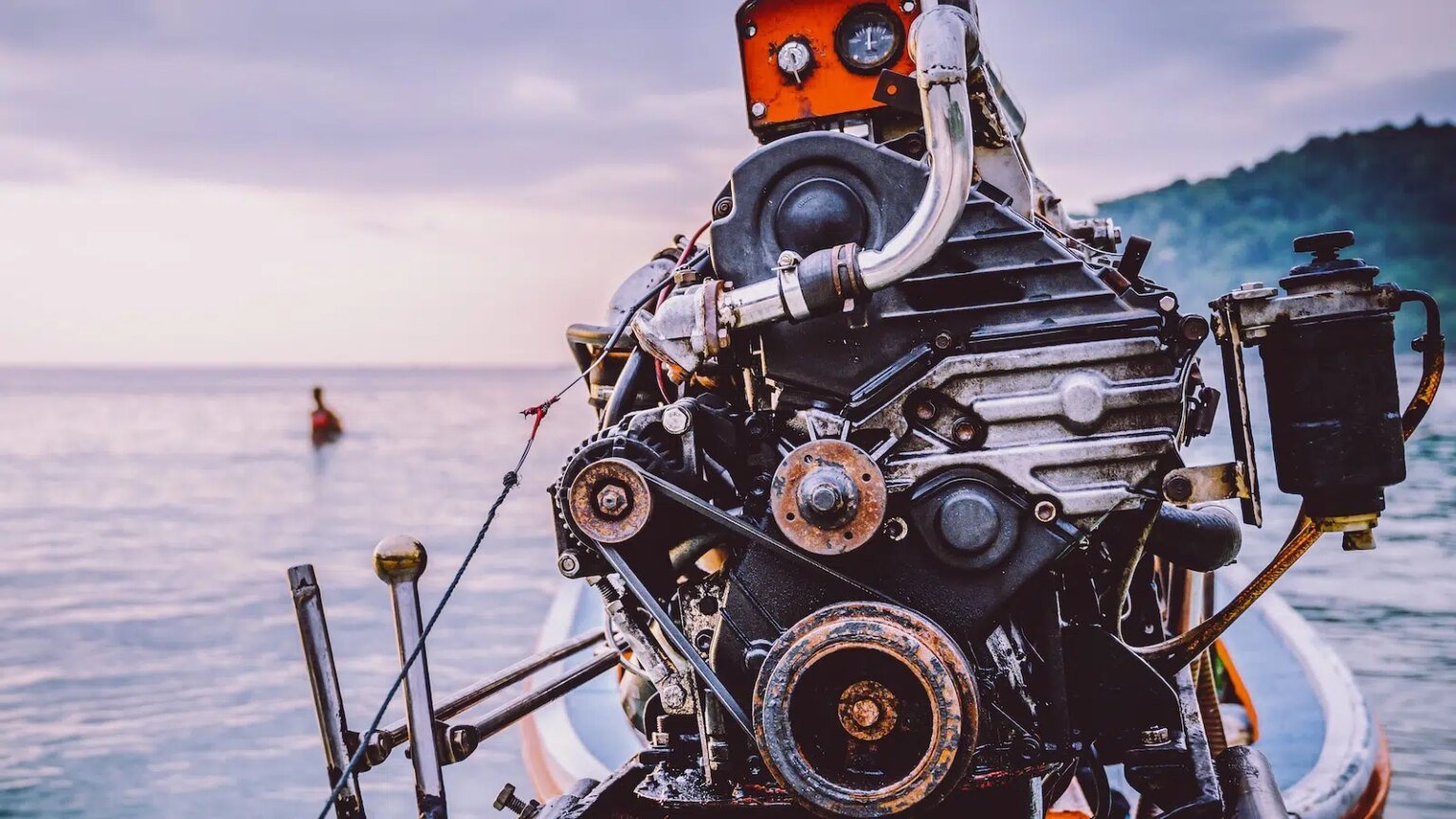
Petrol vs. Diesel Engines: Making the Right Choice for Your Boat
Choosing the right engine type for your boat can have significant long-term implications on performance, fuel efficiency, and overall costs. While the decision is straightforward for outboard motors—since they are predominantly petrol-powered—it’s a more complex consideration for sterndrive units. This article explores the key factors to consider when deciding between petrol and diesel engines for marine use, helping you make an informed choice that aligns with your boating habits and financial considerations.

Understanding Engine Hours and Fuel Consumption
A crucial first step in evaluating engine options is estimating your expected engine hours per year. On average, boat owners use their engines for around 40 hours annually. This figure represents only the operational usage, not the total time spent on the water. For those planning to operate their boats at speeds of around 30 knots, the difference in fuel consumption can be striking. For example, a petrol engine may consume approximately 30 liters more fuel per hour than a diesel engine in similar conditions. This discrepancy can accumulate quickly; over a season, you might find yourself using an additional 1,200 liters of fuel, translating to around €2,300 in extra fuel costs annually.
Evaluating Purchase Costs
When considering operational costs, you also need to weigh the initial purchase price of the engines. Diesel engines typically come with a significant upfront cost—around €40,000 plus VAT more than comparable petrol engines. Given the fuel efficiency of diesel, some may expect to recover this investment over time. However, if you’re only logging around 40 engine hours per year, breaking even on the higher initial cost could take upwards of 20 years—far longer than most boat owners would prefer. For further insights into engine costs, you can explore resources like This Old Boat.
Safety Considerations
One reason some boaters may lean toward diesel engines is safety. Traditionally, petrol has been associated with volatility, although modern advancements have made substantial improvements in this area. Today’s engines utilize fuel injection methods, minimizing the risk of petrol evaporation. Furthermore, most modern boats are equipped with efficient ventilation systems and sensors to detect any petrol vapors, significantly enhancing safety on board. For safety tips while boating, visit US Coast Guard.
Impact of Usage Intensity
As your boating habits change, so too can your choice of engine. If you’re using your boat more intensively—perhaps approaching or exceeding 100 engine hours yearly—the scale may tip in favor of diesel engines. The economy of diesel fuel can be significant when multiplied over more extensive usage. Additionally, if you plan to use your boat as a tender for a larger vessel, sharing fuel stock from the mother ship may make diesel a more practical choice.
Resale Value and Retention
Another factor worth considering is the resale market. Diesel-powered boats often retain their value better than those with petrol engines, a crucial consideration if you plan to upgrade in the future. Boats with high engine usage tend to draw more interested buyers if they are diesel-fueled. For those curious about the current market values, websites like Boat Trader can be useful resources.
Conclusion: Making the Best Choice for Your Needs
In summary, the decision between petrol and diesel engines should be determined by your anticipated usage and specific needs. For lower annual usage (around 40 hours), petrol engines can be ideal due to their lower purchase price and acceptable fuel consumption. However, for those expecting to log more hours, favoring diesel can provide long-term benefits and efficiency. Understanding these variables can lead to a more fulfilling and economical boating experience, setting you up for enjoyment on the water for years to come.
For more information on engine options and to explore the pros and cons of each type, check out this comprehensive guide to marine engines. Happy boating!
This article is based on reporting from www.yachtingnews.com.
The original version of the story can be found on their website.
Original Source:
www.yachtingnews.com
Image Credit: www.yachtingnews.com ·
View image