


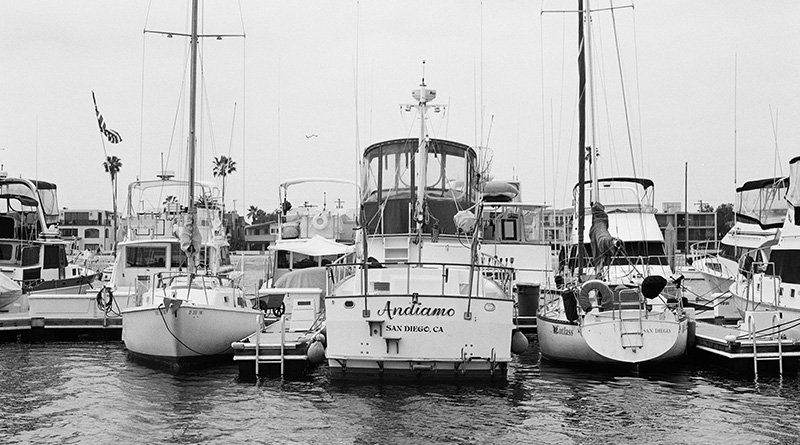
Shore Power Initiative: A Greener Future for San Diego’s Fishing Community
San Diego Bay is taking significant strides towards reducing air pollution while enhancing the operational efficiency of its commercial fishing sector. The Port of San Diego has initiated a groundbreaking shore power project aimed at electrifying the waterfront, specifically tailored to serve the fishing community at Fish Harbor Pier. This initiative not only aligns with environmental regulations but also emphasizes the historical and economic significance of the commercial fishing fleet in the region.

Overview of the Shore Power Project
On March 10, 2026, the Port of San Diego Board of Port Commissioners granted a $1.4 million construction contract to GQ Builders, Inc. for the installation of shore power systems at Fish Harbor Pier, a vital docking location for commercial fishing vessels. This project marks a pivotal step in the port’s ambitious electrification strategy designed to improve air quality and ensure compliance with stringent environmental regulations, as set forth by the California Air Resources Board.
The new shore power system will introduce three connection points, enabling multiple vessels to plug into a land-based electrical network while docked. This transition will allow boats to power down diesel auxiliary engines, thereby diminishing harmful emissions and enhancing the sustainability of maritime operations in San Diego Bay.
Environmental Benefits and Emission Reductions
The implementation of shore power technology represents a vital step toward reducing air pollution levels in and around San Diego Bay. By allowing vessels to draw power from the shore instead of idling on-board engines, harmful pollutants such as nitrogen oxides (NOx), diesel particulate matter (DPM), and greenhouse gases will considerably decline. According to Michael LaFleur, Chief Operations Officer at the Port, this project is instrumental in supporting not only local air quality improvement but also aligning with broader environmental goals outlined in statewide emission reduction targets.
Furthermore, the advantages of this initiative extend far beyond the vessels themselves. By curtailing emissions from the commercial fishing fleet, nearby communities and visitors will benefit from enhanced air quality, reduced noise pollution, and decreased vibration levels along the waterfront.
Supporting the Commercial Fishing Industry
While the shore power project is rooted in environmental responsibility, it also underscores the essential economic role San Diego’s fishing community has played historically. Ann Moore, a port leader, highlighted that the shore power installation at Fish Harbor Pier is a substantial investment aimed at helping commercial fishermen meet evolving environmental standards while maintaining operational efficiency. The goal is to enable the fishing industry to thrive within the regulatory framework set forth by the California Air Resources Board.
By providing essential shore power infrastructure, the Port of San Diego not only affirms its commitment to clean air but also ensures that the commercial fishing fleet remains a viable part of the region’s blue economy.
Modernizing Infrastructure for Future Compliance
The new shore power systems will play a crucial role in helping vessel operators meet the requirements established under California’s at-berth emissions regulations. These regulations mandate that specific vessel classes reduce emissions while docked at state ports. By adopting technologies such as shore power, operators can achieve compliance with these regulations more effectively.
The comprehensive cost of the project, including engineering and design elements, is estimated to reach approximately $1.8 million, with construction slated to commence in April 2026 and conclude around October 2027. During this period, collaboration with the San Diego Fishermen’s Working Group will be vital to minimize disruptions in fishing activities and ensure smooth operational adjustments during construction.
A Step Towards Clean Maritime Operations
The shore power initiative at Fish Harbor Pier is just one among many electrification projects proliferating along California’s coast. By prioritizing the electrification of vessels, ports can drastically reduce emissions, thereby improving air quality for surrounding communities. Not only does this initiative reflect the ongoing effort to modernize the infrastructure of San Diego’s working waterfront, but it also serves as a model for other state ports seeking to meet clean air goals.
The installation of shore power facilities supports the Port’s broader Maritime Clean Air Strategy, which focuses on lessening air pollution from various maritime sources, including cargo handling equipment, trucks, and other port-related activities. As San Diego aligns its maritime operations with environmental expectations, the shore power project exemplifies a balanced approach to preserving the integrity of the commercial fishing sector.
Conclusion: A Sustainable Future for San Diego Bay
As the construction of the shore power project progresses, it symbolizes a commitment to maintaining San Diego Bay’s rich legacy while embracing a more sustainable future. The ability for commercial fishing vessels to utilize shore-based electricity is not only a step towards lower emissions but also an essential move to preserve the economic and cultural significance of the commercial fishing community.
With future regulations on the horizon, the installation at Fish Harbor Pier represents a proactive approach towards ensuring that San Diego’s fishermen can adapt effectively while continuing to contribute to the region’s heritage. The port’s efforts to blend environmental sustainability with its historical working waterfront underline its mission to foster both a healthy ecosystem and a thriving maritime economy. For more information on the Port of San Diego’s initiatives, visit Port of San Diego.
This article is based on reporting from thelog.com.
The original version of the story can be found on their website.
Original Source:
thelog.com
Image Credit: thelog.com ·
View image