


Lightning Protection for Sailors: Keeping You Safe at Sea
For sailors, the open sea is both a paradise and a peril. Among the myriad concerns, the fear of falling overboard often rivals the anxiety of being struck by lightning. While the latter may seem rare, understanding how lightning interacts with sailing vessels is vital for ensuring safety and preserving electronics. This article explores the risks associated with lightning strikes at sea and offers practical solutions to mitigate these dangers.

Understanding Lightning Strikes at Sea
Lightning strikes at sea are not as uncommon as one might believe, especially in tropical regions such as the coasts of Mexico and Central America. Sailors are particularly vulnerable due to their vessels’ conductive materials like aluminum masts and stainless steel rigging. As the storm grows, the negative charge in clouds seeks the shortest path to the ground—often through the saltwater beneath or the elevated mast of a vessel. Experiences shared by sailors, such as an unexpected strike during a voyage through the Bay of Panama, illustrate how quickly situations can escalate, leading to significant vessel damage.
The Odds Are in Your Favor
While many worry about lightning strikes, statistics provide some reassurance. The probability of a sailor being struck directly is relatively low, and of those who are, around 90% survive the encounter. Nonetheless, precautions are essential, particularly since the majority of lightning-damaged vessels are sailboats. Mitigation strategies should not only focus on crew safety but also on safeguarding valuable onboard electronics and systems.
Essential Lightning Protection Strategies
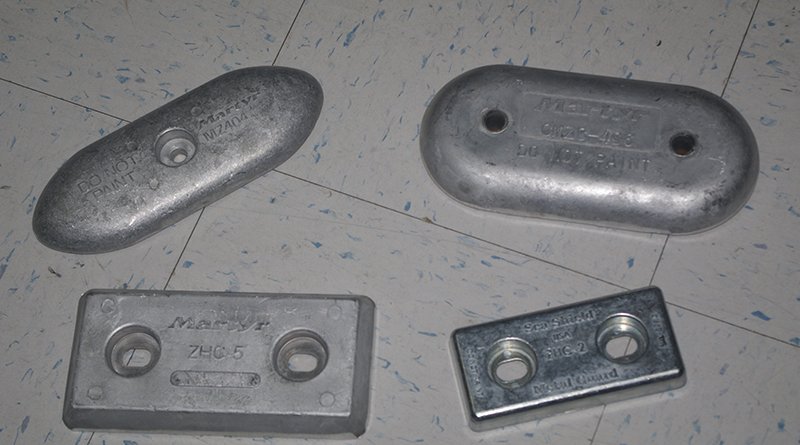
Protecting your vessel from lightning begins with proper bonding practices. All thru-hulls, including deck drains, standing rigging, and engine raw water intakes, should be connected with copper wire to distribute electrical energy more evenly. This helps minimize damage when strikes do occur. Additionally, consider installing a grounding plate or zinc anode on the bottom of the hull to complete the lightning dissipation path. Make sure to replace any worn-out zinc anodes during haul-outs for continued efficacy.
Traditional Lightning Protection Devices
Older forms of lightning protection, such as masthead lightning rods, remain effective for sailors. These simple yet powerful devices provide a direct path for lightning to be grounded. Brands like Forespar, L-Com, and Rohn Products offer affordable options, usually under $100. Beyond traditional rods, modern alternatives like lightning static dissipaters can also reduce risk. These devices allow for contact with accumulated electrical charges without posing a threat to the vessel or its crew.
Advanced Lightning Protection Technology
For more sophisticated protection, consider investing in microprocessor-controlled shunts that can absorb and dissipate lightning energy before it reaches your sensitive equipment. An industry leader in this field is EMP Shield, which offers shunts designed for various marine applications. Their products are suitable for numerous electrical systems, including engine power cables and navigation devices, typically priced under $500. Utilizing such technology can significantly enhance the safety and functionality of your electronics during storms.
Peace of Mind for Sailors
Equipping your vessel for lightning protection is not just about preventing damage—it’s about peace of mind. Safeguarding both crew and equipment from potential lightning strikes allows sailors to focus on the beauty of the open sea rather than the looming storm clouds. Take proactive steps by ensuring proper bonding, installing grounding plates, and considering advanced protective devices. With these precautions, you can confidently navigate lightning-prone waters while keeping you and your cherished vessel secure.
For further information on how to protect your vessel and crew from lightning, visit reputable marine safety resources or consult local sailing communities. Being informed and prepared will enable you to enjoy your nautical adventures without fear.
This article is based on reporting from thelog.com.
The original version of the story can be found on their website.
Original Source:
thelog.com
Image Credit: thelog.com ·
View image