


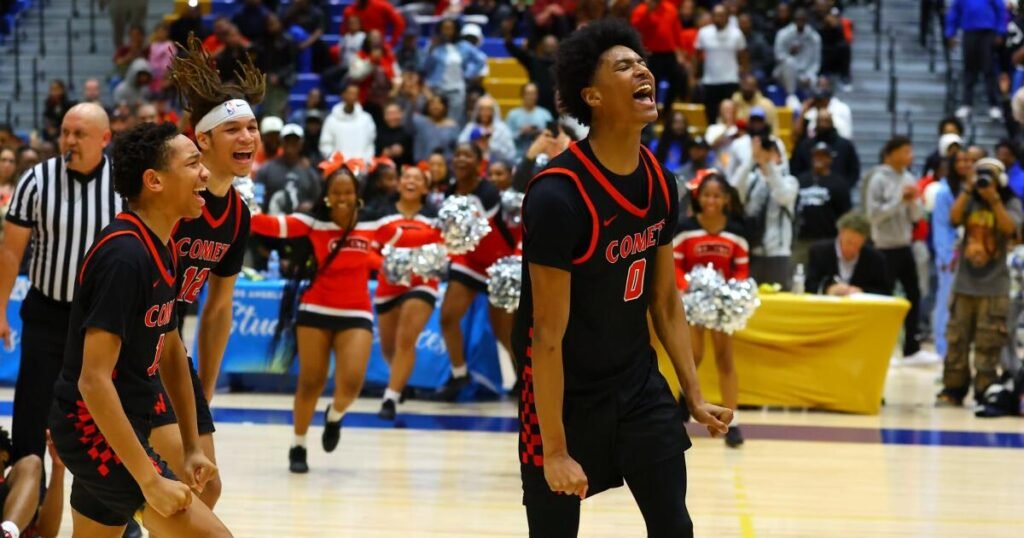
The Decline of City Section Basketball: A Call to Action
City Section basketball, once a cornerstone of Southern California’s high school sports scene, has seen a significant decline in talent and participation, prompting the need to reflect on its current state. With a nod to folk music legends Peter, Paul, and Mary, we could harmoniously ask, “Where Have All the Players Gone?” This question arises poignantly as we consider the rapid changes that have contributed to this decline, just one year after stars like Alijah Arenas and Tajh Ariza graced the courts. The nostalgia of previous champions mixes with the frustration of current struggles, creating a poignant narrative of lost potential.

Historical Context and Recent Talent Exodus
Historically, schools like Westchester, Crenshaw, Taft, and Fairfax produced Hall of Fame talents and high-achieving teams, showcasing a legacy built over decades. Coaches such as Ed Azzam, Willie West, and Harvey Kitani not only achieved numerous championships but also cultivated future NBA stars. With the departure of exceptional players like Arenas and Ariza, who transitioned to collegiate play, we must analyze the systemic changes that have led to a stark decline in talent. The legacy schools, previously institutions of glory, are now shadows of their former selves, struggling to attract and retain top players.
Structural Changes and Their Impact
The structural changes within the Los Angeles Unified School District (LAUSD) have undeniably played a role, with the rapid opening of new schools diluting the once-proud legacy of established institutions. Additionally, the emergence of charter and private schools has siphoned off dedicated athletes, exacerbating the talent gap. Veteran coaches, feeling overwhelmed by bureaucracy and discouraging mandates, have left their posts, contributing to instability within programs. The collective impact has created a perfect storm for City Section basketball, leading to a significant decline in competitive quality.
The Current Landscape
Today, the situation appears grim. Teams like Westchester, currently struggling with a 2-8 record, serve as a microcosm of the larger crisis. Notably, their top talents have transitioned to other programs, indicative of the systemic challenges at play. Meanwhile, King/Drew made a fleeting mark by winning a City Open Division title but faces struggles in retaining homegrown talent. As long-standing teams grapple with recruitment and retention of athletes, it becomes clear that revitalizing the City Section is critical for fostering future stars.
The Role of Charter Schools and Demographic Shifts
Charter schools such as Birmingham, Palisades, and Granada Hills are setting new precedents in City Section sports, outpacing traditional powerhouses. With no enrollment boundaries, these schools can attract talent more freely, offering a diverse array of sports programs enriched by transfer students. Demographic changes in the inner city have altered the competitive landscape, as legacy schools must adjust to newer coaching dynamics and shifting student populations. This competition for talent creates an uphill battle for historically significant programs that were once unbeatable.
Hope for the Future
Despite the daunting challenges, there remains hope for a resurgence in City Section basketball. It is crucial for coaches, administrators, and parents to invest in programs that emphasize both athletic success and preparation for future opportunities in college and life. By recruiting passionate and integrity-driven coaches and developing systems that support player retention, the City Section has the potential to reestablish itself as a breeding ground for basketball talent. Community involvement and support are essential in rejuvenating a once-thriving basketball culture.
Conclusion: Answering the Call
As we sing the refrain of “Where Have All the Players Gone?” we must also work toward a solution. The legacy of City Section basketball deserves preservation and revitalization. It calls for collaborative efforts from the LAUSD, coaches, and parents to create an environment that attracts and retains talent. Only through a shared commitment to nurturing young athletes and fostering an inspiring basketball culture can we begin to reverse the trends that have dictated the narrative of City Section basketball in recent years. The potential for greatness is still within reach, and it’s time to answer the call for action.
This article is based on reporting from www.latimes.com.
The original version of the story can be found on their website.
Original Source:
www.latimes.com
Image Credit: www.latimes.com ·
View image