


The State of High School Soccer: Navigating Challenges and Opportunities
As another high school soccer season kicks off, the landscape is rapidly changing for players in Southern California. With many boys’ and girls’ players shifting back and forth between high school teams and elite club programs, coaches find themselves regularly confirming rosters. This dynamic environment reflects the multitude of options available to elite players, where high school soccer often takes a back seat to commitments from USA Soccer, various club teams, and college programs. The case of Santa Margarita’s standout players—goalkeeper Peyton Trayer and forward Coral Fry—illustrates how these complexities are shaping the future of youth soccer.

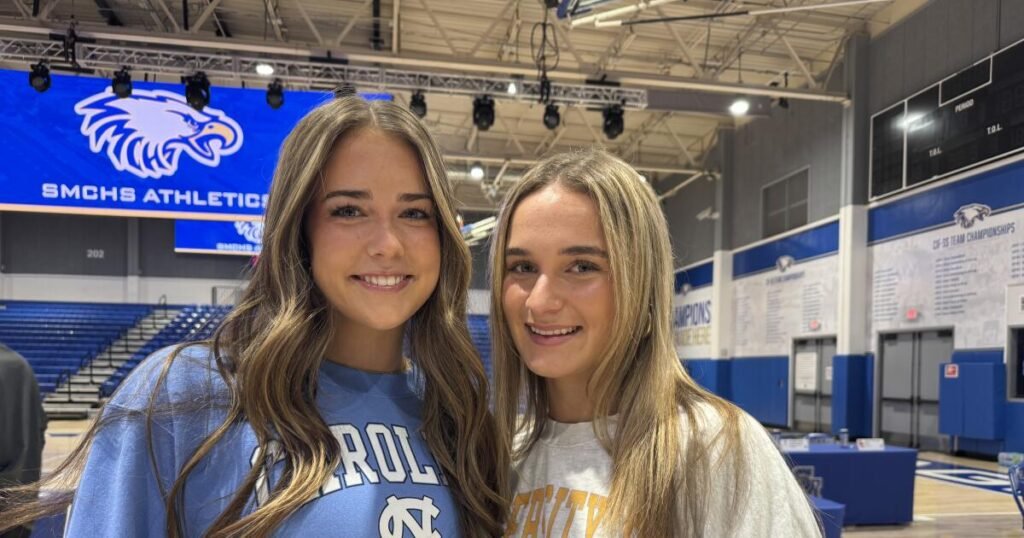
Trayer and Fry were instrumental in leading Santa Margarita to a Southern Section Open Division championship as juniors. However, they plan to leave the high school squad early to join their respective college programs—North Carolina and Tennessee—this January. Both players expressed the benefits of starting college in the spring. Trayer believes that getting acclimated and training with her future team will give her an edge for her freshman season. Fry echoed these sentiments, noting that heightened training will significantly enhance her readiness for collegiate competition.
The ongoing conflicts between high school and club commitments have raised eligibility issues. Last season, Trayer and three other players found themselves ineligible when they participated in a pro team training session in Brazil, violating the CIF bylaw 600. This regulation prevents players from participating in both club and high school teams during the same season. The growing prevalence of USA Soccer commitments and club teams’ policies limiting dual participation has led to significant challenges for athletes. Santa Margarita coach Craig Bull notes that the influence of professional clubs contributes to this dilemma, leading to many players opting out of high school soccer altogether.
The competitive environment extends beyond Santa Margarita. Harvard-Westlake has previously faced similar talent drain issues, particularly with the Thompson sisters, Alyssa and Gisele, who turned pro before completing high school. Coach Richard Simms highlights the abundant talent in Southern California and the implications for high school teams. The Wolverines are fortunate this season to have their leading scorer, Kaia Santomarco-King, and goalkeeper Sasha Selvaggio available, contributing to the competitiveness of the league.
On the boys’ side, challenges persist as schools coordinate game schedules around significant club tournaments. Loyola coach Chris Walter addresses the unfair predicament faced by student-athletes who must choose between high school and more lucrative club commitments. Loyola’s star, Cody Davis, is among the players who have opted out of high school soccer entirely, choosing to focus on his club career and future at Loyola Marymount. Similarly, players like Robert Mejia are stepping in to fill gaps left by those pursuing professional opportunities.
Despite the talent departures, many athletes remain committed to showcasing their skills during the high school season. Teams like El Camino Real and Birmingham are looking to reignite their rivalry for the City boys’ title, while Cathedral boasts nine returning players, including Peter Cornejo, who recently represented El Salvador in the under-17 World Cup. The upcoming nonleague match between Loyola and Cathedral adds another layer of excitement to the season.
Amid these complexities, CIF officials and coaches must develop strategies to ensure elite players can continue to participate in high school soccer. CIF Executive Director Ron Nocetti acknowledges the difficulty of amending bylaw 600 due to its broad impact across all sports. However, as experienced players like Trinity Rodman, who chose not to participate in high school soccer, exemplify, the need for a balanced approach to maintain love for the game at both club and school levels is crucial. Coach Bull’s assertion that players appreciate both experiences emphasizes the necessity for solutions that benefit the athlete’s holistic development.
In summary, the evolving landscape of high school soccer in Southern California presents unique challenges and opportunities for players, coaches, and families. The pressure to join elite club teams and professional programs has led to significant changes in participation rates, reshaping the sport at the high school level. By addressing eligibility concerns and fostering a united approach, the soccer community can work toward preserving the integral experience of high school soccer while recognizing the aspirations of athletes striving for greatness.
This article is based on reporting from www.latimes.com.
The original version of the story can be found on their website.
Original Source:
www.latimes.com
Image Credit: www.latimes.com ·
View image