


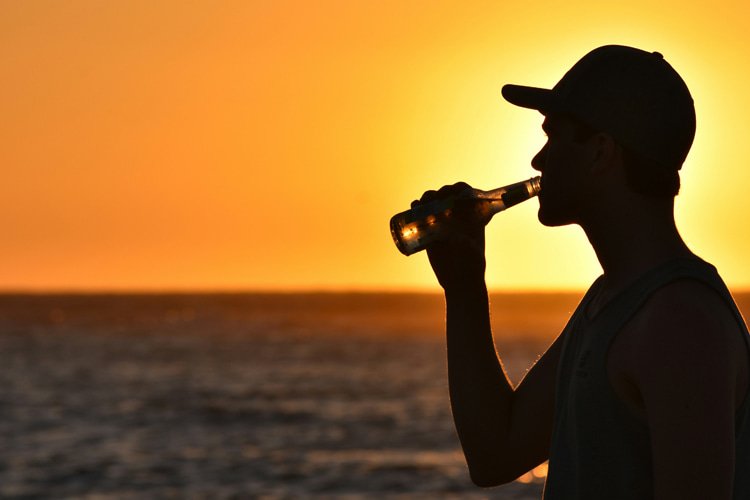
Surfing and Alcohol: A Deep Dive into the Culture and Its Impact on Performance

Surfing has long been associated with a laid-back lifestyle, where sun, saltwater, and relaxation seamlessly merge. This idyllic scenario often encompasses social activities that include alcohol consumption—a connection that has been historically entrenched in surf culture. Surf historian Matt Warshaw describes this relationship as reminiscent of various sporting or recreational cultures, where a cold beer has become a cherished ritual for many surfers. However, while this tradition may seem benign, the implications of alcohol consumption on surfing performance and health are substantial and should not be overlooked.
The Historical Ties Between Surfing and Alcohol
For decades, alcohol has been woven into the fabric of surf culture, featuring heavily in both social scenarios and commercial sponsorships. Major beer and liquor brands like Foster’s, Budweiser, and Jose Cuervo Tequila have financially backed numerous surfing events, associating wave riding with nightlife and celebration. Anecdotes such as Kevin Naughton’s humorous recollection of a night out highlight the good-natured camaraderie that often accompanies surf culture. However, beneath this lighthearted exterior, many surfers grapple with separating enjoyable social drinking from more harmful habits, a challenge that echoes through various athletic communities.
Understanding Alcohol’s Effects on Performance
Alcohol’s physiological effects on the body are profound. Even moderate intake can impair vital skills such as coordination, reaction time, and judgment—all crucial for surfing. Studies show that a blood alcohol concentration (BAC) of just 0.03% can start to affect visual tracking, while levels of 0.05% significantly impair decision-making. At 0.08%, physical capabilities such as balance and muscle control deteriorate, substantially hindering performance when riding waves. Therefore, while having a drink after surfing may seem harmless, surfers must recognize that even mild consumption can endanger their abilities in the water.
The Risks of Surfing Under the Influence
The ocean is inherently unpredictable, and adding alcohol to the equation heightens those dangers. Drunk surfers often misjudge wave conditions, react too slowly to avoid hazards, and struggle with balance, increasing the likelihood of accidents. Cold water exacerbates these risks, as alcohol expands blood vessels, leading to quicker heat loss and a higher chance of hypothermia. Studies indicate that alcohol significantly contributes to drowning incidents, illuminating the dangerous crossroads where impaired judgment meets the unforgiving nature of surfing.
Long-Term Consequences of Alcohol Consumption
For competitive surfers, consistency, timing, and endurance are paramount for success. However, chronic alcohol consumption works antithetically to these qualities. Athletic research consistently shows that heavy drinking impairs aerobic capacity, coordination, and overall physical health. One anonymous surfer poignantly shared that once a promising athlete, he became a cautionary tale of the long-term dangers of heavy drinking, highlighting how detrimental habits can erode the edge needed for performance. As surfing evolves into a more competitive landscape, it becomes crucial to address the impact of lifestyle choices on athletic longevity.
Aging and the Compounding Effects of Alcohol
As surfers age, natural changes in muscle mass, reaction time, and recovery occur. Alcohol accelerates these effects and presents unique challenges for older surfers. The body metabolizes alcohol more slowly with age, causing heightened impairment from smaller amounts of alcohol and increased risks of falls or injuries. Consequently, for aging surfers, the stakes are raised: slower pop-ups, diminished balance, and higher risks of injury during wipeouts become commonplace. Health-conscious mindsets can help mitigate these declines, but they become increasingly crucial as the gap between intention and reality widens over time.
The Broader Cultural Context and the Need for Awareness
Surfing reflects the broader societal relationship with alcohol, displaying both socially accepted drinking and problematic behaviors. The World Health Organization (WHO) emphasizes that alcohol is a harmful substance with no safe level of consumption, classifying it as a Group 1 carcinogen linked to various cancers. While many claim that moderate drinking can be harmless, the WHO underlines that harm begins with the first drink. Surfers, caught between cultural rituals and health risks, face growing challenges in reconciling their love for alcohol with the sports’ demands. The need for greater awareness about the link between alcohol and health is paramount, not only for individual surfers but also for the culture at large.
Conclusion: Making Informed Choices
As surf culture evolves, so too must its relationship with alcohol. The allure of a cold beer after a day on the waves must be balanced against the understanding of alcohol’s physiological impacts and long-term consequences. Surfers are tasked with making informed choices that honor both their love for the sport and their physical well-being. By fostering a culture that openly discusses and addresses these issues, surfers can enjoy their rituals without jeopardizing their health and performance.
For more on the effects of alcohol on athletic performance, check out the Centers for Disease Control and Prevention (CDC). Embracing the beauty of surfing while recognizing its risks is key to ensuring a vibrant and sustainable surfing culture for future generations.
This SEO-optimized article incorporates valuable hyperlinks and emphasizes a balanced view of surfing and alcohol, addressing health risks while acknowledging cultural ties.
This article is based on reporting from www.surfertoday.com.
The original version of the story can be found on their website.
Original Source:
www.surfertoday.com
Image Credit: www.surfertoday.com ·
View image