


Lady Gaga’s Mayhem Tour: Navigating Trademark Disputes
Lady Gaga’s "Mayhem" tour merchandise is not just a hit among her fans but also at the center of an intriguing legal battle that combines the worlds of pop music and surfing. A recent ruling from a federal judge in Los Angeles has allowed Gaga to continue selling her Mayhem-themed merchandise, much to the delight of her supporters, while surf brand …Lost Surfboards is left grappling with its claims. This case highlights the importance of trademark rights in artistic expression, sparking discussions that resonate across different communities.

The Background: Understanding Mayhem
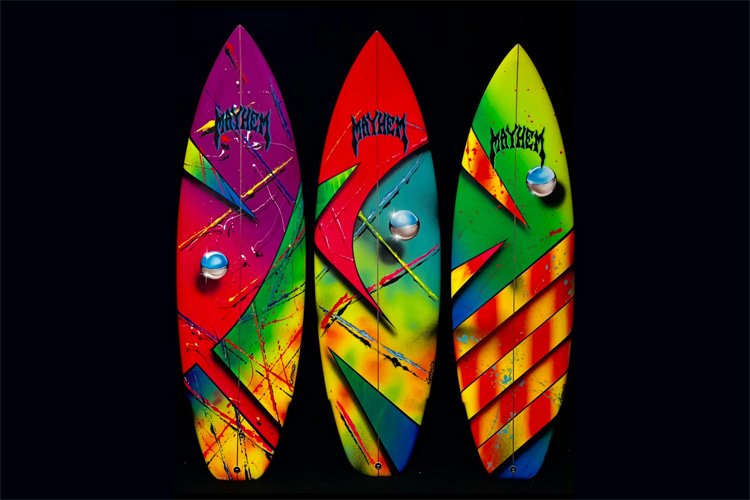
The crux of the legal dispute revolves around the term "Mayhem." For countless surfers, this term is inextricably linked to …Lost Surfboards, a California-based brand established in 1986 by Matt Biolos. The brand has utilized the Mayhem name commercially since 1992 and has developed a wide range of products, including surfboards, clothing, and accessories. Biolos stated that the name Mayhem was inspired by his personal nickname, which he crafted after his 1980s band, Mayhem Ordnance.
Simultaneously, the term Mayhem has gained popularity in the music industry with Lady Gaga’s seventh studio album, aptly named Mayhem. Released on March 7, 2025, the album debuted at No. 1 on the Billboard 200 chart. With standout tracks such as "Disease," "Abracadabra," and her Grammy-winning collaboration "Die With a Smile" featuring Bruno Mars, the album has captivated audiences for 39 weeks, coinciding with the launch of her "Mayhem Ball" tour and its related merchandise.
Trademark Infringement Lawsuit: …Lost Surfboards vs. Lady Gaga
The legal trouble began soon after the release of Lady Gaga’s album and merchandise. In March 2025, …Lost Surfboards filed a staggering $100 million lawsuit against Gaga, accusing her of trademark infringement and false designation of origin. The surf brand argued that the designs on Gaga’s merchandise bore a striking resemblance to its established Mayhem logo, potentially causing consumer confusion, especially within the clothing market.
In an effort to halt Gaga’s merchandise sales during the ongoing legal battle, …Lost sought a preliminary injunction that would compel the pop star to cease selling items branded with Mayhem. The company stated that Gaga’s use of the term could mislead consumers into associating her merchandise with their long-established brand, impacting both image and sales. The case was brought before U.S. District Judge Fernando M. Olguin in Los Angeles for consideration.
The Judge’s Ruling
On December 15, 2025, Judge Olguin made a critical ruling in favor of Lady Gaga, allowing her to continue selling the disputed merchandise. His judgment asserted that Gaga’s use of the term "Mayhem" is artistically relevant to her album and tour and does not mislead consumers regarding the origin of the products. By citing the Lanham Act, which governs trademark disputes, Olguin indicated that the law did not apply in this case due to its artistic context.
The judge stated, "Because defendant’s use of the mark is artistically relevant and does not explicitly mislead consumers… [plaintiff] cannot succeed on its claims for trademark infringement and false designation of origin." This ruling was deemed valuable for not only Gaga but also for artists who face similar challenges against established trademarks in their creative expressions.
Business Triumph: Gaga’s Continued Success
With the court’s ruling in her favor, Lady Gaga remains free to sell her Mayhem merchandise, which has been available since the Mayhem Ball tour commenced in July 2025. The tour has already grossed over $100 million in its initial North American segment, marking it as a successful venture for the pop icon. Gaga’s lead attorney, Orin Snyder from Gibson Dunn, characterized the ruling as a "total victory," emphasizing that it reaffirms the importance of artistic freedom.
Snyder remarked, "It reaffirms that trademark law cannot be used to censor expressive works or chill artistic expression." This sentiment resonates strongly within creative industries, pointing toward a balance between artistic freedom and trademark protection.
The Aftermath: Moving Forward for Both Parties
Despite the favorable ruling for Lady Gaga, the legal conflict is not entirely settled. …Lost Surfboards, represented by attorney Keith Bremer, acknowledged the ruling but expressed that they would continue to fight for the Mayhem trademark that has been integral to their brand for nearly four decades. Bremer stated, "While we would have preferred a different outcome at this preliminary stage, we respect the court’s reasoning and look forward to continuing this process."
The surf brand remains committed to its trademark protection efforts, highlighting a need for dialogue that safeguards consumers from confusion while enabling artists to express themselves. As the case progresses, both parties may seek alternative avenues such as discussing settlements or further legal challenges.
Conclusion: A Cultural Intersection of Art and Law
The legal saga between Lady Gaga and …Lost Surfboards serves as a fascinating narrative at the intersection of artistic expression and trademark law. With both sides demonstrating steadfast commitment to their respective legacies, this case prompts broader discussions on how trademarks are navigated in creative industries. As Lady Gaga continues her successful tour and merchandise sales, the outcome of this legal dispute may set important precedents for future cases involving trademark and artistic freedom.
For a deeper dive into the significance of trademark law in creative contexts, check out this comprehensive guide.
This article is based on reporting from www.surfertoday.com.
The original version of the story can be found on their website.
Original Source:
www.surfertoday.com
Image Credit: www.surfertoday.com ·
View image