


The Hidden Risks of Surfing: Understanding Ocean Pollution
Surfing embodies a sense of freedom and connection to nature. For many surfers, the ocean is an elemental playground, a sanctuary where they can escape the complexities of everyday life. However, as surfers paddle into the waves, they often confront a stark reality—one filled with microplastics, invisible toxins, and persistent pollutants. Recent studies reveal alarming insights into how insufficient environmental monitoring can create a false sense of security, particularly for those who occupy the frontlines of this hidden crisis: the surfers themselves.

Surfers: The Frontline Witnesses
Surfers may not realize the extent to which they ingest ocean water. Research indicates that surfers consume about ten times more seawater than swimmers, with high rates of accidental ingestion reported by the CDC. This frequent exposure through ingestion, inhalation, and skin contact creates a concerning profile of biological interaction with the ocean. Surfers significantly come into contact with various pollutants, including fertilizers, industrial chemicals, and per- and polyfluoroalkyl substances (PFAS). As a marine toxicologist explains, "Surfers don’t just touch the ocean; they live in it." This intimate relationship means surfers are uniquely at risk in an increasingly polluted marine environment.
Unmasking the Invisible Tsunami of Toxins
Chemical pollution has reached alarming levels globally, with over 350,000 synthetic chemicals in use—most untested for long-term safety. The report from Deep Science Ventures (DSV) highlights how PFAS, dubbed "forever chemicals," are found in 99% of human blood samples. Shockingly, chemical toxicity could rival smoking in terms of health impact. Surf zones often serve as major entry points for these toxins, with surfers spending considerable time in nearshore waters, making them some of the highest exposure groups. Understanding these risks is vital for both health and advocacy, as surfers serve as critical witnesses to the decaying quality of our waters.
Microplastics: The Ocean’s Silent Menace
Beyond the visible pollution on our beaches, microplastics have emerged as a pervasive threat in our waters. These tiny particles, often less than five millimeters in size, permeate marine ecosystems and have been linked to serious health risks. A recent study correlated elevated microplastic levels with increased disability rates among coastal populations. Microplastics have even been documented crossing the blood-brain barrier, triggering inflammation and metabolic disruptions in human health. As they accumulate in the ocean, surfers are left facing an insidious threat—one that underscores the critical need for immediate action to protect public health.
The Hidden Contaminants of River Surfing
While ocean surfers contend with broad environmental exposure, river surfers encounter even greater challenges. Rivers often accumulate agricultural runoff, pharmaceuticals, and industrial waste, resulting in severely compromised water quality. Surfers riding standing waves in urban rivers may be particularly vulnerable, as they can be repeatedly exposed to concentrated contaminants in stagnant water. Recent studies point to wastewater effluent as a significant source of PFAS, further heightening the health risks for surfers who spend extended amounts of time in these contaminated environments.
The Economic Implications of Water Pollution
The impact of contaminated water extends beyond personal health; it presents economic risks as well. Coastal tourism relies on clean conditions, and closed beaches due to pollution can result in billions in economic losses. The global surf market, valued around $4 billion, is built on the premise of safe, clean waves. Any compromise in water quality undermines this industry, making consistent attention to water safety a critical issue. Moreover, river surf parks contribute to urban renewal but face similar threats from pollution. Thus, clean water should be viewed not only as an environmental necessity but also an economic asset.
Pathways to Prevention: Safeguarding Our Surfing Futures
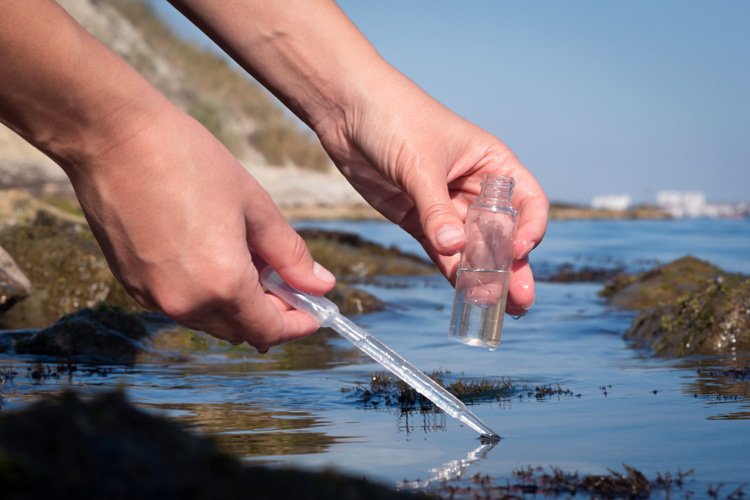
Despite these daunting realities, there is hope. Comprehensive action can be taken to address the crisis of water contamination. First, monitoring efforts in surf zones and river waves should be greatly improved, incorporating real-time testing for pollutants like microplastics and PFAS. Regulatory frameworks must adapt to account for complex chemical mixtures rather than examining one substance at a time. Furthermore, modernizing wastewater treatment facilities can significantly mitigate public health risks by filtering out harmful chemicals. Surf gear manufacturers have an important role to play, too, by promoting biodegradable designs and PFAS-free materials. Lastly, surfers can engage in citizen science initiatives to monitor local water quality, thus bolstering advocacy for environmental reforms.
Ultimately, as surfers continue to navigate the delicate balance of enjoying their passion while facing mounting environmental threats, it’s essential to advocate for change through both policy and community action. Organizations like the United Nations Environment Program (UNEP) are working actively toward showcasing the health and environmental benefits of effective chemicals and waste management, which can pave the way for better policies and investments to reduce pollution risks.
In conclusion, while the ocean remains a beloved playground for surfers, it is critical to recognize and address the growing threats posed by pollution. By staying informed, advocating for policy changes, and participating in community monitoring efforts, surfers can help safeguard not just their own health but also the integrity of our oceans for generations to come.
This article is based on reporting from www.surfertoday.com.
The original version of the story can be found on their website.
Original Source:
www.surfertoday.com
Image Credit: www.surfertoday.com ·
View image