


Unprecedented Weather Disaster in Portugal: A Deep Dive into the Recent Storms
As of late January 2026, Portugal is grappling with its most severe weather-related disaster ever witnessed, attributed to a series of powerful low-pressure systems from the North Atlantic. These storms have unleashed record-breaking winds, reaching a staggering 129.7 miles per hour (208.8 kilometers per hour) in Soure, located in the Coimbra district. This natural catastrophe has wreaked havoc across the nation, leading to major damage and significant disruptions to everyday life. The devastating winds have torn roofs from houses, dismantled industrial facilities, and reduced various urban and rural structures to rubble.

The Full Scale of the Damage
The consequences of this powerful storm have been nothing short of catastrophic. The destructive winds alone have led to the instant decimation of crops and infrastructure. Iconic attractions like the Ferris wheel in Figueira da Foz have been overturned and turned into scenes of chaos. Cars have been flipped off the streets, and even coastal towns have seen beach sand swept into urban areas. Tens of thousands of trees have been uprooted as if they were toothpicks, serving as a grim reminder of the storm’s force. Areas like Leiria have become the epicenters of devastation, resembling post-apocalyptic imagery reminiscent of scenes from popular culture.
In addition to wind damage, heavy rainfall has turned roads into rivers, causing millions of euros in damage to properties and businesses. Many cities have become virtual war zones, completely cut off from utilities such as electricity, gas, and water—over 850,000 residents lost power during Storm Kristin alone. The government declared a state of calamity, highlighting the serious nature of this situation. For the latest updates on this unfolding crisis, check Portugal’s Civil Protection Agency.
Unprecedented Weather Patterns
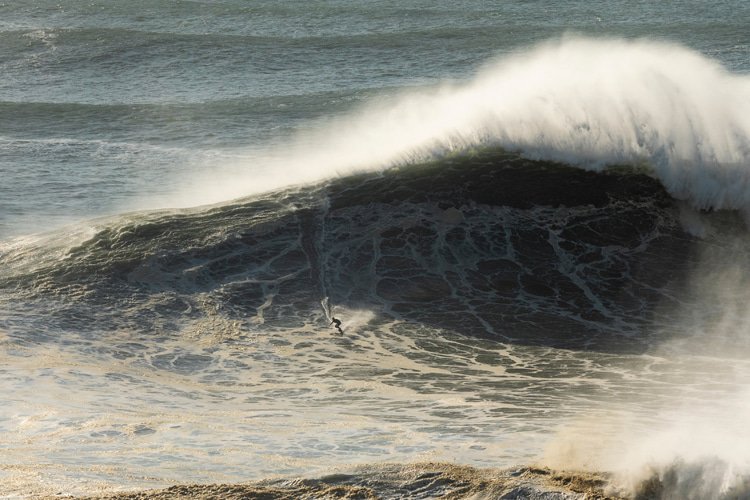
January is traditionally the coldest and rainiest month in Portugal, providing surfers with specific seasonal challenges. However, January 2026 has proven to be unlike any other in recent memory. It’s common to witness Nazaré’s roaring waves, but this year, the surfing community has found itself largely sidelined by relentless storms and dangerous conditions. With dark clouds, gusty winds, and continuous rainfall dominating the month, many surfing enthusiasts have been left longing for a chance to hit the waves. The normally vibrant surf culture has been muted, with participants yearning for the ocean and the connection it brings.
The Internal Struggle of a Surfer
For avid surfers, the urge to return to the ocean is primal. Missing out on surfing during challenging weather conditions often leads to a mental struggle reminiscent of withdrawal. After a prolonged absence from the waves, feelings of anxiety and restlessness can build up, likened to a "surfing hangover." One ends up feeling both physical and emotional distress, which manifests in an overwhelming desire for ocean connection. The cultural concept of "saudade," a Portuguese term that evokes a mix of longing and nostalgia, resonates deeply within this experience. It’s that inner pull of the ocean that reminds surfers of their affinity for the sport, often making them question why they don’t surf more frequently.
Reflecting on the Surfing Experience
The absence of surfing brings about important reflections for many. Questions arise about the necessity of maintaining a balanced lifestyle in relation to surfing. How much time do we legitimately need in the water? Is it possible to be fulfilled without it? The quest for equilibrium leads surfers to re-evaluate their relationships with the ocean. Many find that after a break, surfing is not just a sport but a mental, emotional, and social anchor. The desire to return often brings a renewed appreciation for the experience and strengthens the bond with fellow surfers.
Looking Ahead: Rebuilding and Resilience
Despite the devastation, there is hope for recovery and resilience within the Portuguese community. The rebuilding process will undoubtedly be long and arduous, but it presents an opportunity for collective healing. For those impacted, local support initiatives and disaster response teams will play a crucial role in restoring essential services and infrastructures. As Portugal navigates through these challenging times, the commitment to surf culture will undoubtedly remain strong, reinforcing the importance of community in both joy and hardship.
For more updates and support resources, refer to the National Institute of Statistics and other local initiatives focused on rebuilding efforts.
In summary, Portugal has faced an unprecedented natural disaster that has left an indelible mark on its communities and infrastructure. As the nation comes together to rebuild, the surf community remains poised to reconnect with its beloved waves, serving as a lasting testament to its resilience and spirit.
This article is based on reporting from www.surfertoday.com.
The original version of the story can be found on their website.
Original Source:
www.surfertoday.com
Image Credit: www.surfertoday.com ·
View image