


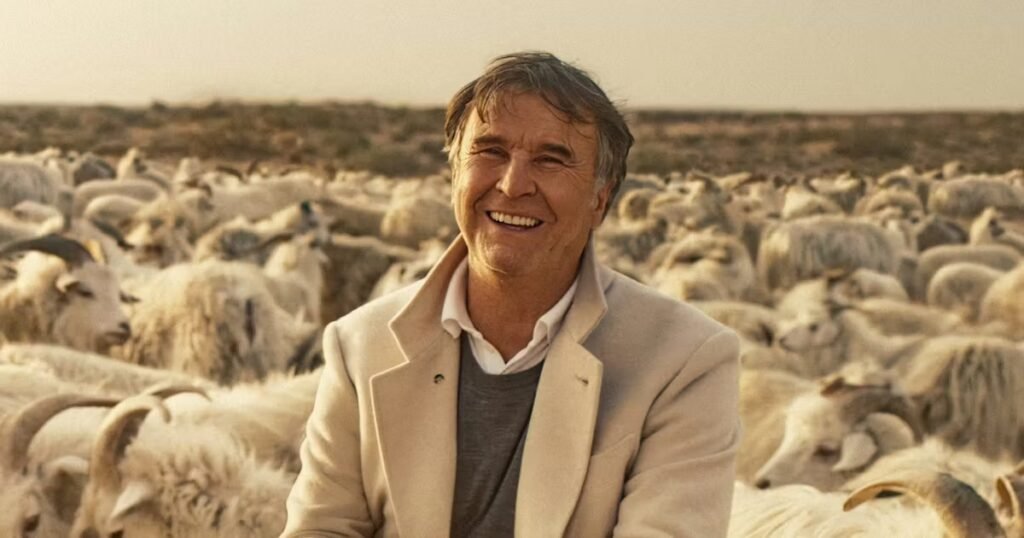

Brunello Cucinelli: The Humanistic Capitalist in Film
Every iconic designer reaches a pivotal moment when their life story is transformed into a cinematic portrait—a polished narrative that captivates audiences. Typically, these portrayals fall into two categories: scripted biopics, like Coco Before Chanel, and observant documentaries, such as Valentino: The Last Emperor. These formats often feature tales enriched with interviews and archival footage. However, Brunello Cucinelli, the renowned king of cashmere, sought something different. Collaborating with Academy Award-winning director Giuseppe Tornatore, known for Cinema Paradiso, Cucinelli created an innovative film titled Brunello: The Gracious Visionary, which interweaves documentary realism with dramatic storytelling.
On April 14, amid the glitz of Lincoln Center, a star-studded audience—including Naomi Watts, Oscar Isaac, and Martha Stewart—gathered for a black-tie gala screening ahead of the film’s U.S. release. Following remarks from Cucinelli, presented in Italian to convey heartfelt authenticity, the audience was transported to Solomeo—a medieval hamlet that serves as both his home and the heart of his fashion empire. This picturesque village in Umbria provides a backdrop that resonates deeply with Cucinelli’s philosophy centered on humanistic capitalism, which emphasizes giving back to the community, restoring cultural heritage, and creating a nurturing workspace for his employees.
The film’s narrative unfolds through a series of intimate interviews with family, friends, and notable clients such as Oprah and Patrick Dempsey. These voices collectively build a rich tapestry that showcases Cucinelli’s beliefs about the "immortality of the soul" and the ethical dimension of work. His model of humanistic capitalism involves providing above-market wages and fostering a welcoming environment, with 20% of profits dedicated to charitable causes. His incredible commitment to his home, Solomeo, includes the establishment of a world-class theater and a grand library, accessible to everyone. More than a mere fashion story, Cucinelli’s life and work are artfully intertwined with his commitment to human dignity and community development.
Brunello Cucinelli’s filmography has its roots in his 2018 philosophical memoir, The Dream of Solomeo: My Life and the Idea of Humanistic Capitalism. In the film, Cucinelli remarks that while stories may live more than once, the cinematic medium allows viewers to feel the emotions behind those narratives. He envisions more than just a recounting of facts; he wishes to display the beauty of Solomeo and the dignity within his familial experiences. From witnessing his father’s labor on the farm to the nurturing of angora rabbits, the film poignantly illustrates the roots of his aesthetics and ethics—crafted in the very soil of his upbringing.
What sets this film apart is Tornatore’s innovative narrative style. Cucinelli is portrayed at various ages by three actors, allowing an exploration of memory that is both selective and idealized. The film evolves past a mere chronology, creating a self-mythologization rich in emotional resonance. Key scenes capture Cucinelli’s teenage cardsharp antics and his romantic pursuits, showcasing his multifaceted personality. Tornatore captures not just the factual timeline but also the feelings inherent in those experiences, confronting the viewer with the reality and imagination that lie intertwined in memory.
After the screening, the festivities continued with a meal featuring Cucinelli’s favorite dish, rigatoni alla pomodoro. Conversations mirrored the film’s deeper insights, particularly Cucinelli’s lasting message: while his legacy will undoubtedly be tied to his cashmere empire, what he hopes will resonate the most is that he was a good man. In a world where goodness can often feel scarce, Cucinelli’s ambition to be remembered as such is both humbling and inspiring.
In conclusion, Brunello: The Gracious Visionary transcends the conventional formats of designer documentaries. Cucinelli’s life story evolves into a profound exploration of humanistic capitalism, emphasizing the importance of dignity, community, and beauty—values that set him apart in the fashion industry and capture the essence of his character. This film acts as a heartfelt reminder of the power of storytelling, offering an inspiring glimpse into the life of a man committed to making a difference.
For more about Brunello Cucinelli’s journey and to catch the film’s release, visit Brunello Cucinelli’s Official Website.
This article is based on reporting from www.wmagazine.com.
The original version of the story can be found on their website.
Original Source:
www.wmagazine.com
Image Credit: www.wmagazine.com ·
View image