


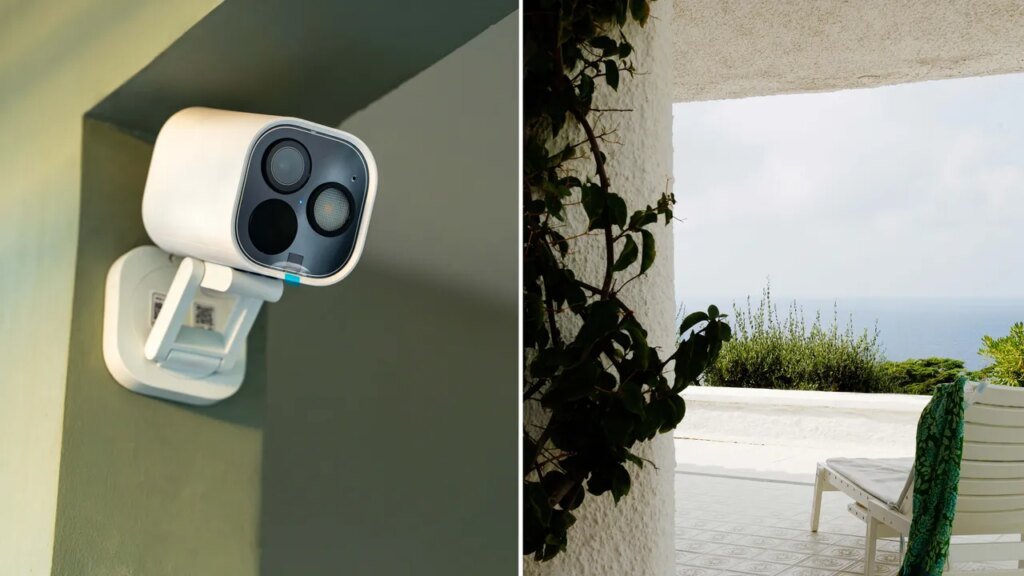

Understanding the Policies Surrounding Surveillance Devices in Vacation Rentals
In the ever-evolving landscape of vacation rentals, understanding the policies regarding surveillance devices is crucial for both hosts and guests. Decibel monitors, smart home devices, and security cameras each come with their own sets of rules across various platforms like Airbnb, Booking.com, and Vrbo. This article provides an in-depth look at these policies so that vacation rental users can navigate their options safely and comfortably.
Decibel Monitors: What You Need to Know
Decibel monitors, which assess sound levels without recording audio, are generally permitted in indoor rental spaces, provided that the area in which they are placed is disclosed to guests. For hosts, there’s no requirement to reveal the exact location of these monitors; simply informing guests that they exist is sufficient. This is particularly important in maintaining transparency while respecting guests’ privacy. Such monitoring can reassure both hosts and guests about noise levels, helping to ensure that everyone’s stay is peaceful.
Smart Home Devices: The Permissible Gadgets
Beyond decibel monitors, various smart home devices like Philips Hue lighting or smart plugs can be found in many vacation rentals. Unlike security cameras or recording devices, these gadgets do not require any disclosure in rental listings. However, some hosts may choose to inform potential guests about their presence and offer the option to disable them during their stay. This practice can enhance guest comfort by providing them with more control over their environment, contributing to a positive rental experience.
The Shift at Booking.com
Booking.com has been a significant player in vacation rentals since it listed its first apartment in 2000. Currently, vacation rentals represent around 8.4 million listings out of over 31 million total properties. As of April 2024, Booking.com has updated its privacy policy to ban cameras from all indoor areas, alongside outdoor spaces where privacy is expected, such as patios and saunas. However, external security cameras are still permitted, so long as hosts disclose their presence to guests. Sage Hunter, the North American communications lead for Booking.com, specifies that any monitoring device capable of recording or transmitting should be thoroughly disclosed in the safety and security section of each listing.
Vrbo’s Stance on Surveillance Devices
Vrbo, a pioneer in online vacation rental bookings, has been ahead of the curve with its stance on surveillance devices. Since at least 2023, the platform has banned indoor cameras entirely from its listings. According to Alison Kwong, the public relations senior manager at Vrbo, any device that captures audio, video, or personal data is prohibited within the home. Nevertheless, smart devices that cannot be remotely activated are allowed, as long as guests are informed of their existence and can choose to deactivate them.
Regulations for External Security Cameras
For external security cameras, Vrbo imposes strict guidelines. Firstly, these devices should only be utilized for security purposes and aimed at access points, such as entrances. They must not provide a view into the home, such as through a window. Furthermore, hosts are required to disclose the exact locations and coverage areas of these cameras on their listing pages, ensuring transparency for potential guests. Simple photos of the devices are insufficient for compliance; detailed descriptions are required to foster trust.
Conclusion: Navigating Privacy and Comfort
Understanding the varying policies related to surveillance devices in vacation rentals is essential for both hosts and guests. Each platform, whether it be Airbnb, Booking.com, or Vrbo, offers different rules that can significantly impact the rental experience. By staying informed about these policies—ranging from the use of decibel monitors to the restrictions on indoor cameras—users can ensure a more pleasant stay while maintaining the essential balance between security and privacy. As the market evolves, transparency will continue to be key in fostering positive experiences for all parties involved.
This article is based on reporting from www.cntraveler.com.
The original version of the story can be found on their website.
Original Source:
www.cntraveler.com
Image Credit: www.cntraveler.com ·
View image