


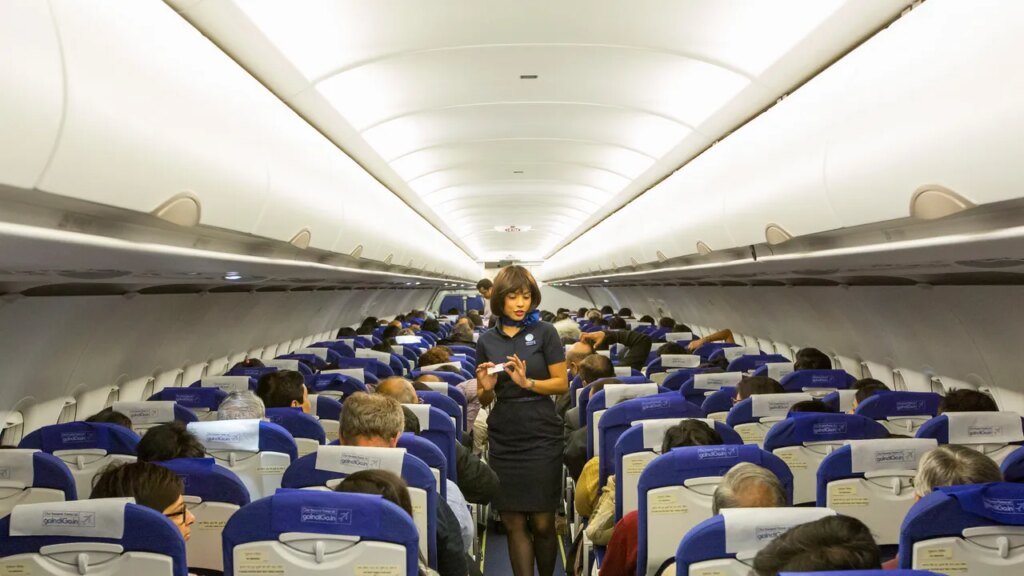

Understanding the Brace Position: What Flight Attendants Actually Do for Your Safety
Every airline passenger is familiar with the essential safety briefings provided by flight attendants before takeoff. While most of us focus on the instructions regarding seatbelts and emergency exits, observant travelers often notice the way cabin crew members position themselves during critical phases of the flight. Have you spotted flight attendants sitting on their hands during takeoff and landing? If you’re a nervous flyer or simply intrigued, you may wonder why they adopt this unusual posture. Let’s delve into the reasons behind this gesture and what it signifies for passenger safety.
The Brace Position Explained
The peculiar way flight attendants sit—often described as being in a "brace position"—is not merely a nervous quirk but a critical safety protocol designed to enhance their protection during emergency situations. Lia Ocampo, a former flight attendant and author of Life, Love, and Lessons in the Sky, explains that the brace position helps alleviate potential impacts from sudden jolts or accidents. This position varies depending on the seating arrangement and restraint systems installed in the aircraft, underscoring that it is a standardized practice across airlines.
To assume the brace position, flight attendants strategically position their arms and head, often by sitting on their hands. This posture helps secure their arms to their bodies, minimizing the risk of injury. “During takeoff and landing—the most critical phases of flight—you will see cabin crew members adopting this position to fulfill their safety responsibilities,” says Ocampo. This practice reassures passengers that the crew is prepared for any eventuality, contributing to the overall safety environment on board.
Safety Protocol in Action
While remaining seated on their hands, flight attendants engage in a mental checklist of safety procedures they must consider in case of an emergency. This silent review includes several critical tasks: identifying emergency exits, evaluating which passengers may assist in an emergency, rehearsing emergency commands, and ensuring the location of evacuation equipment is top of mind. By performing these tasks, flight attendants not only safeguard their own well-being but also maintain a heightened state of readiness to assist passengers.
This proactive approach aligns with the best practices in aviation safety. Passengers can take a cue from the cabin crew’s meticulousness. While discretionary, being aware of your surroundings and the safety equipment available is essential. If ever in doubt, consulting the safety card located in the seatback pocket can arm you with crucial information.
The Role of Passengers in Safety
Though passengers are not required to sit on their hands like flight attendants, there are instances when adopting a "brace position" may be necessary during turbulent phases of a flight. The safety card offers valuable guidance on the correct positions to assume. “In a planned emergency, flight attendants will provide guidance on how to brace for impact,” Ocampo says. However, during an unplanned emergency, time might be of the essence, and immediate action could take precedence.
It’s essential for travelers to familiarize themselves with safety protocols every time they board a flight. Ignoring this vital information can lead to panic in unforeseen circumstances. By taking a moment to read the safety card and listen attentively to the crew’s briefing, passengers can significantly enhance their preparedness for emergencies.
The Importance of Safety Briefings
Safety briefings should never be taken lightly, especially by frequent travelers. Each flight may involve different aircraft types or changes in cabin class, potentially affecting how safety protocols are implemented. "Traveling today comes with its challenges," Ocampo remarks. "But with the right mindset and preparation, we can navigate these obstacles, making our journeys safer and more enjoyable."
Listening intently to safety briefings becomes part of the shared responsibility between passengers and the airline crew. A calm and prepared mindset can significantly impact a flyer’s travel experience, especially in unexpected situations.
A Culture of Safety in Aviation
Flight attendants undergo rigorous training to handle emergency situations effectively, making them well-equipped to ensure passenger safety during flights. Their actions during takeoff and landing are pivotal to maintaining order and safety in the cabin. Observing how cabin crew behave can provide passengers with unspoken cues and reassurance.
In summary, when you spot flight attendants sitting on their hands during takeoff and landing, remember that this is part of a well-established safety protocol aimed at safeguarding everyone onboard. Passengers don’t need to mimic this action, but they should familiarize themselves with safety measures to contribute to a comprehensive safety culture in aviation. For more insights on flight safety, you can learn more here.
By embracing these best practices, travelers can enhance both their safety and comfort, ensuring a positive flying experience regardless of the challenges that may arise. Whether stepping into the skies for business or leisure, understanding these protocols can turn nervous fliers into informed and responsible passengers.
This article is based on reporting from www.cntraveler.com.
The original version of the story can be found on their website.
Original Source:
www.cntraveler.com
Image Credit: www.cntraveler.com ·
View image