


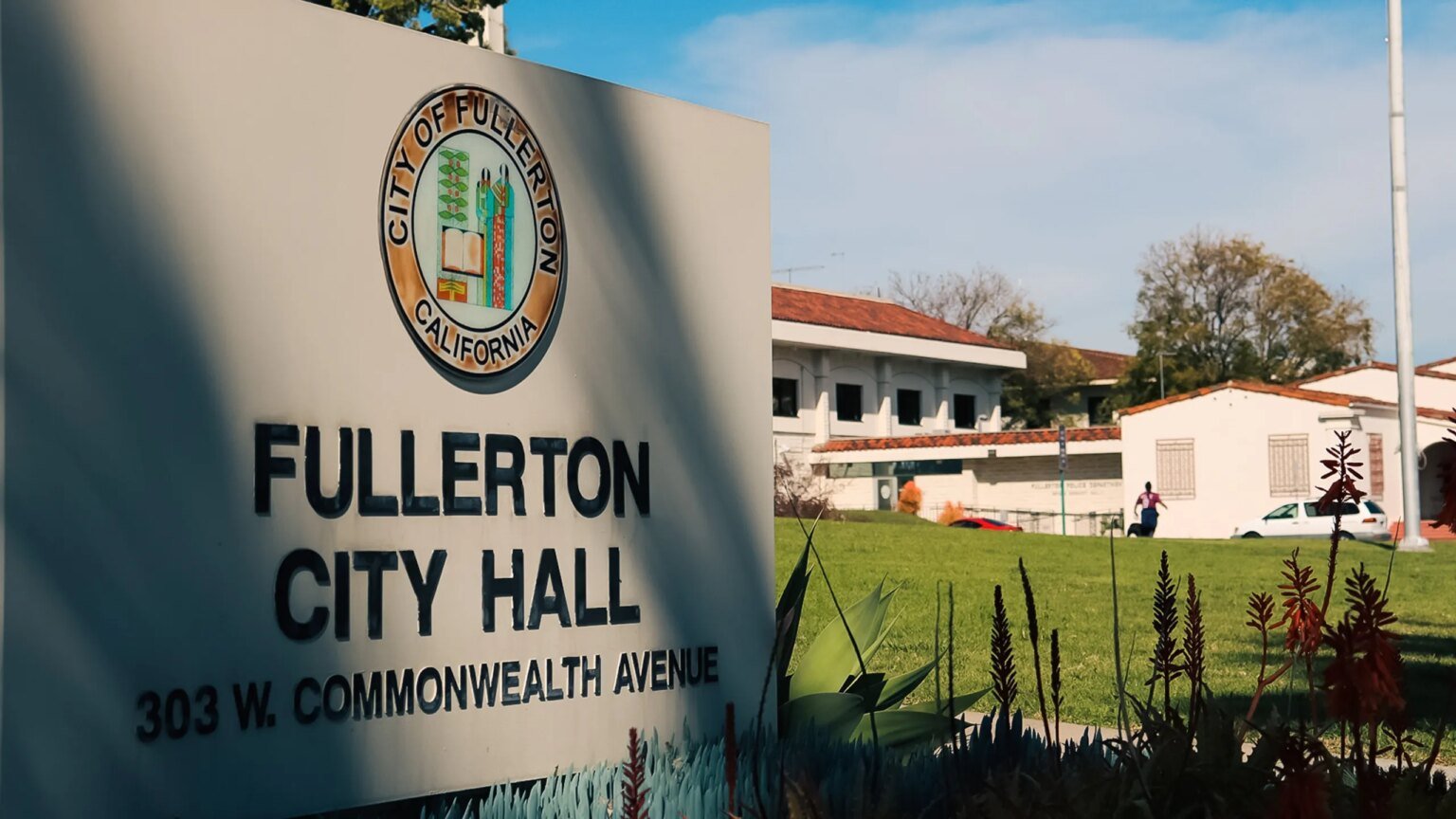

Tackling Illegal Cannabis Shops in Fullerton: A New Approach
Fullerton city officials are grappling with a pressing financial crisis amidst a landscape of unregulated and illegal cannabis shops. In a recent unanimous decision, the city council voted to revamp existing cannabis regulations and significantly increase penalties for violations. This initiative reflects a dual focus on curbing illegal cannabis operations and addressing the city’s projected $13.7 million budget shortfall.
Under the newly revised ordinance, violations of cannabis laws will be treated as misdemeanors, carrying hefty fines of up to $1,000, with a staggering $10,000 daily maximum for continued infractions. Offenders could also face up to six months in county jail. Fullerton Police Chief Jon Radus emphasized that a rigorous enforcement strategy, bolstered by criminal penalties, will serve as a crucial deterrent for repeat offenders. This toughened stance aligns with California Assembly Bill 1684, which permits local authorities to classify illegal cannabis activities as a public nuisance, ensuring immediate penalties for violators.
One of the primary motivations behind these changes is to address prevalent health and safety concerns linked to illegal cannabis operations, including increased risk of crime, such as theft, armed robbery, and trespassing. Chief Radus articulated that the existing enforcement process was often ineffective, allowing illegal dispensaries to resume operations swiftly after being shut down. The updated ordinance aims to streamline the enforcement process, thus enhancing the city’s ability to eliminate these illicit businesses.
Currently, Fullerton, like many cities in Orange County, has stringent regulations against cannabis sales, with only six cities allowing licensed operations. While some residents support strict enforcement, others argue for a more balanced approach. Resident Elijah Manassero highlighted the potential economic benefits of legal cannabis shops, noting the untapped tax revenue that could support the city’s finances. He pointed out that Fullerton, a college town, has a high demand for cannabis, suggesting that legalizing and regulating sales could provide a safer environment for consumers while boosting city revenues.
Councilman Amhad Zahra echoed these sentiments, advocating for a framework that would transition consumers from illicit markets to regulated outlets. He recognized that allowing licensed cannabis shops could generate vital revenue that the city could reinvest to benefit the community. This perspective highlights a growing discourse around the balance between regulation and the potential economic upsides of a legal cannabis market.
Fullerton’s cannabis policy history is marked by oscillation. Since 2017, cannabis distribution has been predominantly banned, though an attempt to allow regulated dispensaries occurred in late 2020. However, public concerns over youth access and proximity to schools led to the repeal of that ordinance in early 2021. Following these developments, the city initiated a pilot program aimed at identifying and shutting down illegal shops, underscoring the challenge of regulating cannabis in a city with evolving public sentiment and legal frameworks.
As Fullerton navigates its way through fiscal difficulties, city leaders must strategically consider how their cannabis policies can contribute to both community safety and financial stability. The latest crackdown on illegal cannabis shops illustrates a commitment to enforcement, but ongoing discussions about legalization and regulation may reveal opportunities for a more sustainable and economically beneficial approach. As the city moves forward, the conversation around cannabis regulations will likely remain contentious but crucial for the path ahead.
This article is based on reporting from voiceofoc.org.
The original version of the story can be found on their website.
Original Source:
voiceofoc.org
Image Credit: voiceofoc.org ·
View image