


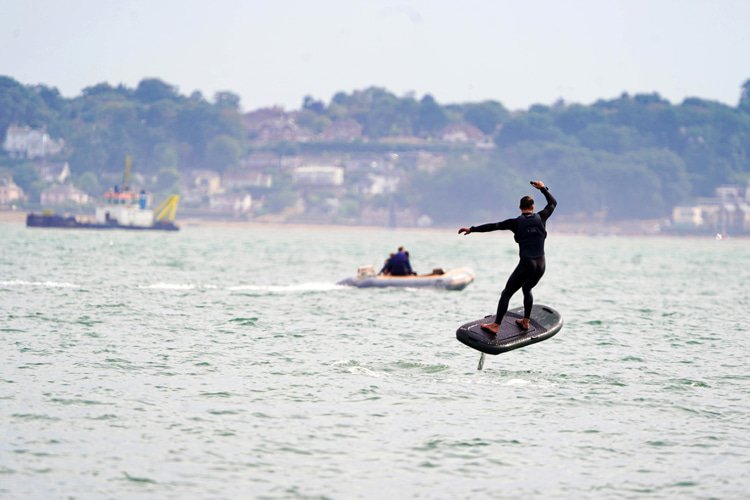

The E-Foiler vs. Surfer Debate: Understanding Surf Etiquette and Safety
A recent incident featuring an electric hydrofoil rider (e-foiler) and a shortboard surfer has sparked a heated debate in the surfing community about wave priority and right-of-way standards. As modern surfing evolves with innovations like e-foils, traditional surfing principles are being challenged, leading to questions about safety and etiquette.
Surfing’s Unwritten Priority Rules
In surfing, the unwritten rules are clear: the surfer closest to the peak—the part of the wave that begins to break—holds priority. This principle helps prevent collisions when multiple surfers paddle for the same wave. In the tension-filled moment captured in the viral video, the e-foiler glides along the softer shoulder of the wave while the shortboarder takes off closer to the peak. By typical etiquette, the shortboarder holds the priority, having positioned himself where the wave is steeper and beginning to break. Learn more about surf etiquette here.
The Game-Changer: Electric Hydrofoils
Electric hydrofoils introduce a new dynamic into the surfing world. Powered by batteries, these boards lift above the water, allowing riders to catch waves long before they break and to maintain speed across flatter sections. This increase in capability presents challenges for traditional surfers who may feel marginalized or endangered. Surf legends like Kelly Slater have voiced concerns regarding the presence of powered craft in surf zones, highlighting issues around both fairness and safety as the lines blur between different types of surfing. Read Kelly Slater’s take on e-foils.
The Safety Concerns
The technological advancements of electric surfboards also bring increased risks. Unlike traditional surfboards, e-foils have rigid masts and sharp wings that could cause serious injuries in the event of a collision. This concern is exacerbated by the fact that e-foils can operate faster and more unpredictably than traditional surfboards. In any sporting scenario, the participant with greater speed is expected to exercise more caution—this same principle should apply in the ocean. Explore surfing safety tips to stay protected.
Addressing the "First on Wave" Argument
The e-foiler’s claim to priority based solely on having been on the wave longer poses problems for traditional surfing culture. If time alone determined wave ownership, surfers using other advanced techniques, like Stand-Up Paddleboarding (SUP) or tow surfing, would also dominate. The core of surfing relies on spatial relationships and prioritizing those closest to the wave’s peak, allowing for shared opportunities rather than monopolization of waves. The result is a culture designed to foster collaboration, not competition. Dive deeper into the concept of surf monopolization.
The Evolving Landscape of Surfing Rules
With no singular governing body in surfing, the current situation prompted calls for regulations that would dictate how e-foilers interact with traditional surfers. Many now view e-foils as akin to personal watercraft (PWC), urging them to yield the right-of-way to surfers using conventional methods. This evolving dialogue is vital for the future of surfing, where designated zones may help reduce conflicts while maintaining a balance between innovation and tradition. See how surf zones are being established.
Conclusion: A Path Forward for Surfing Safety
In summary, the principle of wave priority goes to the surfer closest to the peak. The introduction of electric hydrofoils changes the dynamics in crowded lineups, where fairness must always prioritize the safety of less-powered surfers. Establishing separate surfing zones and treating e-foils like motorized watercraft could prove effective in minimizing conflicts. As the surfing community grapples with these challenges, it’s essential to maintain an environment that fosters safety, fairness, and respect for all in the water. Join the discussion on surfing’s future.
By addressing these critical issues now, the surfing community can ensure that the ocean remains a shared space for all, regardless of the advancements in technology. The key lies in balancing safety with innovation to create a harmonious surfing environment moving forward.
This article is based on reporting from www.surfertoday.com.
The original version of the story can be found on their website.
Original Source:
www.surfertoday.com
Image Credit: www.surfertoday.com ·
View image