


The Evolution of "Cowabunga": A Surfing Catchphrase with Cultural Roots
Surf culture is a vibrant tapestry of terms and expressions that convey the thrill of riding waves, and few words encapsulate this spirit better than "cowabunga." With its playful sound and exuberant feel, it’s no wonder "cowabunga!" has become synonymous with surfing. But what many may not know is that this joyful exclamation has origins that stretch far beyond the beach, beginning in a 1940s television studio.

Nonsense Word Originated on TV
The term "cowabunga" first emerged in the American children’s TV show "The Howdy Doody Show," which aired from 1947 to 1956. The show’s head writer, Edward Kean, created the word for a character named Chief Thunderthud around 1949, mimicking a desire for a unique, engaging greeting. Originally spelled "kowabonga," this nonsense word would serve various purposes on the show—expressing surprise, greeting, or even mild frustration. As it resonated with young viewers, the word quickly entered the vocabulary of American children, first appearing in printed material by 1954, including comic book adaptations and parodies in Mad Magazine.
For more about the origins of children’s television, explore this history of American kids’ programming.
"Cowabunga" Hits the Surf Scene
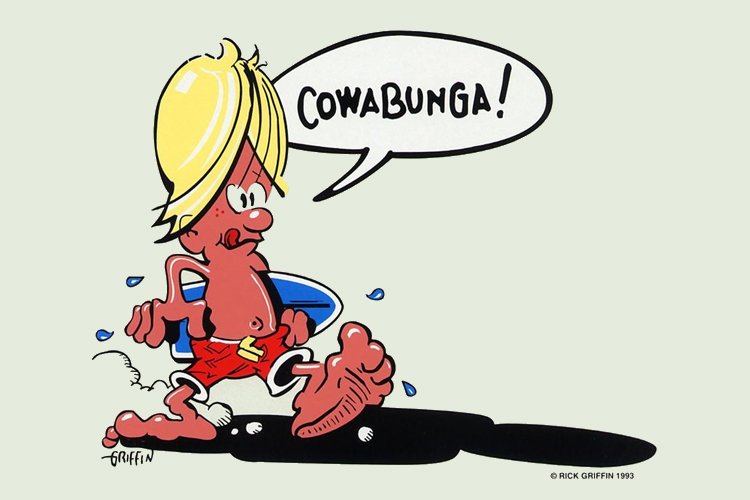
Once "The Howdy Doody Show" wrapped up, "cowabunga" took a westward journey, weaving its way into Californian surf culture by the early 1960s. The term was popularized by surfer cartoonist Rick Griffin, who featured the character Murphy in Surfer magazine, transforming the word’s meaning from a mild exclamation to one embodying pure exhilaration. Surfers from this era, many of whom grew up watching Kean’s creation, latched onto "cowabunga" as they experienced the thrill of dropping into waves. The adoption of the Hawaiian word "kupaianaha," meaning wonderful, presents a lingering influence, though the link remains speculative.
To delve into more surf terms, check out this guide to surf slang.
From Beaches to Pop Culture
As surf culture evolved, so did "cowabunga." In 1965, the term appeared in Charles M. Schulz’s Peanuts comic strip, illustrating its growing association with surfing. The 1970s saw further exposure with Cookie Monster from Sesame Street exuberantly shouting "Cowabunga!" During this time, baseball pitcher Jim Bouton referenced it in his memoir, while Vietnam veterans reported sporadic use of the catchphrase amidst military banter, showcasing its penetration into various cultural landscapes.
For fun and childhood memories, revisit the classic Peanuts comic strips here.
Reviving the Phrase in the 1980s
The phrase saw a revival in the late 1980s through iconic animated characters like Michelangelo from Teenage Mutant Ninja Turtles, who made "Cowabunga, dude!" his signature catchphrase. This resurfacing was impactful, as children across the nation would echo this expression daily. Around the same time, Bart Simpson from The Simpsons also adopted the term, solidifying its status in popular culture. The immense popularity of these shows catapulted "cowabunga" back into the cultural lexicon, marking a generational rediscovery.
To explore more about Michelangelo’s catchphrases, visit Teenage Mutant Ninja Turtles’ best quotes.
A Resilient Expression
Today, "cowabunga" is recognized in contemporary dictionaries as an interjection that conveys excitement or amazement. The word has diversified into various media, including films, merchandise, and even theme park attractions. Its enduring allure is evidenced by its inclusion in Disney’s Lilo & Stitch, though its strongest connection remains in surf culture. What began as a whimsical creation for a children’s puppet show has, surprisingly, transformed into an icon of thrill-seeking and adventure, celebrated in both surfing communities and mainstream entertainment.
For insights into the world of surfing, head over to SurferToday.
Conclusion
From its whimsical beginnings on "The Howdy Doody Show" to its place as a beloved exclamation among surfers, "cowabunga" encapsulates an adventurous spirit that resonates across generations. Its journey through pop culture illustrates how a simple, playful word can transcend its origins, becoming a universal expression of excitement tied to the joy of riding waves. Today, it stands as a testament to the creative energy fueling both surfing culture and the broader cultural landscape. The story of "cowabunga" serves as a reminder of the richness of language and how even the most playful expressions can carve their niche across time and space.
For more on surfing history and culture, check out Surfing Architecture.
This article is based on reporting from www.surfertoday.com.
The original version of the story can be found on their website.
Original Source:
www.surfertoday.com
Image Credit: www.surfertoday.com ·
View image