



Understanding Retinol Alternatives: A Gentle Path to Radiant Skin
Retinol has long been hailed as the pinnacle of skincare, renowned for its transformative effects in treating uneven texture, aging signs, and blemishes. However, the common side effects that accompany its use—dryness, irritation, and peeling—make it less appealing for many. Fortunately, dermatologists offer numerous alternatives that provide similar benefits without the harsh side effects. In this article, we delve into the most popular retinol alternatives, their benefits, and how to incorporate them into your skincare routine for optimal results.
1. Bakuchiol: The Gentle Powerhouse
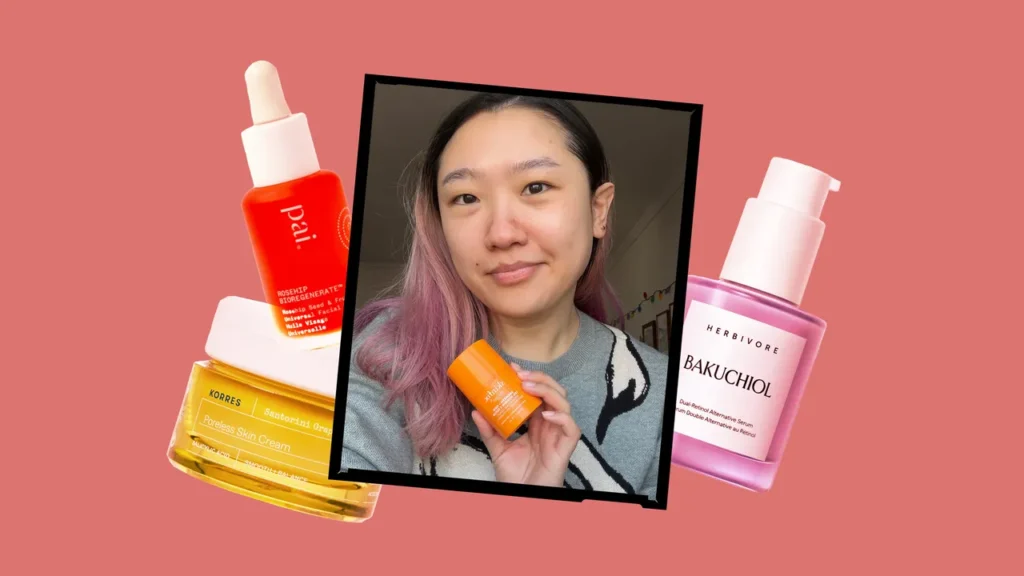
Bakuchiol is a plant-based ingredient that dermatologists like Dr. Carlos Vieira recommend for those seeking retinol-like effects with fewer side effects. Studies indicate that Bakuchiol may promote collagen production and improve the appearance of fine lines similarly to retinoids, yet it tends to be more tolerable for various skin types. With ongoing research supporting its efficacy, Bakuchiol is emerging as a safe and effective option for those who want to combat aging without the irritation associated with traditional retinol. To learn more about Bakuchiol and its benefits, you can explore further at Healthline.
2. Niacinamide and Peptides: Allies in Smooth Skin
Niacinamide and peptides are two additional alternatives to consider. While they may not replicate all of retinol’s effects, they significantly help address concerns like uneven skin tone, blemishes, and rough texture. Niacinamide, known for its skin-soothing properties, also aids in regulating oil production and enhancing skin barrier function. On the other hand, peptides support skin elasticity and repair. These ingredients can be suitable for all skin types, making them excellent substitutes in a comprehensive skincare routine. For deeper insights on peptides, visit Dermstore.
3. Azelaic Acid: A Multifunctional Gem
Azelaic acid is another versatile alternative praised for its ability to treat acne, rosacea, and signs of aging. This ingredient can help reduce redness, lighten hyperpigmentation, and improve overall skin texture, making it a fantastic all-rounder. According to Dr. Aderonke Obayomi, azelaic acid offers a gentler option for individuals with sensitive skin. With its multifaceted benefits, incorporating azelaic acid into your regimen can enhance your skin’s health without the harshness of retinol.
4. Minimal Side Effects: A Key Advantage
One of the most compelling reasons to explore retinol alternatives is their potential for reduced side effects. According to dermatologists, users of gentler ingredients like Bakuchiol or peptides often experience less peeling and irritation compared to those using traditional retinol. Most alternatives are easier on the skin, allowing for a smoother transition without the frustrating adjustment phase often associated with retinol. This reduced risk of flakiness makes it easier to maintain a consistent skincare regimen.
5. Gradual Integration into Your Routine
When incorporating retinol alternatives into your skincare routine, gradual integration is key. Start by using your chosen product a few times a week and observe how your skin reacts. Over time, you can incrementally increase frequency, allowing your skin to adjust. For those using exfoliating acids like glycolic or lactic acid, it’s advisable to start slowly as well. While milder than retinol, these acids may cause slight flaking initially, but also help in promoting a smoother complexion.
6. The Importance of Expert Guidance
Although these alternatives offer exciting benefits, consulting with a board-certified dermatologist remains crucial for personalized advice. Top professionals, such as Dr. Mona Foad, emphasize the importance of tailoring your skincare regimen to your specific skin type and concerns. Every individual has unique skin needs, which makes expert guidance essential for achieving the best results. Investing time in understanding your skin and the options available to you can make all the difference in finding products that resonate with your skin’s needs.
In conclusion, exploring retinol alternatives is a smart choice for those who wish to achieve healthy, glowing skin without the discomfort caused by traditional retinols. By understanding ingredients like Bakuchiol, niacinamide, and azelaic acid, you can take charge of your skincare journey with confidence.
Boost your health naturally—click here to shop Nature Made vitamins and enjoy 25% off your first order!
Frequently Asked Questions
What are the most popular ingredients considered as retinol alternatives?
Some popular retinol alternatives include Bakuchiol, niacinamide, azelaic acid, and peptides. These ingredients provide various benefits, including reducing fine lines, treating uneven skin tone, and minimizing blemishes with less irritation than retinol.
Will I still experience peeling or purging with retinol alternatives?
Generally, you will experience considerably less peeling and purging compared to traditional retinol. Ingredients like Bakuchiol and peptides are usually more tolerable for the skin, resulting in a gentler experience.
For more insights on how to overhaul your skincare routine with effective, gentle ingredients, consult your dermatologist today for a tailored approach.
This article is based on reporting from Allure.
The original version of the story can be found on their website.
Original Source:
8 Best Retinol Alternatives for Sensitive Skin, According to Dermatologists
Image Credit: www.allure.com ·
View image