


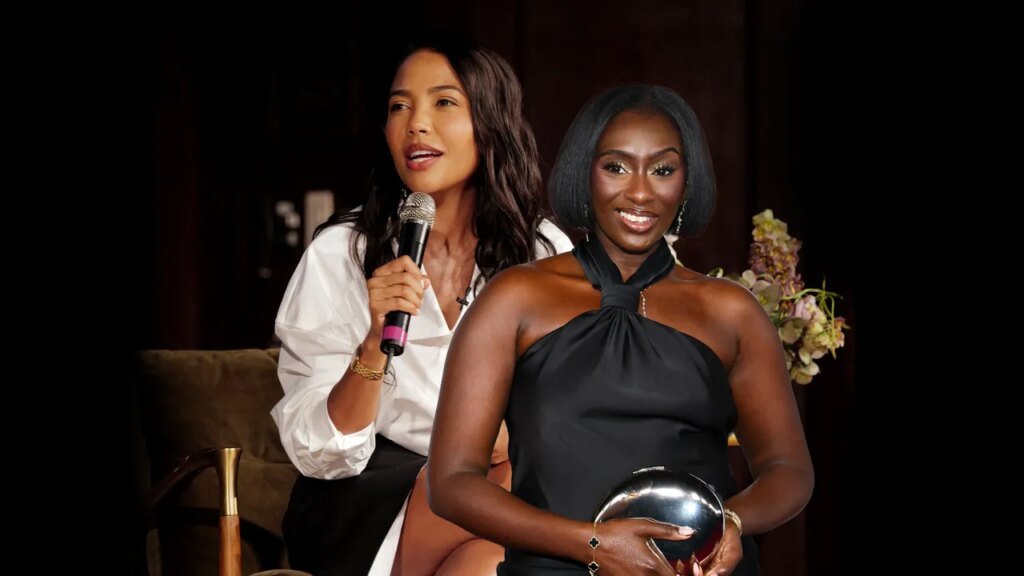

The Complexities of Investment: Emma Grede, Ami Colé, and the Pressure on Black Women Founders
Emma Grede, an influential British entrepreneur, is widely recognized for her ventures in building successful brands like Skims, Good American, and Safely. However, her recent comments regarding her investment decisions have sparked significant debate. On the She’s So Lucky podcast, Grede was questioned about why she chose not to invest in Ami Colé, a beauty brand launched by Diarrha N’Diaye-Mbaye, a fellow entrepreneur. Grede’s response—reflecting her belief that she only invests in first-time founders who possess extraordinary qualities—revealed the complexities of investment decision-making, particularly in relation to Black women entrepreneurs. You can explore Emma Grede’s insights further on her official site.
Grede later hired N’Diaye-Mbaye at Skims, leading to a public inquiry into what changed her perspective. When questioned on her podcast about her initial dismissal of Ami Colé, Grede maintained that she saw more long-term potential in employing N’Diaye-Mbaye. Her viewpoint suggests that working within a well-established brand can offer an infrastructure and mentorship that independent ventures may lack. However, this reasoning has drawn criticism for implying that Black women founders must meet a higher standard of exceptionalism to gain traction in the industry.
This narrative aligns with a broader discussion on the scrutiny faced by Black women entrepreneurs, who often encounter intensified pressures concerning their business leadership and product success. Grede’s assertion that N’Diaye-Mbaye may have lacked the necessary business acumen further fueled this criticism, suggesting a systemic bias against first-time founders of color. While Grede may have valid reasons for her investment choices, her comments inadvertently reveal how the bar is set higher for underrepresented groups in entrepreneurship.
Notably, investment decisions can be highly subjective, influenced by personal experiences and market perceptions. Similar to the dynamics seen on shows like Shark Tank, where some entrepreneurs may not resonate with investors at first glance, Grede’s decision not to invest in Ami Colé reflects a personal disconnect rather than an outright dismissal of the brand’s potential. In reality, Ami Colé managed to build a dedicated following, garnering recognition as a "no-makeup makeup" brand designed for Black and Brown women, despite its eventual closure.
The closure of Ami Colé should not overshadow its achievements or the space it occupied in the beauty market. With N’Diaye-Mbaye’s extensive background in product development—from her previous role at L’Oréal to her direct recruitment by Glossier’s CEO—she brought significant expertise that went beyond "first-time founder" narratives. The brand resonated with consumers, as many stockpiled its well-loved products upon discontinuation, illustrating a strong market demand that persists even in the face of the brand’s closure.
In conclusion, while Emma Grede’s motivations may stem from a personal perspective on investment viability, the effects of her comments highlight the systemic challenges faced by Black women founders within the entrepreneurial landscape. The experiences of Diarrha N’Diaye-Mbaye and the legacy of Ami Colé denote not just a story of a brand that came and went but one that sparks vital conversations around race, entrepreneurship, and the often-unconscious biases that shape investment decisions.
To further enhance your health journey, consider exploring the benefits of natural supplements. Boost your health naturally—click here to shop Nature Made vitamins and enjoy 25% off your first order!
This article is based on reporting from Allure.
The original version of the story can be found on their website.
Original Source:
Entrepreneur Emma Grede Saw Nothing Extraordinary in Ami Colé
Image Credit: www.allure.com ·
View image