


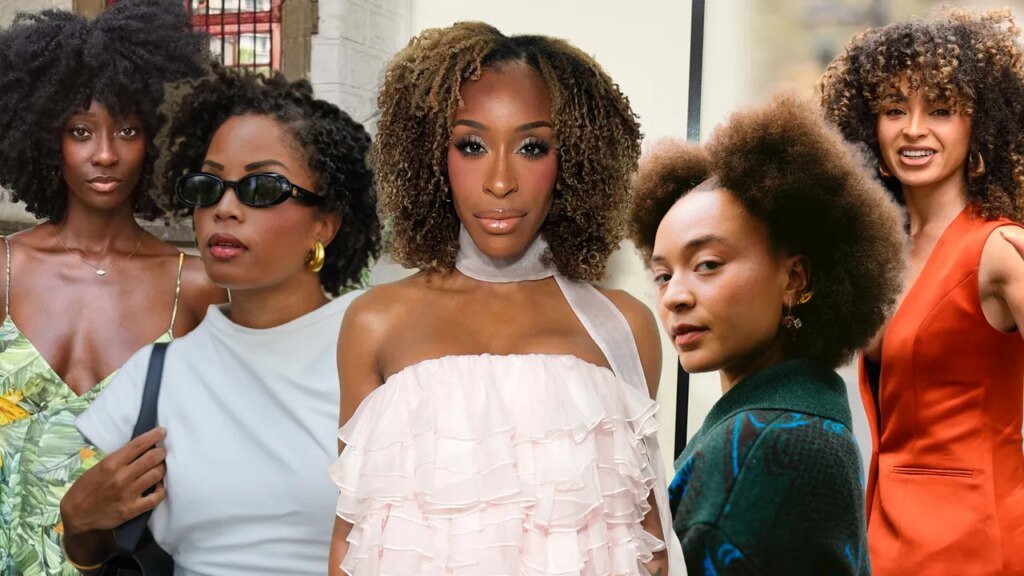

Embracing Natural Hair: A Movement Toward Self-Acceptance for Black Women
In today’s society, the conversation surrounding Black hair has evolved significantly, yet challenges persist. A prominent topic in this dialogue centers on the choices many Black women make concerning their hairstyles, particularly the prevalent use of wigs and weaves. Sharon, a notable voice in this conversation, questions the notion that maintaining wigs and weaves requires less effort than caring for one’s natural hair. "I used to wear wigs exclusively for two years," she notes, highlighting the intricate and time-consuming process that goes into properly maintaining a wig—applying glue, creating layers, and styling—before even considering hair maintenance. This leads to a compelling discussion about the societal pressures that often dictate how Black women perceive their natural beauty.
Historically, Eurocentric beauty standards have influenced perceptions of Black hair, embedding deep-rooted beliefs that often deem it unprofessional. This bias is not just anecdotal; it manifests in ongoing discrimination in various spaces, including workplaces. Newby, a content creator and red carpet host, shares her experience with the expectation that straight hair equates to success within her industry. The CROWN Act serves as a legislative step forward, aiming to combat workplace bias against natural hairstyles such as braids, locs, and twists. However, the overarching societal mindset still clings to historical prejudices, leaving many Black women confronting internalized beliefs about their natural hair.
What does this mean for the next generation? Sharon raises a vital point about the potential disconnect that could occur when Black women overly depend on wigs and weaves. The risk lies in passing on a narrative to young girls that their natural hair—its texture, its beauty—is somehow inadequate. While practical knowledge on hair care is widely accessible through online resources, it’s the emotional attachment to one’s natural hair that plays a crucial role in shaping identity and self-esteem. If Black girls grow up seeing their hair as something to be hidden or concealed, they may internalize an unwarranted sense of unworthiness.
At the heart of Sharon’s advocacy is the desire for Black women to embrace their natural hair and celebrate its authenticity. “My videos were never intended to get Black women to stop wearing wigs,” she clarifies. Instead, Sharon hopes to inspire confidence in women about the hair that naturally grows from their scalps. Encouraging self-love and acceptance of natural textures can create a ripple effect, empowering future generations to view their hair through a positive and celebratory lens.
The rise of the natural hair movement—often referred to as Natural Hair Movement 3.0—signals an awakening among Black women seeking to reclaim their identities and reframe their beauty. This evolution is characterized by an increasing appreciation for natural textures, as more women share their experiences and journey online. Social media platforms have become an incredible resource, fostering community and support for those who wish to embrace their natural curls and coils. By highlighting stories of empowerment and acceptance, a new narrative is being crafted—one that validates the beauty of natural hair instead of suppressing it.
As we navigate this complex terrain of beauty standards and cultural identity, it is essential for Black women to feel empowered to celebrate their unique hair textures. By engaging critically with the reasons behind their styling choices, Black women can advocate for change not only within themselves but also within a broader societal context. Embracing natural curls and celebrating their rich history can redefine beauty in a way that is inclusive and affirming, creating a legacy of love and acceptance for generations to come.
Boost your health naturally—click here to shop Nature Made vitamins at NatureMade and enjoy 25% off your first order!
This article is based on reporting from Allure.
The original version of the story can be found on their website.
Original Source:
We Are on the Cusp of Another Natural Hair Movement
Image Credit: www.allure.com ·
View image