


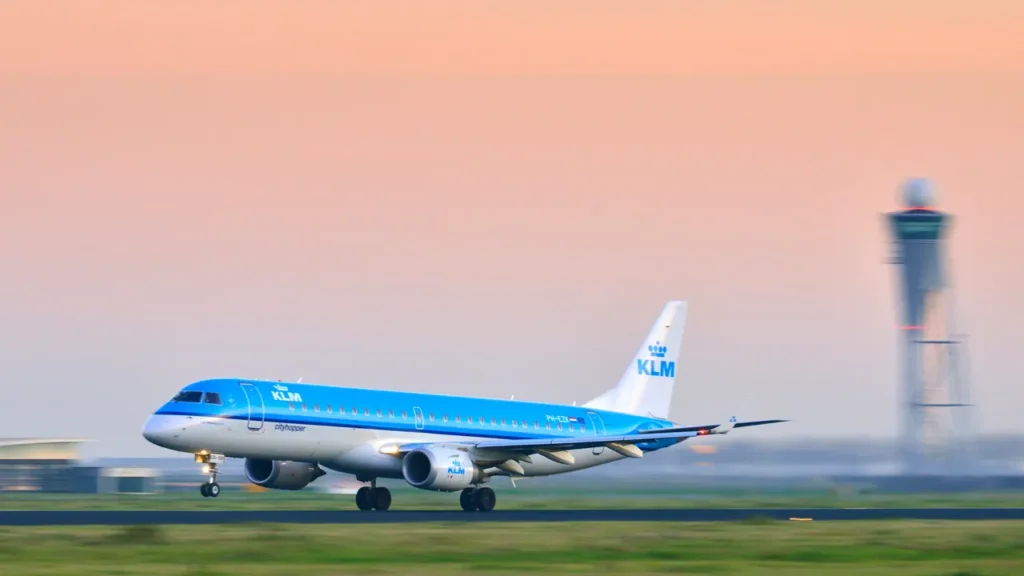

KLM Cancels Flights Amid Rising Jet Fuel Costs
In a significant operational shift, KLM Royal Dutch Airlines has announced the cancellation of over 150 flights in the coming month due to soaring jet fuel prices. This is a strategic decision in response to a global fuel crisis exacerbated by recent geopolitical tensions. While the airline confirms that these cancellations account for less than 1% of its total European flight inventory, the impacted routes predominantly include popular destinations like London and Düsseldorf. For a full list of routes affected, visit KLM’s official website.
Context of Cancellations
On April 16, KLM made a public statement concerning its decision, clarifying that the cancellations arise not from a shortage of kerosene, but from rising operational costs. Hugo Lantain, a press officer for KLM, assured passengers that those impacted would be promptly rebooked onto the next available services. This proactive approach aims to mitigate the inconvenience for travelers amid the turbulence that the airline industry is currently experiencing. Although this move has raised concerns, experts suggest it may be a necessary adjustment as fuel prices continue to spike.
Geopolitical Influences
The sharp increase in jet fuel costs can largely be attributed to the ongoing conflict in Iran, which has led to the temporary closure of the Strait of Hormuz—a vital artery for global oil transport. Recent estimates indicate that European nations have roughly six weeks of jet fuel supply left before facing a more severe crisis. This highlights how external geopolitical factors can significantly influence the airline industry. For more detailed insights, you can refer to the International Energy Agency.
Adjusting to Financial Pressures
Christopher Anderson, a Cornell University specialist in operations and technology management, notes that airlines often streamline their routes in response to such economic pressures. By eliminating less profitable flights, KLM aims to protect the core of its network while maintaining essential long-haul operations. This kind of strategic adjustment is not unique to KLM; other airlines, like Air New Zealand, have also modified their schedules to counteract rising fuel costs.
Industry-Wide Impact
The issue extends beyond KLM, as many airlines globally are assessing their flight schedules under the strains of increased fuel prices. With current conditions, passengers may notice fewer daily flight options and less flexibility in rescheduling. While airlines can raise ticket prices to absorb some of the extra costs, competitive markets restrict their ability to do so entirely. This could spell changes for travelers in terms of routes, pricing, and availability. For more on the broader impacts on air travel, check out SkyScanner.
Conclusion
In summary, KLM’s recent flight cancellations reflect a combination of rising fuel costs and strategic decision-making in the face of global supply concerns. Travelers need to stay informed about these developments as the airline adjusts its services while ensuring that core routes remain operational. As the situation evolves, it’s advisable to check for the latest information on flight schedules and possible disruptions. For ongoing updates, follow comprehensive coverage on Condé Nast Traveler.
The ability of airlines to adapt to volatile conditions is crucial not just for their sustainability but also for maintaining passenger trust during turbulent times. Whether through rebookings, price adjustments, or schedule modifications, the industry’s response will undoubtedly shape the flying experience in the coming months.
This article is based on reporting from www.cntraveler.com.
The original version of the story can be found on their website.
Original Source:
www.cntraveler.com
Image Credit: www.cntraveler.com ·
View image