



The Hidden Crisis: Missing Persons and Clandestine Graves Amidst Guadalajara’s World Cup Preparations
As Guadalajara gears up for the upcoming 2026 FIFA World Cup, an unsettling narrative unfolds beneath the surface of celebration and economic revitalization. The city, famous for its vibrant culture and soccer fervor, is simultaneously grappling with a grave humanitarian crisis. Families searched for their missing loved ones amidst a backdrop of clandestine graves linked to the Jalisco Cartel, underscoring the stark contrast between Mexico’s passion for soccer and the realities of cartel violence.
Clandestine Graves: A Dark Reality
Recent revelations indicate that Guadalajara is not merely a backdrop for world-class soccer but also a site of horror where clandestine graves conceal the remains of victims. Over the past few years, authorities have unearthed hundreds of bodies in makeshift graves, often following the trails of missing persons cases. Between 2018 and early 2023, the state of Jalisco reported finding nearly 1,907 bodies—an alarming statistic that highlights the scale of the crisis. Families searching for loved ones often live in a constant state of grief and desperation, beleaguered by the absence of transparent investigations, leading to the formation of search collectives to tackle these challenges.
The Collective Effort and Awareness Campaigns
In response to this plight, several grassroots organizations and families have come together to form collectives aimed at finding missing persons. Groups like Luz de Esperanza Desaparecidos Jalisco are creatively raising awareness using search cards styled like World Cup soccer stickers. Their aim is to draw attention to the over 16,000 unresolved disappearances reported in Jalisco, and to confront the local government’s perceived neglect of these cases. Flyers with images of the missing dot the historic streets of Guadalajara, capturing the attention of citizens and tourists alike, as families demand visibility for their plight during the vibrant festivities of the World Cup.
Contrasting Realities: Celebration vs. Despair
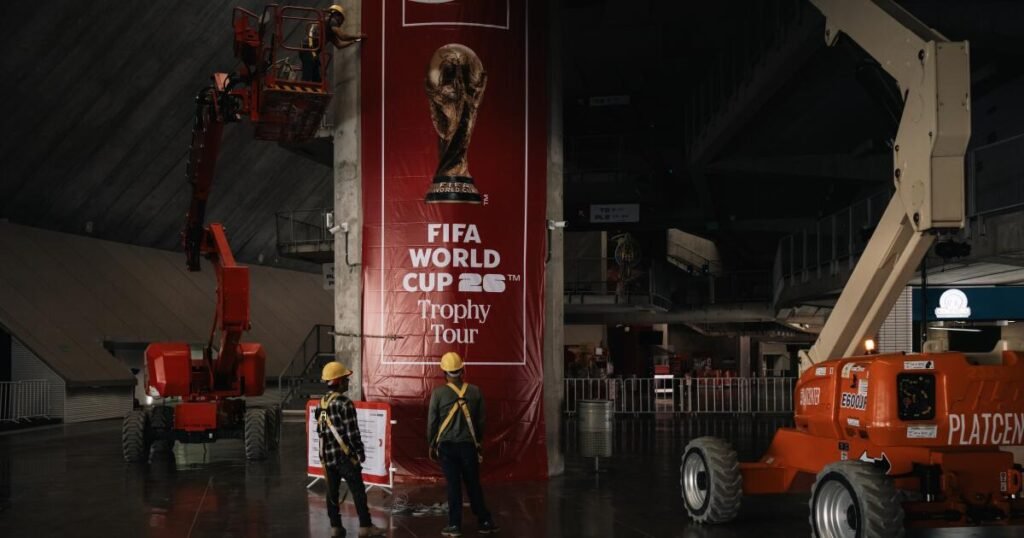
While the construction and renovation projects embark on an extensive beautification phase leading up to the World Cup, the ongoing discovery of clandestine graves starkly contrasts with the jubilant atmosphere anticipated for the games. Far from tourist hotspots, new graves continue to be unearthed near Akron Stadium, where fans will gather to enjoy thrilling matches. Search teams persist on uncovering the truth behind the grim reality of the state—graves filled with the remains of parents, children, and everyday citizens who fell victim to the violence that plagues many regions of Mexico. Critics argue that the government’s focus on presenting a polished image for international visitors has overlooked the urgent need to confront and resolve the crisis of disappearances.
Government Reactions and International Concerns
Amidst tense security concerns prompted by cartel violence, the Mexican government has scrambled to prepare appropriate safety measures for the World Cup. Following the killing of notorious cartel leader Nemesio “El Mencho,” a series of violent retaliatory attacks unfolded, causing public unease regarding security during the event. FIFA’s initial apprehensions about potential venue changes due to violence reflect an international scrutiny on Mexico’s ability to manage its internal security challenges. The Mexican government’s response includes deploying tens of thousands of security officials; however, many worry that these measures may only brush the surface of a much deeper societal issue.
The Toll on Families of the Disappeared
Families of the disappeared feel overshadowed by the impending celebrations, their grief often unnoticed amidst the fanfare. For families like that of Liliana Meza, who seeks her son Carlos Maximiliano Romero Meza, the emotional toll of missing loved ones is profound. The societal resilience displayed by these families reflects an enduring hope, even in the face of overwhelming despair. Many members of these families consider their search missions almost as acts of resistance against the violence that has consumed their communities. The unending quest for closure acts as a grim reminder of the toll that gang violence takes on innocent lives.
Conclusion: A Call for Awareness and Action
As Guadalajara shines on the world stage, the plight of its missing citizens poses a critical question: Can the World Cup celebration occur without confronting the reality of violence that looms over the city? While the eyes of the world focus on the grandeur of soccer, it becomes paramount that international audiences take heed of the disappearances and the ongoing struggles of families fighting for justice. The World Cup can be both a celebration of sport and a platform for highlighting the plight of the disappeared, urging attendees and viewers to unite in solidarity for those still searching for answers. The juxtaposition of pride and mourning encapsulates the dual narrative of Guadalajara—a vibrant city overshadowed by the scars of violence, striving to reclaim its identity amidst ongoing searches for the missing.
This article is based on reporting from www.latimes.com.
The original version of the story can be found on their website.
Original Source:
www.latimes.com
Image Credit: www.latimes.com ·
View image